Why It Matters
Reduced carbon uptake weakens cotton’s climate mitigation potential and threatens farm profitability, prompting urgent action from brands and standards bodies.
Key Takeaways
- •Drought and heat cut cotton soil carbon sequestration rates
- •Soil moisture loss reduces water retention and carbon storage capacity
- •Cover crops, reduced tillage, and compost improve soil carbon capture
- •Accelerated adoption needed to meet cotton sustainability standards
- •Enhanced practices could offset climate impacts on cotton yields
Pulse Analysis
Cotton is one of the world’s most water‑intensive crops, covering roughly 30 million hectares and accounting for about 2 percent of global agricultural carbon sequestration. Historically, healthy soils under cotton have acted as modest carbon sinks, pulling CO₂ from the atmosphere and storing it as organic matter. Recent satellite‑derived soil moisture datasets combined with field measurements now reveal a downward trend in this function across the United States, India, and West Africa. The shift aligns with a decade of hotter summers and more frequent drought episodes, eroding the baseline carbon balance that the sector once relied on.
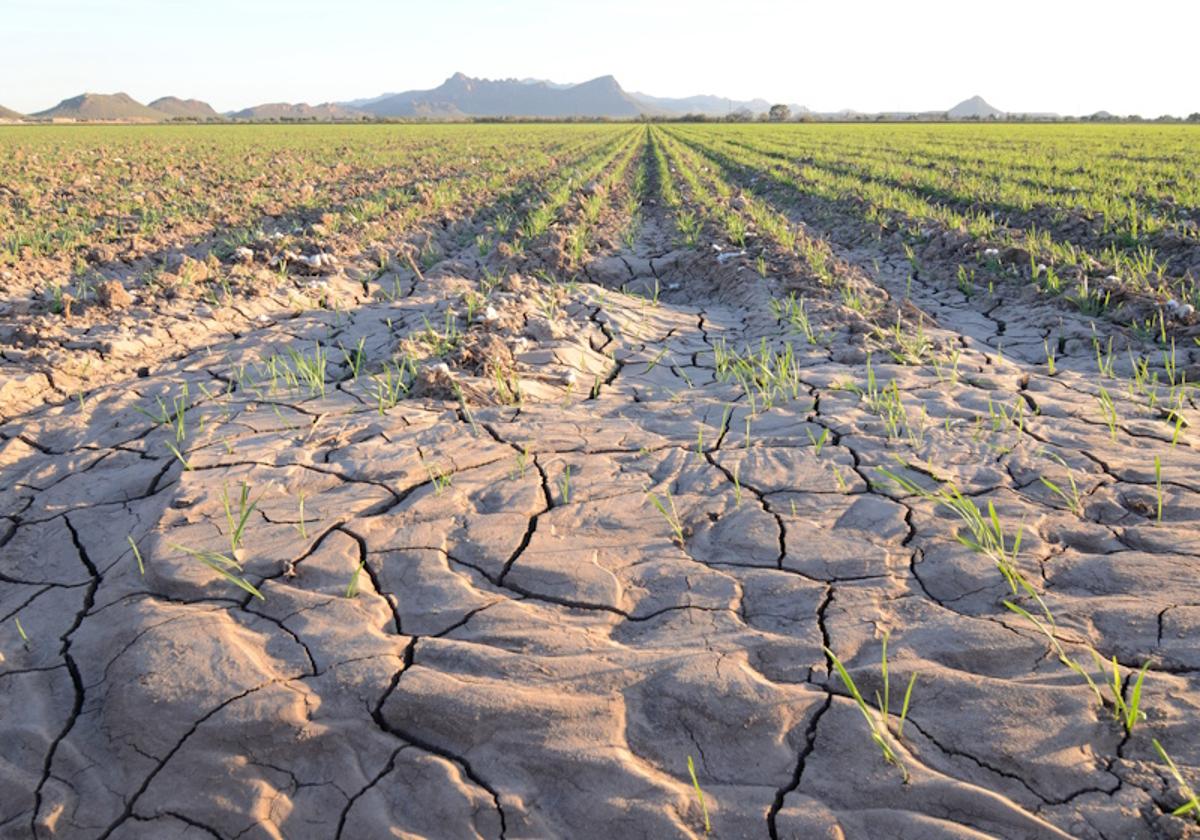
The science points to two linked mechanisms. First, elevated temperatures accelerate organic matter decomposition, releasing stored carbon back into the air. Second, prolonged dry periods reduce soil pore water, limiting the formation of stable aggregates that lock carbon in place. Together, these processes cut the net carbon uptake of cotton soils by an estimated 15‑20 percent in the most affected regions. The loss also translates into lower water‑holding capacity, forcing farmers to increase irrigation or accept reduced yields, thereby raising production costs and water stress.
For brands and certification schemes, the findings represent both a risk and an opportunity. Existing sustainability standards already promote cover crops, reduced tillage, and organic compost, practices that can boost soil organic carbon and improve moisture retention. However, the new data suggest that incremental adoption will not keep pace with climate pressure. Accelerated implementation—such as integrating multi‑species cover rotations, precision‑tillage technologies, and biochar amendments—could restore up to half of the lost carbon sink potential. Investors and retailers that champion these enhanced measures will likely gain a competitive edge as climate‑smart cotton becomes a market differentiator.
Dry soils weaken cotton’s carbon sink
Comments
Want to join the conversation?
Loading comments...