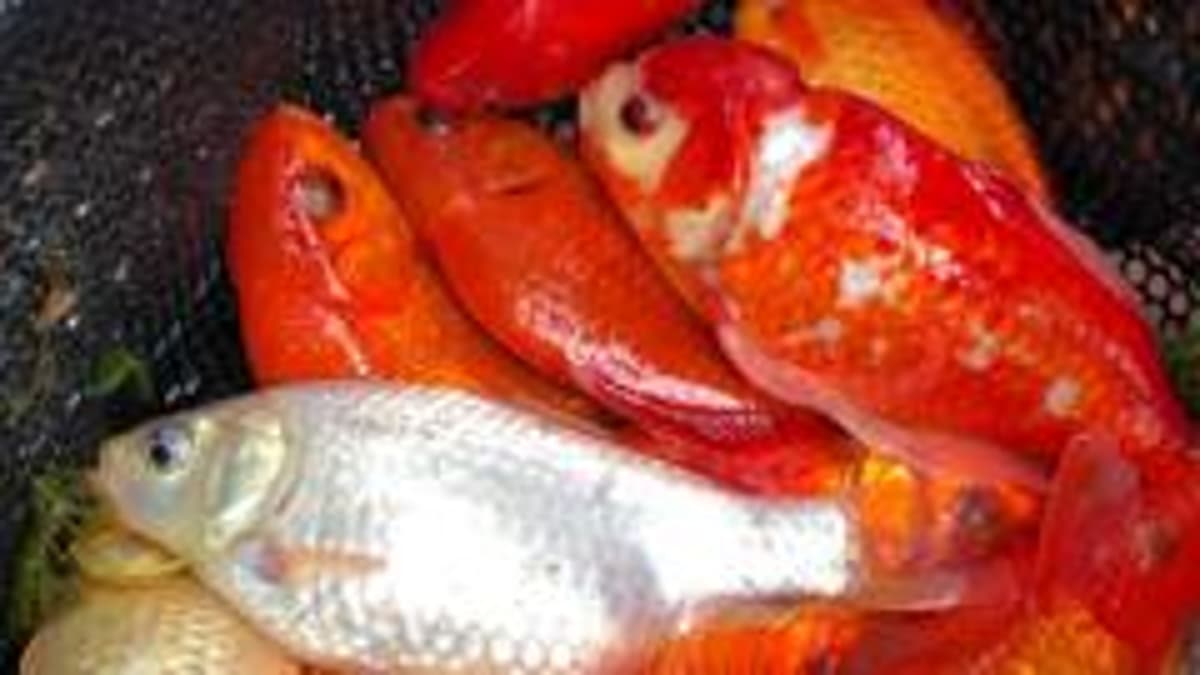
Dumped Goldfish Endangering Native Carp in Lake
Why It Matters
The incident illustrates how careless pet releases can threaten biodiversity and undermine conservation projects, risking irreversible loss of native fish genetics. It underscores the need for stricter enforcement and public education on responsible aquarium pet disposal.
Key Takeaways
- •20 ornamental goldfish released into Halls Pool, threatening crucian carp
- •Agency removed 15 goldfish; four remain unaccounted for
- •Hybridisation risk could eradicate native crucian DNA in the lake
- •Officials urge responsible rehoming of pet fish to prevent ecological damage
- •Successful carp relocation created secondary crucian population nearby
Pulse Analysis
Invasive species are a leading cause of freshwater biodiversity loss worldwide, and ornamental fish such as goldfish (Carassius auratus) rank among the most common culprits. When released into natural water bodies, they can outcompete native species, introduce pathogens, and interbreed with closely related fish, altering genetic integrity. The United Kingdom’s Environment Agency has long warned that even a handful of non‑native specimens can trigger cascading ecological effects, prompting stricter licensing for pond stocking and public campaigns on responsible pet ownership.
The recent goldfish dump at Milton Country Park’s Halls Pool puts this warning into stark relief. Twenty goldfish entered a habitat that the agency has been cultivating as a sanctuary for the protected crucian carp, a species listed under the UK Biodiversity Action Plan. Officials fear viral infections and hybridisation that could erase the crucian’s unique DNA signature. Rapid response teams have already netted fifteen fish, but four remain, highlighting the logistical challenges of eradicating invasive individuals once they disperse in a weedy lake environment.
This episode reinforces the economic and ecological stakes of invasive‑species management. Restoring native populations often requires costly translocations, as seen when several hundred carp were moved to a neighboring lake to preserve a backup crucian colony. Policymakers may consider heavier penalties for illegal releases and increased funding for rapid‑response units. Meanwhile, educators and aquarium retailers can play a pivotal role by promoting re‑homing programs and clear disposal guidelines, turning a preventable nuisance into a managed resource.
Dumped goldfish endangering native carp in lake
Comments
Want to join the conversation?
Loading comments...