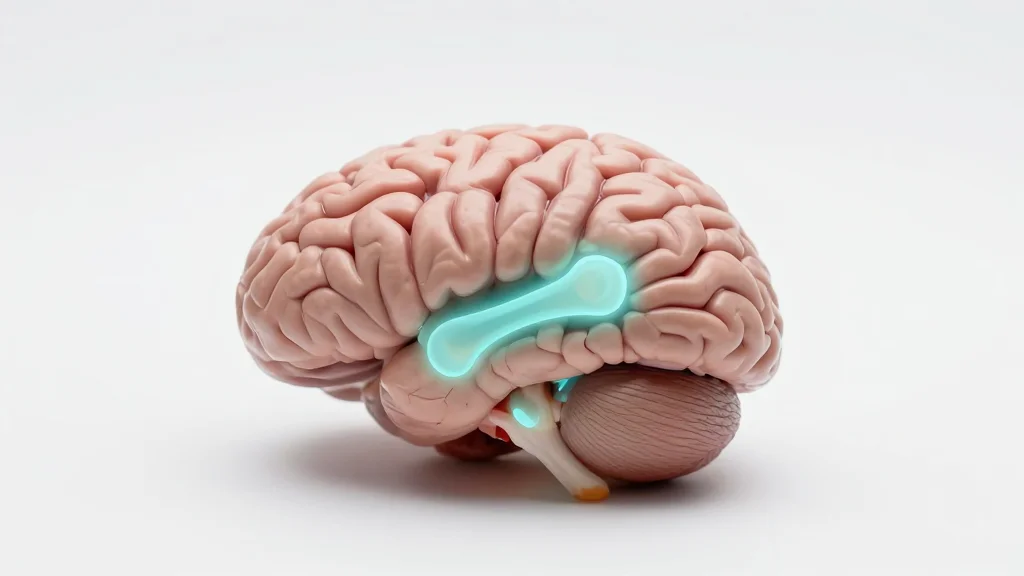
Early Dopamine Disruption in the Entorhinal Cortex of a Knock-In Model of Alzheimer’s Disease
Why It Matters
Targeting early dopamine dysfunction could provide a disease‑modifying strategy to slow cognitive decline in pre‑clinical Alzheimer’s patients.
Key Takeaways
- •APP‑KI mice show early associative memory deficits from 4 months
- •LEC layer 2/3 neurons exhibit hyperactivity and abnormal odor coding in APP‑KI
- •Dopamine release for novel cues is delayed and reduced in APP‑KI
- •Optogenetic stimulation of LEC dopamine restores learning in APP‑KI mice
- •L‑DOPA treatment rescues memory in both APP‑KI and tau‑model mice
Pulse Analysis
Alzheimer’s disease has long been linked to early degeneration of the entorhinal cortex, yet the neurochemical triggers of this vulnerability remain unclear. Recent work highlights the lateral entorhinal cortex (LEC) as a hub where dopamine from the ventral tegmental area and substantia nigra modulates reward‑related memory encoding. By employing a knock‑in mouse model that mirrors the gradual amyloid‑β accumulation seen in humans, researchers were able to isolate the precise moment when dopaminergic signaling falters, offering a fresh perspective on the circuit‑level origins of memory loss.
The investigators combined olfactory associative tasks with high‑density electrophysiology and fiber photometry to map neural activity in the LEC. They found that, despite preserved dopamine fiber density, APP‑KI mice displayed delayed and attenuated dopamine release specifically for novel rewarded odors, while familiar cues remained unaffected. This selective deficit coincided with hyperactive firing of LEC layer 2/3 neurons and a failure to generalize cue‑reward associations, providing a mechanistic link between dopamine dysregulation and impaired memory formation. Importantly, the same pattern was observed in a tau‑based AD model, suggesting a convergent pathway across amyloid and tau pathologies.
Therapeutically, the study demonstrates that restoring dopamine signaling can reverse the memory impairment. Optogenetic stimulation of LEC dopamine terminals during novel cue presentation rescued learning, and systemic administration of L‑DOPA produced comparable benefits in both amyloid and tau models without affecting wild‑type controls. These findings position dopamine‑enhancing agents, already approved for Parkinson’s disease, as promising candidates for early‑stage Alzheimer’s interventions. Future research will need to translate these circuit‑level insights into human studies, potentially using PET imaging of dopaminergic function or clinical trials of low‑dose L‑DOPA in patients with mild cognitive impairment.
Early dopamine disruption in the entorhinal cortex of a knock-in model of Alzheimer’s disease
Comments
Want to join the conversation?
Loading comments...