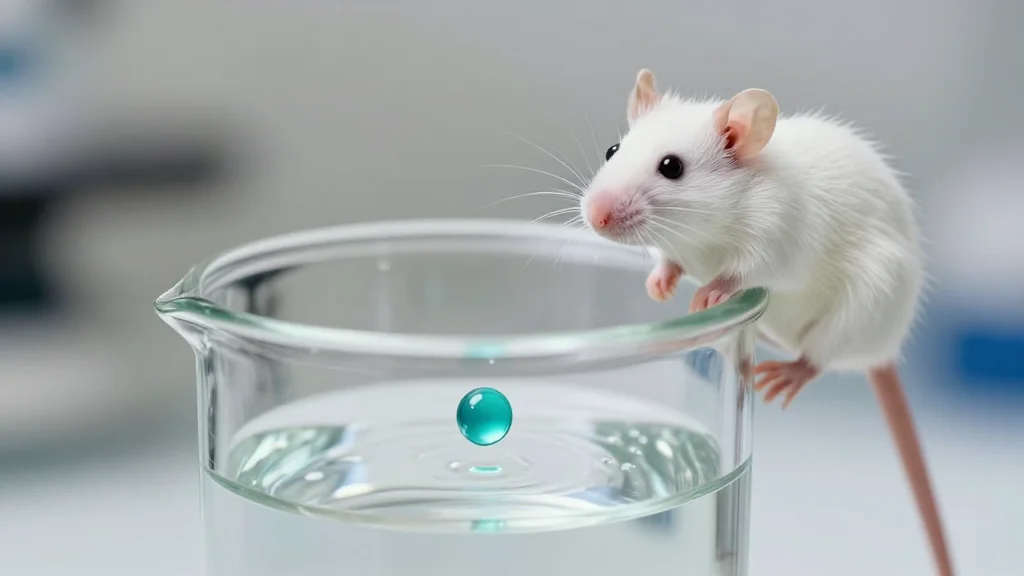
Early Exposure to Forever Chemicals Linked to Altered Brain Genes and Impulsive Behavior in Rats
Why It Matters
The findings suggest that prenatal PFOS exposure can rewire brain circuitry governing impulse control, raising concerns for human health risk assessments as PFOS persists in water and food supplies.
Key Takeaways
- •PFOS exposure altered 62 genes in rat nucleus accumbens
- •34 hippocampal genes and 59 prefrontal genes showed differential expression
- •Exposed rats favored immediate rewards, indicating heightened impulsivity
- •Gene changes linked to extracellular matrix and glutathione metabolism disruptions
Pulse Analysis
Per‑ and polyfluoroalkyl substances (PFAS) have become a global environmental priority because they resist degradation and accumulate in ecosystems and humans. PFOS, a legacy PFAS once used in firefighting foams and stain‑resistant coatings, remains the most frequently detected PFAS in U.S. blood samples despite production bans. Exposure pathways include contaminated drinking water, food, dust, and consumer products, prompting regulators to set advisory limits and push for remediation. Understanding how low‑level, chronic PFOS exposure affects biology is essential for shaping policy and protecting public health.
In the new rodent study, pregnant Long‑Evans rats received PFOS‑spiked water from embryonic day 12 through weaning, mirroring sustained prenatal exposure. Adult male offspring underwent RNA sequencing of three brain regions critical for motivation, memory, and executive function. Researchers identified 62 differentially expressed genes in the nucleus accumbens, 34 in the hippocampus, and 59 in the prefrontal cortex, with notable disruptions in extracellular matrix interactions and glutathione‑mediated oxidative stress pathways. Behavioral assays showed that PFOS‑exposed rats were more impulsive, opting for smaller immediate rewards over larger delayed ones, a pattern linked to the observed gene‑expression changes.
The study adds mechanistic depth to epidemiological concerns about PFOS, suggesting that early‑life exposure may program neural circuits that govern self‑control. While rodent models do not directly translate to humans, the convergence of molecular and behavioral alterations underscores the need for human cohort studies that assess prenatal PFOS levels alongside neurodevelopmental outcomes. Policymakers may consider tightening water‑quality standards and expanding biomonitoring programs, while industry stakeholders should accelerate the phase‑out of PFAS alternatives with safer degradation profiles. Continued research will be pivotal in defining exposure thresholds that safeguard cognitive health across generations.
Early exposure to forever chemicals linked to altered brain genes and impulsive behavior in rats
Comments
Want to join the conversation?
Loading comments...