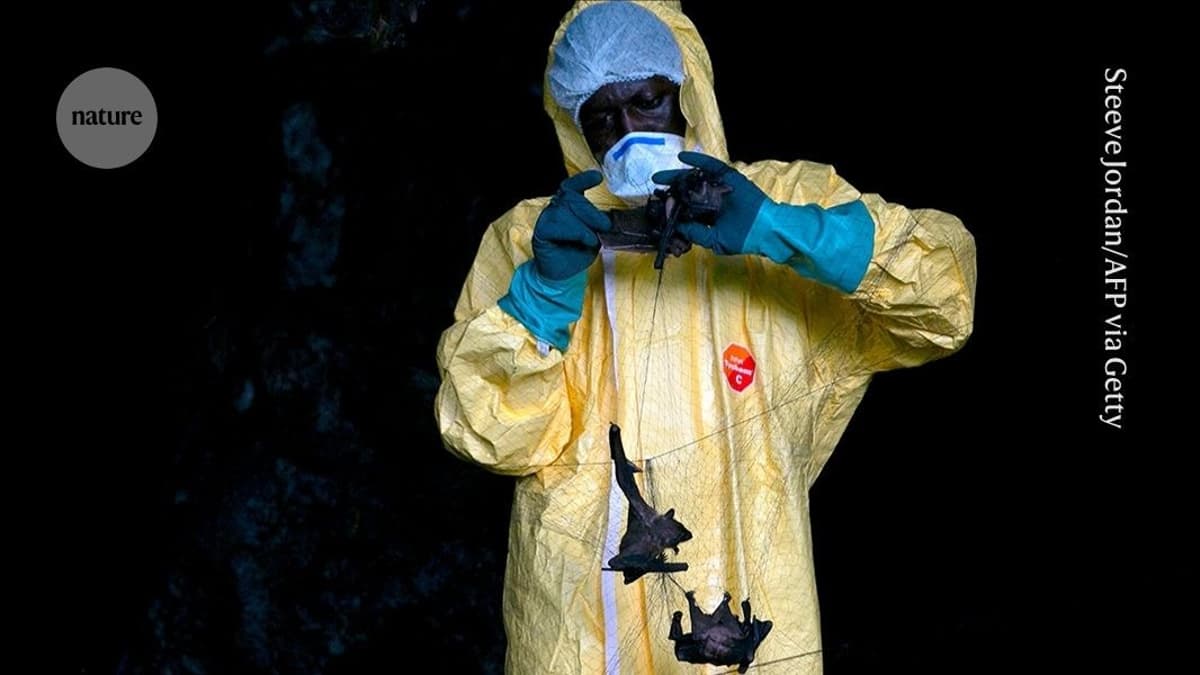
Ebola Outbreak Spirals Out of Control: How Might It Have Started?
Why It Matters
The outbreak underscores the persistent zoonotic threat posed by wildlife‑human interfaces in Central Africa, threatening regional health security and straining already fragile health systems. Effective community‑based interventions could prevent similar crises and limit cross‑border spread.
Key Takeaways
- •17th Ebola outbreak in DRC since 1976.
- •51 confirmed, 600 suspected, 139 deaths reported.
- •Fruit bats and bushmeat markets drive spillover risk.
- •Community engagement via women’s groups improves awareness.
- •Porous border enables cross‑border transmission.
Pulse Analysis
The latest Ebola flare‑up in the Democratic Republic of the Congo highlights how ecological disruption and human behavior intersect to create high‑risk spillover zones. Fruit bats, the natural reservoir for the Bundibugyo strain, thrive in the dense forest‑park mosaics of Ituri province, where they roost in homes and contaminate food sources. When local residents hunt or consume bushmeat—monkeys, baboons, and even bats themselves—the virus can jump to humans, igniting outbreaks that quickly outpace limited health infrastructure. Understanding these ecological dynamics is crucial for policymakers aiming to design preventive measures that address the root causes of zoonotic transmission.
Cross‑border mobility compounds the challenge. The porous frontier between the DRC and neighboring Uganda allows unrestricted movement of people, goods, and wildlife, facilitating the spread of infection before symptoms emerge. Bushmeat markets serve as informal trade hubs where contaminated meat can travel far beyond its point of origin, seeding new clusters. Health authorities therefore need coordinated surveillance systems that transcend national boundaries, leveraging real‑time data sharing and joint response protocols to detect and contain cases at the earliest stage.
Community engagement emerges as the most actionable lever for risk reduction. Trusted local figures—district officials, religious leaders, and especially women’s groups—can translate technical guidance into culturally resonant messages, encouraging safer practices such as avoiding bat‑infested dwellings and handling of raw wildlife. By focusing outreach on women, who manage household food preparation and child care, interventions achieve broader household compliance. Investing in these grassroots networks not only curbs immediate transmission but also builds long‑term resilience against future zoonotic threats, safeguarding both public health and economic stability in the region.
Ebola outbreak spirals out of control: how might it have started?
Comments
Want to join the conversation?
Loading comments...