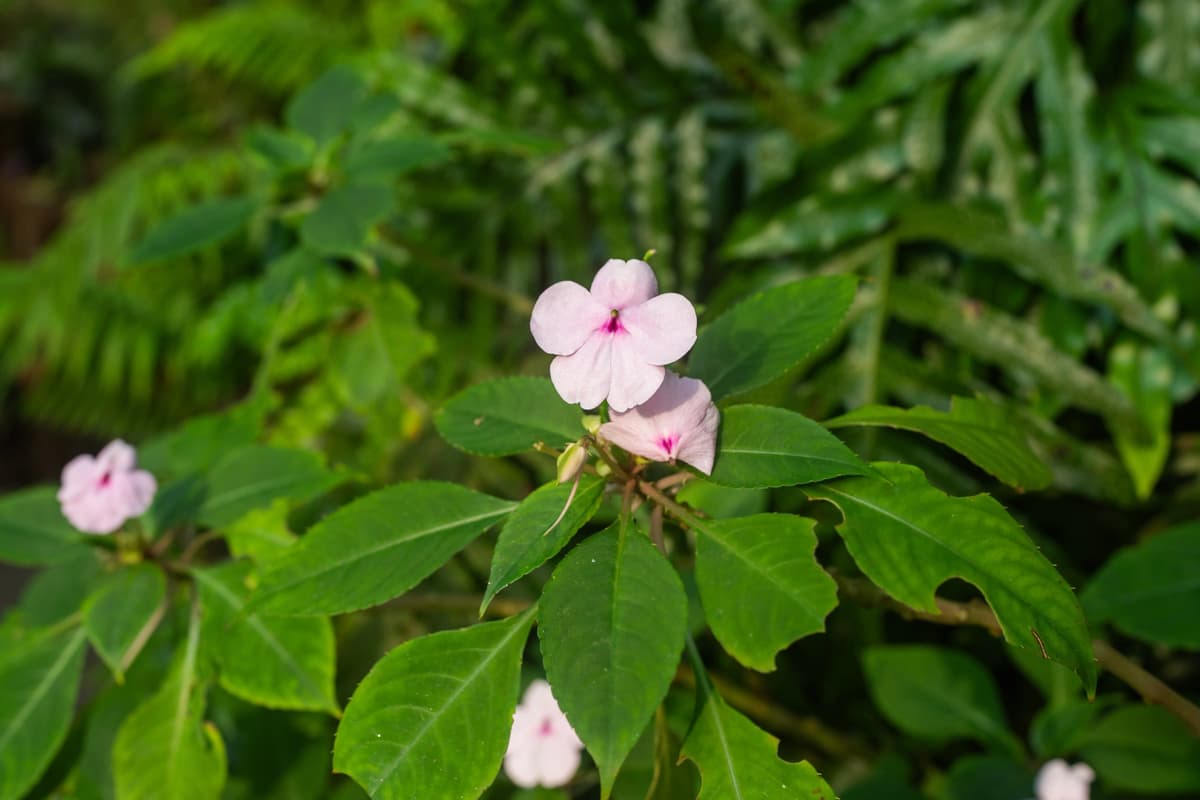
Eden Offers Blooms to Support Conservation in the Seychelles
Why It Matters
By turning a consumer purchase into direct funding, Eden creates a scalable model for private‑sector support of island biodiversity. The initiative safeguards endangered Seychelles flora while engaging the UK public in global conservation.
Key Takeaways
- •Eden sells Seychelles busy lizzie for £10 (~$12.5) starting June 8.
- •40% of each sale funds Seychelles conservation projects.
- •Plant supports pollinators and reduces weeds in UK homes.
- •Upcoming coco de mer seed germination aims to protect iconic species.
- •Partnership showcases island biodiversity fragility and global stewardship.
Pulse Analysis
The Eden Project’s latest offering, the Seychelles busy lizzie, illustrates how botanical attractions can double as fundraising tools. Bred in the Rainforest Biome in 2003, the plant was part of a pioneering "buy a plant, save the parents" scheme that linked UK horticulture with the preservation of Impatiens gordonii, an endangered endemic. By pricing the plant at £10 (about $12.5) and allocating 40% of profits to the Seychelles Ministry of the Environment, Eden transforms a simple garden purchase into a direct contribution to island plant conservation, a model increasingly adopted by cultural institutions.
Beyond its symbolic value, the busy lizzie delivers tangible ecological benefits to UK gardeners. Its low‑light tolerance makes it ideal for indoor spaces, while its dense foliage provides groundcover that supports bees and butterflies and suppresses invasive weeds. This dual role—enhancing domestic biodiversity and funding overseas habitat restoration—highlights the growing relevance of consumer‑driven conservation. As gardeners nurture the pink blossoms, they also become stakeholders in a trans‑continental effort to protect fragile island ecosystems.
Eden’s commitment deepens with the upcoming introduction of coco de mer seeds, the world’s largest seed, sourced from the Seychelles. Successful germination in the Rainforest Biome would not only safeguard a species threatened by habitat loss but also create a pipeline of plants for the new Eden Project Morecambe and UK botanic gardens. The partnership underscores the urgency of preserving island biodiversity, offering a replicable blueprint where horticultural expertise, public engagement, and targeted funding converge to combat extinction on a global scale.
Eden offers blooms to support conservation in the Seychelles
Comments
Want to join the conversation?
Loading comments...