Edible Coatings and Plasma-Activated Water: Synergistic Strategies for Extending Fresh Produce Shelf Life
Why It Matters
The synergy offers a residue‑free, clean‑label solution that can dramatically cut post‑harvest losses, boosting food security and sustainability. Its adoption could reshape preservation practices across the fresh‑produce supply chain.
Key Takeaways
- •PAW + EC extends shelf life 40‑100% versus untreated
- •Sequential PAW then coating yields 2‑4 log CFU/g microbial reduction
- •RONS degrade quickly in lipid‑rich coating matrices, reducing efficacy
- •No global standard exists for PAW generation and quality metrics
- •Scale‑up needs engineering design, lifecycle assessment, and regulatory coordination
Pulse Analysis
Post‑harvest loss remains a critical challenge, with up to 55 % of fresh fruits and vegetables wasted before reaching consumers. While refrigeration and chemical sanitizers have long been the industry mainstays, growing consumer demand for clean‑label, residue‑free products is driving interest in non‑thermal alternatives. Edible coatings—biopolymer films that act as semi‑permeable barriers—have proven effective at moderating respiration and moisture loss. Meanwhile, plasma‑activated water, enriched with reactive oxygen and nitrogen species, offers rapid, broad‑spectrum microbial inactivation without leaving chemical residues. Together, these technologies address both microbial safety and physiological degradation, presenting a compelling dual‑hurdle strategy.
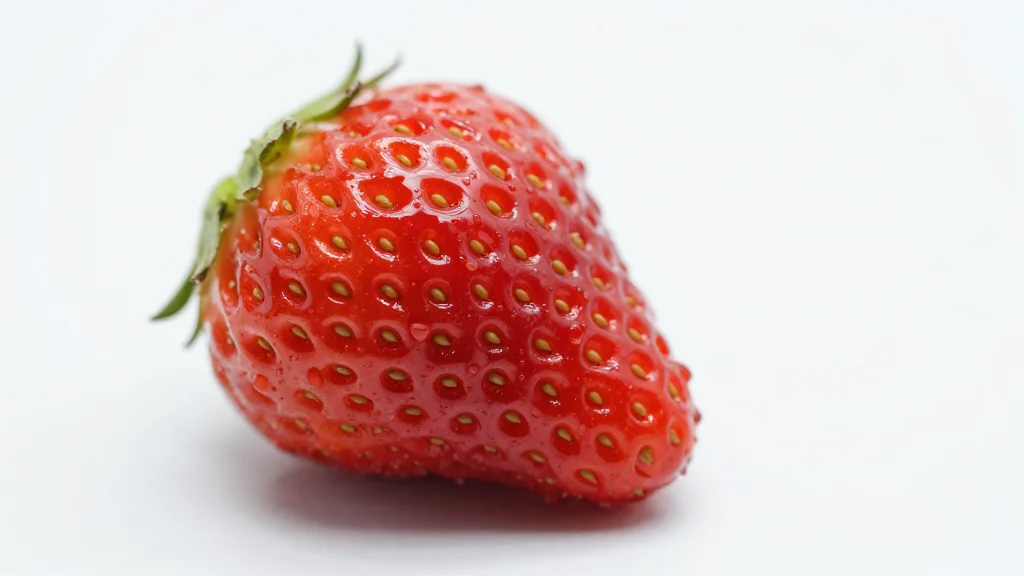
The synergy stems from complementary mechanisms: PAW delivers an immediate oxidative shock that reduces surface microbes by 2–4 log CFU g⁻¹ and suppresses enzymatic browning, while the subsequent edible coating forms a durable film that maintains modified‑atmosphere conditions, preserves firmness, and can carry additional antimicrobials or antioxidants. Empirical studies across strawberries, tomatoes, apples and grapes show shelf‑life extensions of 40‑100 % compared with untreated controls. However, challenges persist—reactive species in PAW can be quenched by lipid‑rich coating matrices, and the stability of short‑lived RONS during drying remains uncertain. Moreover, the field lacks universally accepted protocols for PAW characterization, complicating cross‑study comparisons and regulatory approval.
For the industry, translating EC‑PAW systems from lab to line will require robust scale‑up designs that preserve RONS efficacy, integrated lifecycle‑assessment tools to quantify environmental benefits, and harmonized regulatory frameworks across major markets such as the U.S., EU and Asia. Investment in standard‑setting bodies and collaborative research can accelerate adoption, potentially reducing global fresh‑produce waste by billions of dollars annually. As supply chains prioritize sustainability and consumer trust, the EC‑PAW combination positions itself as a next‑generation preservation platform poised for commercial rollout.
Edible coatings and plasma-activated water: synergistic strategies for extending fresh produce shelf life
Comments
Want to join the conversation?
Loading comments...