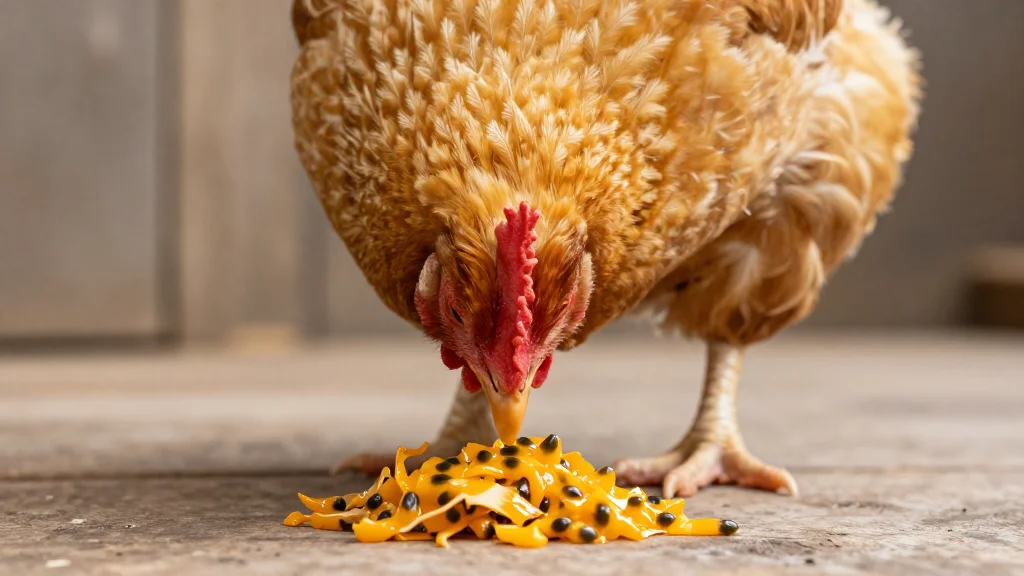
Effects of Dietary Fermented Passion Fruit (Passiflora Edulis Sims) Peel on Growth Performance, Intestinal Morphology, and Cecal Microbiota in Lingshan Broilers
Why It Matters
The findings demonstrate a viable, low‑cost use for passion‑fruit processing waste, enhancing poultry productivity and feed efficiency while supporting sustainable farming practices.
Key Takeaways
- •10% FPFP boosts final weight by ~8% vs control
- •Feed‑to‑gain ratio drops to 2.47, enhancing efficiency
- •Villus height and V/C ratio improve, indicating better nutrient absorption
- •Fibre‑degrading Rikenellaceae and growth‑linked Oscillibacter increase in cecum
Pulse Analysis
The rapid expansion of the global passion‑fruit juice market generates massive peel residues, traditionally viewed as waste. Fermentation transforms this high‑fiber by‑product into a nutrient‑dense feed additive, enriching protein, vitamins and bioactive polysaccharides while reducing spoilage risk. By integrating FPFP at a 10% inclusion level, poultry producers can tap into an abundant, inexpensive resource, aligning feed formulation with circular‑economy principles and reducing reliance on conventional grain imports.
Performance data from the 49‑day trial reveal that broilers fed 10% FPFP achieve an 8% increase in final body weight and a 28‑42% rise in average daily gain, all without higher feed intake. The lowered feed‑to‑gain ratio (2.47) translates into tangible cost savings for growers. These gains are underpinned by pronounced improvements in intestinal architecture—taller duodenal villi and higher villus‑to‑crypt ratios—facilitating superior nutrient absorption. Comparable benefits have been reported with other fermented agro‑by‑products, suggesting that the synergistic effects of fermented fibers, organic acids, and residual phytochemicals drive the observed growth enhancements.
Beyond immediate productivity, the shift toward FPFP supports environmental stewardship. Utilizing 10% of the diet for fermented peel reduces waste disposal pressures and cuts the carbon footprint associated with feed ingredient transport. The modest microbiome shifts—particularly the rise of Rikenellaceae and Oscillibacter—hint at longer‑term gut health advantages that could lower disease incidence and antibiotic use. As the poultry sector seeks sustainable feed solutions, scaling FPFP production and validating its efficacy across breeds and commercial settings will be critical next steps.
Effects of dietary fermented passion fruit (Passiflora edulis Sims) peel on growth performance, intestinal morphology, and cecal microbiota in Lingshan broilers
Comments
Want to join the conversation?
Loading comments...