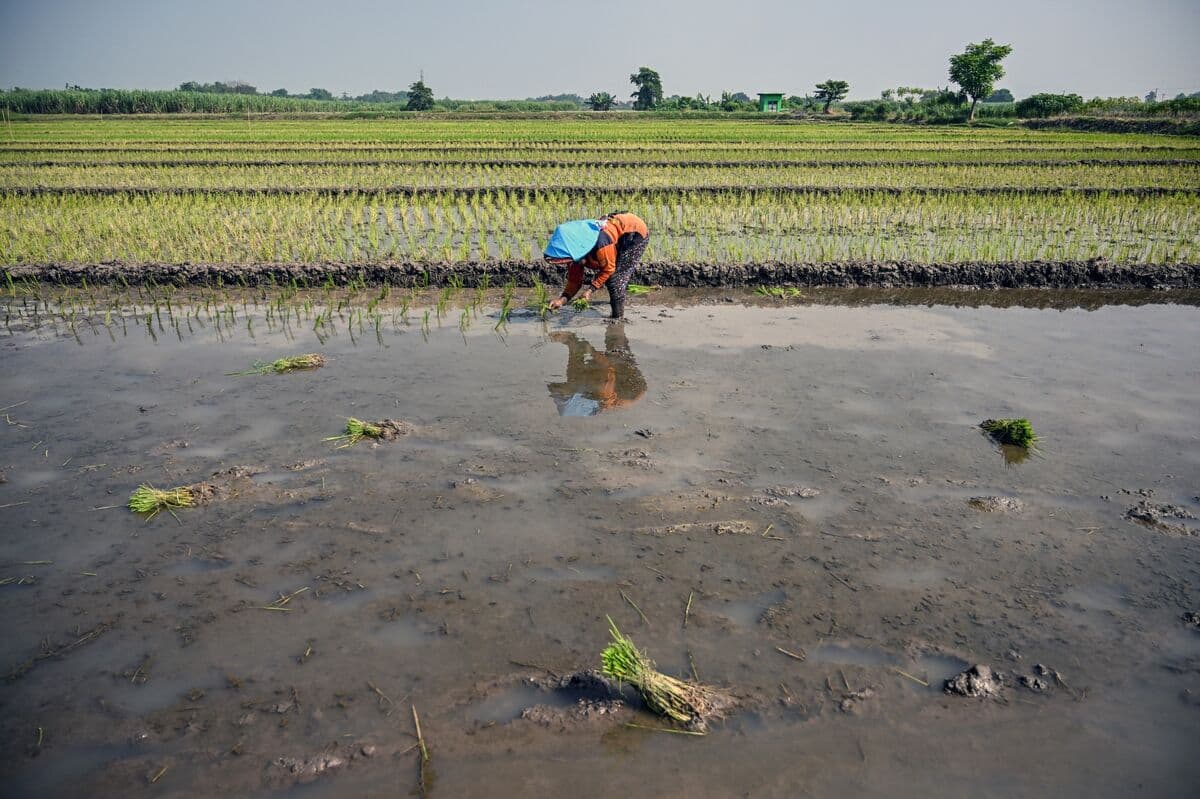
El Niño Emerges in Pacific, Raising Heat Risks and Crop Threats
Why It Matters
The phenomenon threatens global food security and energy reliability, exposing supply‑chain vulnerabilities and prompting costly adaptation measures. Businesses in agriculture, utilities, and insurance must reassess risk models as weather volatility intensifies.
Key Takeaways
- •El Niño formed across equatorial Pacific, first since 2023.
- •Forecasts predict heightened droughts, floods, and temperature extremes globally.
- •Agricultural yields could drop 5‑10% in vulnerable regions.
- •Power grids face increased strain from heat-driven demand spikes.
Pulse Analysis
El Niño, a periodic warming of the central and eastern Pacific Ocean, reshapes atmospheric circulation and drives extreme weather far beyond the tropics. Climate scientists use sea‑surface temperature anomalies and oceanic heat content to gauge its intensity; the current event’s temperature rise exceeds the 0.5 °C threshold that defines a strong El Niño. Historical records show that comparable episodes in 1997‑98 and 2015‑16 triggered worldwide temperature spikes, altered jet streams, and amplified the frequency of both droughts and heavy precipitation events. Understanding these dynamics helps policymakers anticipate downstream impacts and allocate resources more efficiently.
The agricultural sector faces immediate risk as altered rainfall patterns and soaring temperatures stress staple crops. In the United States, corn and soybean yields could decline by up to 8 % in the Midwest, while Latin America’s coffee and cacao harvests risk significant quality loss. Emerging markets that rely heavily on rain‑fed agriculture may see food‑price inflation rise, pressuring household budgets and prompting governments to consider emergency grain reserves. Investors are watching commodity futures closely, as volatility in supply chains can quickly translate into price swings across global markets.
Energy utilities are also on alert because El Niño‑driven heat waves push electricity demand to record highs, especially in regions already grappling with aging grid infrastructure. Simultaneously, altered wind patterns can reduce renewable generation, forcing reliance on fossil‑fuel peaker plants and raising emissions. Insurers are revising catastrophe models to account for higher probabilities of flood‑related claims and drought‑induced losses. Proactive measures—such as demand‑response programs, grid hardening, and diversified energy portfolios—are becoming essential strategies for maintaining reliability and mitigating financial exposure during the El Niño season.
El Niño Emerges in Pacific, Raising Heat Risks and Crop Threats
Comments
Want to join the conversation?
Loading comments...