Electric Fields Allow Bioprinting of Aligned Muscle Fibers

Key Takeaways
- •Electric field aligns fibrin nanofibers during EHD bioprinting.
- •Aligned hydrogel guides myocyte orientation, enhancing muscle maturation.
- •Conductive polymer addition improves construct conductivity and differentiation.
- •Rat studies show functional recovery after injury.
- •Platform enables customizable, vascular‑free muscle tissue fabrication.
Pulse Analysis
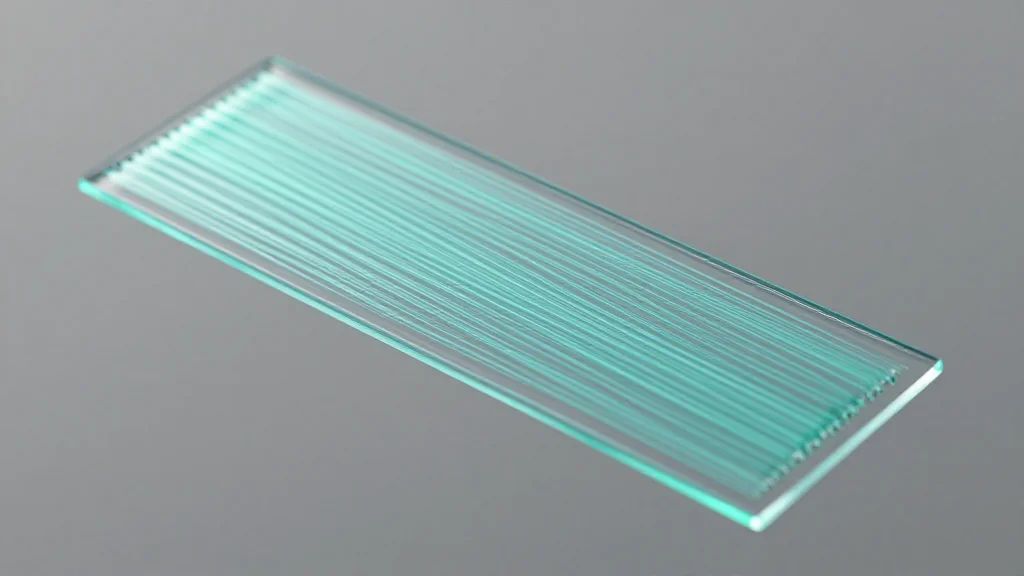
Bioprinting has long promised patient‑specific tissue replacement, yet reproducing the microscopic architecture of skeletal muscle remains a hurdle. Traditional extrusion methods struggle with resolution, and without a built‑in vascular network, large constructs risk necrosis. Muscle function hinges on the parallel alignment of myocytes, a feature that natural development achieves through biochemical and mechanical cues. By leveraging an external electric field during the electrohydrodynamic (EHD) printing process, researchers can now impose directional forces that shape fibrin‑alginate hydrogels at the nanoscale, effectively pre‑programming cellular orientation before implantation.
The core of the new technique lies in the formation of a Taylor cone under a 3 kV voltage, which stretches fibrin protofibrils into uniformly aligned nanofibers. These nanofibers act as a scaffold, guiding encapsulated myoblasts to elongate and fuse along the printed trajectory. Incorporating conductive polymers further endows the hydrogel with electrical properties akin to native muscle, promoting myotube differentiation and maturation. The resulting constructs exhibit both structural fidelity and functional conductivity, addressing two critical gaps in current tissue engineering approaches.
In a rat muscle injury model, the electrically aligned patches integrated seamlessly with host tissue, reestablishing contractile strength and restoring locomotor performance. This proof‑of‑concept demonstrates that vascular‑free, aligned muscle can achieve therapeutic outcomes, reducing the complexity of scaffold design and accelerating translational timelines. As the biotech sector seeks scalable, off‑the‑shelf regenerative solutions, such EHD bioprinting platforms could become foundational for next‑generation bio‑fabrication, personalized medicine, and high‑throughput drug testing.
Electric Fields Allow Bioprinting of Aligned Muscle Fibers
Comments
Want to join the conversation?