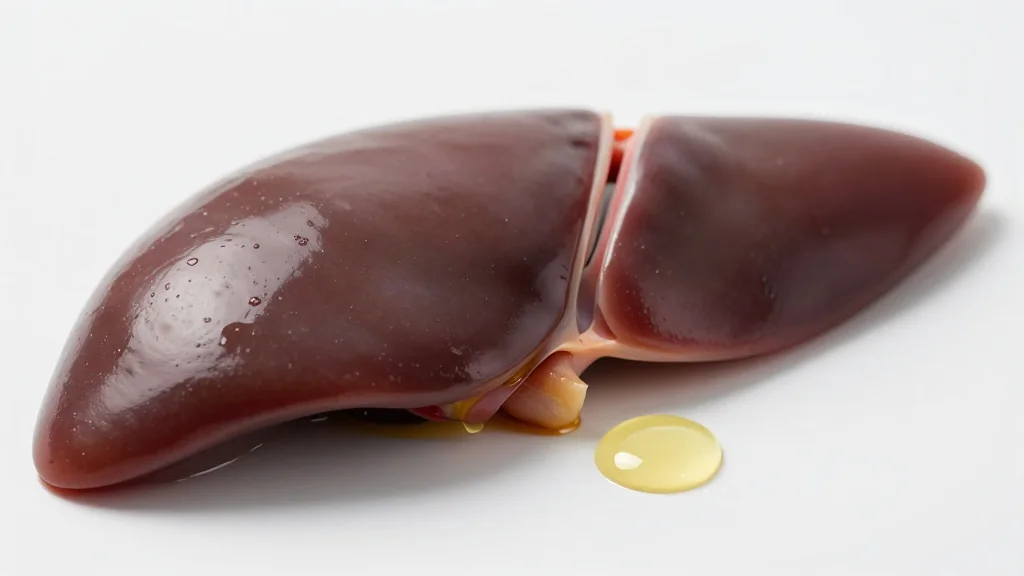
Elevated Remnant Cholesterol Is Linked to Non-Alcoholic Fatty Liver Disease in Patients with Type 2 Diabetes Mellitus
Companies Mentioned
Why It Matters
Remnant cholesterol, a simple calculation from routine lipid panels, can serve as an inexpensive early‑risk marker for NAFLD in the high‑risk diabetic population, guiding more targeted screening and preventive interventions.
Key Takeaways
- •Study of 308 Chinese T2DM patients found RC predicts NAFLD.
- •Adjusted odds ratio for NAFLD per 1 mmol/L RC increase: 4.23.
- •NAFLD risk climbs from 66% at RC 0.2 mmol/L to 86% at 1.0 mmol/L.
- •No interaction by age, sex, BMI, diabetes duration, or HbA1c.
- •Sensitivity analysis using RC tertiles confirmed linear trend (p=0.035).
Pulse Analysis
Non‑alcoholic fatty liver disease (NAFLD) has become a leading cause of chronic liver injury worldwide, affecting roughly 30 % of the global population and nearly 30 % of Chinese adults. The condition shares a tight metabolic link with type 2 diabetes mellitus (T2DM), a disease that now touches more than 10 % of people worldwide. While traditional lipid measures such as LDL‑C and triglycerides have been studied extensively, remnant cholesterol (RC)—the cholesterol carried in triglyceride‑rich lipoproteins—has emerged as a potential driver of both cardiovascular disease and hepatic steatosis. Understanding whether RC adds predictive value for NAFLD in the high‑risk T2DM cohort is therefore of immediate clinical relevance.
The recent cross‑sectional analysis of 308 hospitalized T2DM patients in Hebei General Hospital provides compelling evidence that RC is independently associated with NAFLD. After adjusting for age, diabetes duration, body‑mass index, uric acid and albumin, each 1 mmol/L rise in RC more than quadrupled the odds of having NAFLD (OR 4.23, 95 % CI 1.73‑12.04). A restricted cubic spline confirmed a linear dose‑response, with predicted NAFLD probability increasing from 66 % at RC 0.2 mmol/L to 86 % at 1.0 mmol/L. Subgroup analyses showed consistent effects across gender, age groups, obesity status and glycemic control, and sensitivity tests using RC tertiles upheld the trend.
From a practice standpoint, RC can be calculated instantly from a standard lipid panel, offering a low‑cost marker to flag patients who may benefit from more intensive liver assessment, such as ultrasound or elastography. If future prospective studies verify a causal link, therapeutic strategies aimed at lowering RC—through lifestyle modification, fibrates, or novel agents targeting triglyceride‑rich lipoprotein metabolism—could become part of an integrated approach to curb NAFLD progression in diabetics. Moreover, incorporating RC into risk algorithms may improve early detection, reduce cardiovascular comorbidity, and ultimately lower the health‑care burden of metabolic liver disease.
Elevated remnant cholesterol is linked to non-alcoholic fatty liver disease in patients with type 2 diabetes mellitus
Comments
Want to join the conversation?
Loading comments...