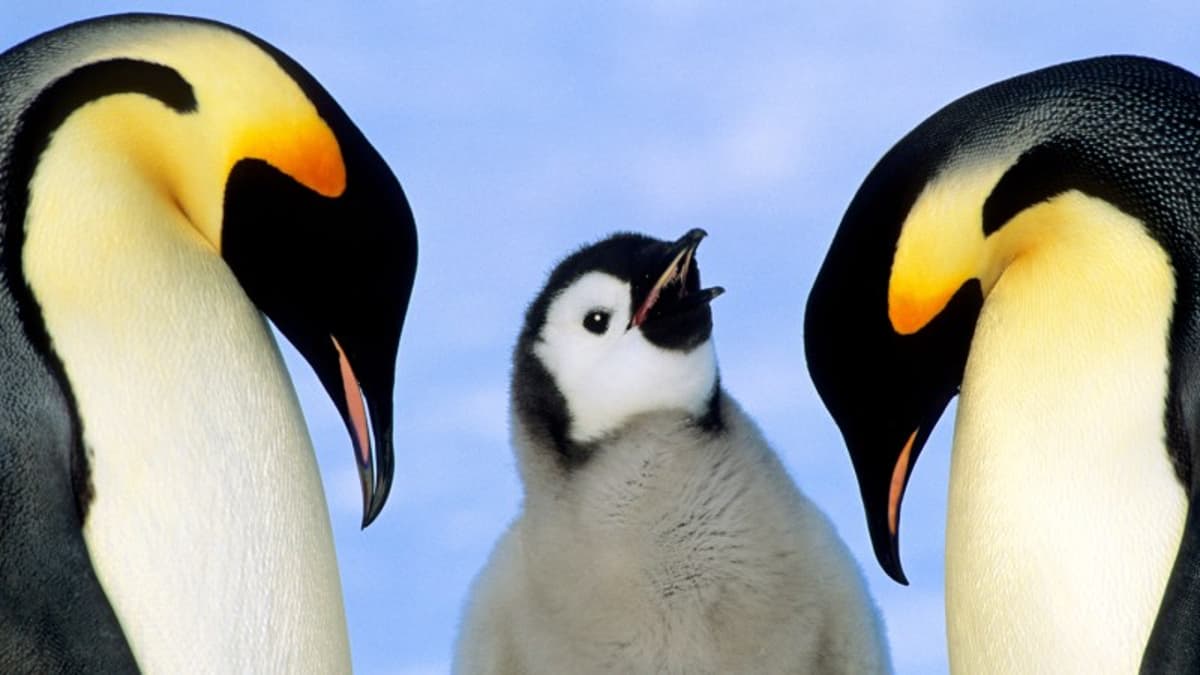
Emperor Penguins Are Marching Toward Extinction. Antarctica Fur Seals Too
Why It Matters
The reclassification signals an accelerating biodiversity crisis in Antarctica, highlighting how climate‑driven habitat loss directly threatens iconic wildlife and the marine food web that supports global fisheries.
Key Takeaways
- •Emperor penguins reclassified from threatened to endangered by IUCN.
- •Sea‑ice loss could halve penguin numbers by 2080.
- •2022 satellite data showed loss of 10,000 penguin chicks.
- •Antarctic fur seal population fell from 2.2 M to 0.94 M, now endangered.
- •Declining krill due to warming oceans threatens seal pup survival.
Pulse Analysis
The IUCN’s decision to list emperor penguins as endangered underscores the tangible impacts of climate change on Antarctic ecosystems. These birds rely on stable, multi‑year sea ice to incubate eggs and raise chicks; as ice forms later and breaks up sooner, mortality rates spike. Recent satellite monitoring has quantified the scale of loss, documenting the disappearance of entire colonies and a measurable decline in the global adult population. This data provides a stark benchmark for policymakers tracking the effectiveness of emissions reductions.
Parallel declines in Antarctic fur seals illustrate the broader cascade effect of warming oceans. The seals depend on dense krill swarms that congregate beneath sea ice, and as temperatures rise, krill migrate to deeper, colder waters, reducing their availability near the surface. The resulting food shortage has driven a dramatic population drop—from over two million in the late 1990s to under one million today—prompting the IUCN to elevate their risk status. The seal’s plight amplifies concerns for other krill‑dependent predators, including whales and seabirds.
For the business community, these ecological shifts carry material risk. The Antarctic krill fishery, valued at roughly $150 million annually, faces tighter quotas as conservation measures tighten, potentially reshaping supply chains for nutraceuticals and aquaculture feeds. Moreover, the loss of charismatic species can erode tourism revenues in polar cruise markets, which generated an estimated $1.2 billion in 2024. Investors and corporations are therefore incentivized to support climate mitigation and sustainable sourcing initiatives, aligning financial performance with emerging environmental stewardship expectations.
Emperor penguins are marching toward extinction. Antarctica fur seals too
Comments
Want to join the conversation?
Loading comments...