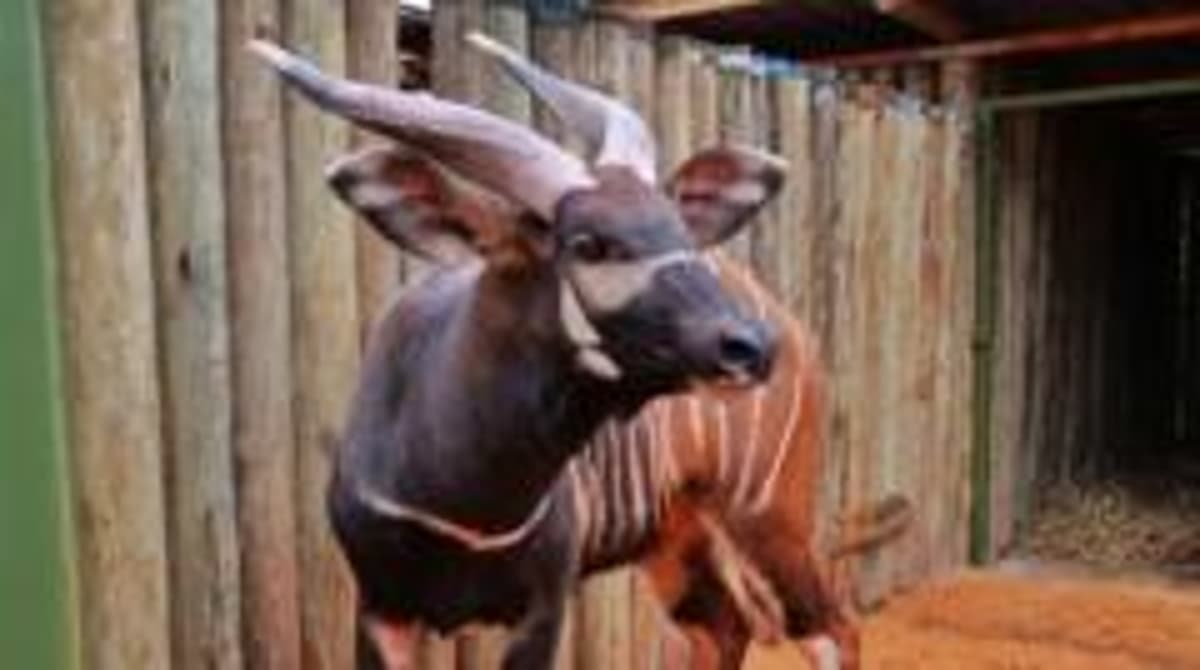
Endangered Antelopes Flown to Kenya From Czech Zoo in 'Historic Homecoming'
Why It Matters
Reintroducing genetically diverse males bolsters the fragile mountain bongo population, directly supporting Kenya’s ambitious recovery plan and setting a precedent for international wildlife repatriation.
Key Takeaways
- •Four male mountain bongos flown from Prague Zoo to Kenya.
- •KWS aims to boost gene pool of 102 bongos at Mount Kenya.
- •Wild population under 100; goal 700 by 2050.
- •Previous repatriations include 17 bongos from Florida in 2023.
- •Acclimatization and disease monitoring precede release into the wild.
Pulse Analysis
The mountain bongo, a chestnut‑red antelope native to Kenya’s highland forests, teeters on the brink of extinction, with fewer than 100 individuals estimated in the wild. Decades of habitat loss, poaching, and disease have driven numbers from roughly 500 in the 1970s to a precarious few hundred today. International zoos, particularly in Europe and North America, have become de‑facto genetic reservoirs, housing the species in controlled environments. The recent flight of four male bongos from Prague represents the latest chapter in a long‑term strategy to re‑establish a viable wild population, leveraging captive genetics to offset the severe bottleneck.
Genetic diversity is the linchpin of any successful reintroduction effort. By adding four unrelated males to the 102‑strong herd at Mount Kenya Wildlife Conservancy, KWS hopes to mitigate inbreeding depression and improve reproductive success. The conservancy’s breeding program follows a rigorous acclimatization protocol, including health screenings and gradual exposure to natural conditions, to ensure the animals develop immunity against local pathogens such as tick‑borne diseases that have claimed previous releases. Early successes—several repatriated bongos have already produced offspring in the wild—demonstrate the program’s potential, though setbacks remind managers of the delicate balance between captive care and natural survival.
Kenya’s broader wildlife recovery agenda views the bongo as a flagship species for high‑altitude forest ecosystems. The national plan targets a population of 700 by 2050, a figure that hinges on sustained international collaboration, funding, and community engagement. The Czech‑Kenyan partnership exemplifies how zoos can serve as genetic banks, while government agencies orchestrate on‑the‑ground reintegration. As more nations commit resources to similar repatriations, the mountain bongo’s trajectory could shift from near‑extinction to a model of successful cross‑border conservation, reinforcing the economic and ecological value of preserving Africa’s unique megafauna.
Endangered antelopes flown to Kenya from Czech zoo in 'historic homecoming'
Comments
Want to join the conversation?
Loading comments...