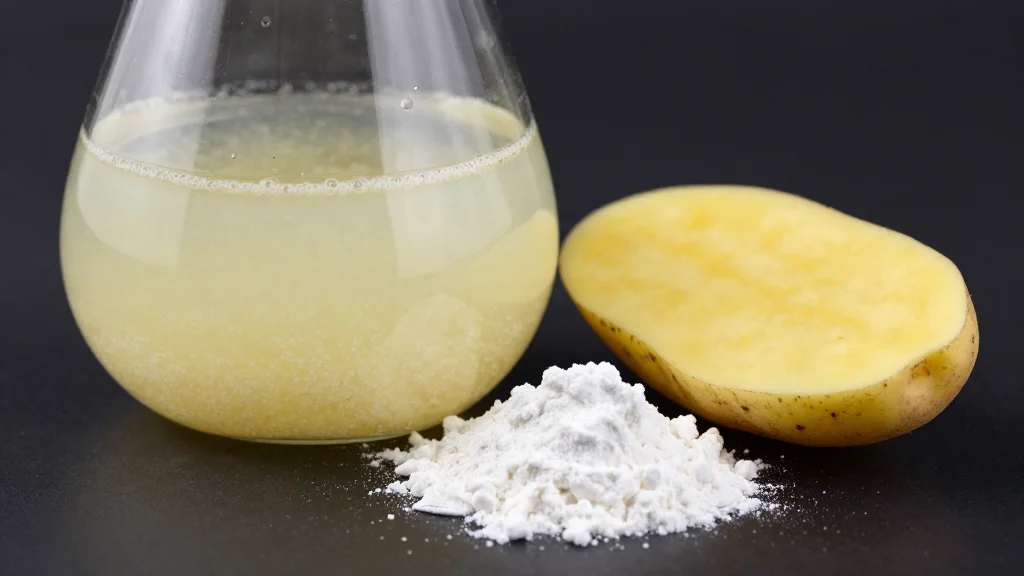
Engineered Bacterium Turns Potato Starch Into Biodegradable Plastic in 24 Hours
Why It Matters
The technology delivers a scalable, low‑cost method to produce renewable PHB, accelerating the transition to a circular plastics economy and helping companies meet sustainability mandates.
Key Takeaways
- •Engineered Bacillus subtilis produces PHB from raw potato starch in 24 h
- •CRISPR‑Cas9 redesign yields 5.8 g L⁻¹ PHB, 51.8 % of dry weight
- •Single‑step process eliminates need for starch pretreatment, cutting costs
- •PHB purity matches commercial standards, enabling immediate market adoption
- •Bioplastic reduces reliance on petroleum, lowering carbon footprint
Pulse Analysis
The world produces hundreds of millions of tons of petro‑based plastic each year, most of which ends up in landfills or oceans, driving greenhouse‑gas emissions and ecological harm. Biodegradable polymers such as polyhydroxybutyrate (PHB) have emerged as a promising alternative because they are derived from renewable feedstocks and decompose into harmless by‑products. However, high production costs and complex processing have limited their market penetration. The new study from the University of Barcelona demonstrates a rapid, single‑step route that could shift the economics of bioplastic manufacturing. Governments worldwide are also introducing subsidies and tax incentives to accelerate bioplastic adoption, further improving the financial case.
The researchers engineered the gram‑positive bacterium Bacillus subtilis, a workhorse in industrial biotechnology, using CRISPR‑Cas9 to insert the phaA gene and control the phaRBC operon while adding an amyQ α‑amylase for direct starch hydrolysis. In flask‑scale trials the strain accumulated 5.8 g L⁻¹ of PHB, representing 51.8 % of dry cell weight—far above the sub‑13 % yields reported for earlier hosts. Crucially, the process converts unprocessed potato starch into polymer within 24 hours, eliminating costly pretreatment steps and simplifying the production chain.
With polymer purity comparable to commercial PHB, the technology is ready for pilot‑scale validation and could attract investment from packaging firms seeking to meet tightening regulations on single‑use plastics. By turning an abundant agricultural by‑product into a high‑value material, the approach also offers farmers a new revenue stream and reduces waste. If scaled, the bioplastic could lower the carbon intensity of the plastics sector by several percent, supporting corporate sustainability goals and advancing a circular, decarbonized economy.
Engineered bacterium turns potato starch into biodegradable plastic in 24 hours
Comments
Want to join the conversation?
Loading comments...