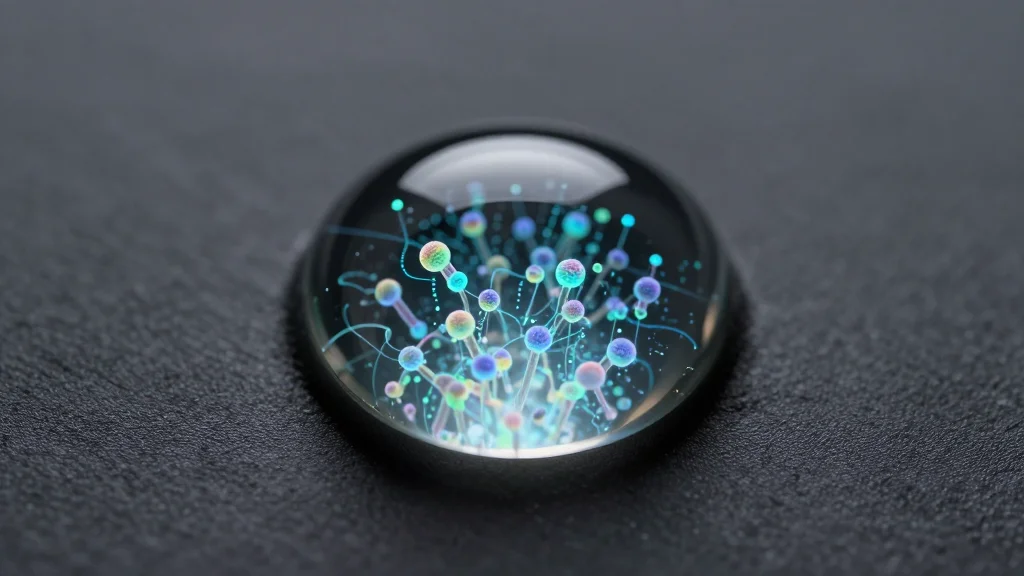
Engineered Proteins Store Digital Files with 30 Times Density at One-Tenth Cost
Why It Matters
Protein data storage delivers dramatically higher capacity at a fraction of the cost, directly addressing the exploding data demands of AI, big‑data analytics, and edge devices while offering superior longevity.
Key Takeaways
- •Protein carriers achieve 30× storage density versus peptide methods
- •Production cost drops to 10% of peptide‑based storage
- •Data readout uses LC‑MS/MS with error‑correction algorithms
- •Random‑access enabled via affinity‑tag purification
- •Proteins remain stable in solution longer than DNA
Pulse Analysis
The relentless growth of AI models, sensor networks and video streaming is pushing traditional storage media toward physical and economic limits. Hard‑disk drives and flash arrays consume significant power, degrade over years, and see price per gigabyte climb as demand spikes. Molecular data storage—using DNA, peptides or proteins—offers a paradigm shift by encoding bits in the chemistry of macromolecules. Among these, proteins combine the synthetic flexibility of amino‑acid sequences with the ability to be mass‑produced in living cells, promising a sustainable, high‑density alternative that could ease pressure on data centers worldwide.
The PolyU team translated digital files into custom amino‑acid strings, inserted them into a collagen‑inspired scaffold, and let engineered *E. coli* synthesize the resulting proteins. After purification, the proteins are digested and fed into liquid‑chromatography tandem mass spectrometry, which fragments them into peptide pieces that are sequenced with sub‑ppm accuracy. A proprietary software pipeline stitches the fragments back together, applies an error‑correction code and restores the original bitstream. Compared with the group’s earlier peptide system, the protein approach delivers thirty times the storage density while slashing production costs to one‑tenth.
Beyond raw capacity, the study demonstrates functional features rarely seen in molecular storage. Affinity tags attached to specific protein batches enable selective pull‑down, giving true random‑access retrieval, while the same tags act as cryptographic keys, allowing encrypted data that can only be read with the matching reagent. The stability of the collagen‑like backbone means the information survives harsh conditions that would quickly degrade DNA, opening possibilities for archival archives in extreme environments or even living organisms. If scaling challenges such as write speed and bulk manufacturing are solved, protein‑based storage could become a cost‑effective backbone for the next generation of data‑intensive applications.
Engineered proteins store digital files with 30 times density at one-tenth cost
Comments
Want to join the conversation?
Loading comments...