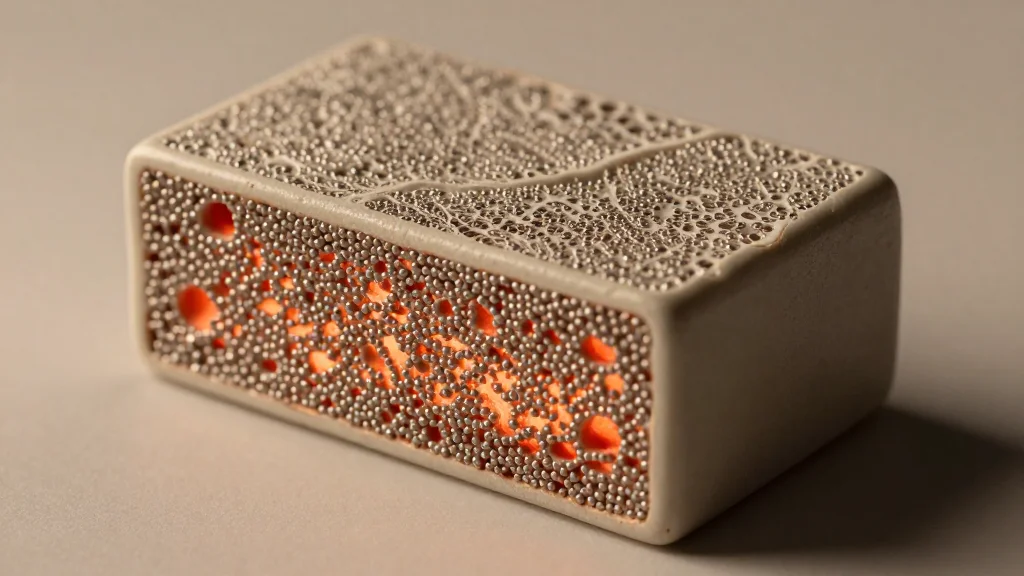
Engineering NiO Particle Size in Hydrogen Electrode Functional Layers for Enhanced Performance of Protonic Ceramic Electrochemical Cells
Why It Matters
A simple adjustment to NiO particle size markedly boosts PCEC efficiency, accelerating low‑temperature hydrogen production and solid‑state power generation. This insight paves the way for faster commercialization of intermediate‑temperature electrochemical devices.
Key Takeaways
- •Nano‑NiO particles cut ohmic resistance by ~35% at 600 °C
- •Peak fuel‑cell power reached 1.11 W cm⁻² with fine‑grained HEFLs
- •Electrolysis current density hit –1.50 A cm⁻² at 1.3 V, 30% steam
- •Smaller NiO promotes electrolyte densification and uniform microstructure
Pulse Analysis
Protonic ceramic electrochemical cells (PCECs) operate at intermediate temperatures of 400–600 °C, positioning them between traditional solid oxide fuel cells and low‑temperature electrolyzers. This temperature window offers a sweet spot for efficient hydrogen production, power generation, and chemical synthesis while reducing material degradation. However, the overall performance hinges on the quality of the electrode‑electrolyte interfaces, especially the hydrogen electrode, which has historically lagged behind its oxygen counterpart in terms of research focus.
The recent investigation highlights that tailoring NiO particle size within the hydrogen electrode functional layer (HEFL) can dramatically reshape the microstructure after reduction. Nano‑scale NiO particles foster tighter electrolyte sintering and generate a fine‑grained, homogeneous network that eases gas diffusion and lowers charge‑transfer resistance. The resulting drop in ohmic resistance—from 0.23 to about 0.15 Ω·cm²—translates directly into higher power output in fuel‑cell mode and stronger current density in electrolysis mode, demonstrating a clear structure‑property relationship that had been elusive.
For industry stakeholders, this breakthrough suggests a low‑cost, scalable route to enhance PCEC performance without overhauling cell architecture. By simply adjusting the precursor particle size, manufacturers can achieve near‑double power densities and more robust electrolysis currents, accelerating the deployment of PCECs in renewable‑energy grids and green‑hydrogen projects. Future work will likely explore synergistic effects with other dopants and advanced sintering techniques, further tightening the gap between laboratory results and commercial viability.
Engineering NiO Particle Size in Hydrogen Electrode Functional Layers for Enhanced Performance of Protonic Ceramic Electrochemical Cells
Comments
Want to join the conversation?
Loading comments...