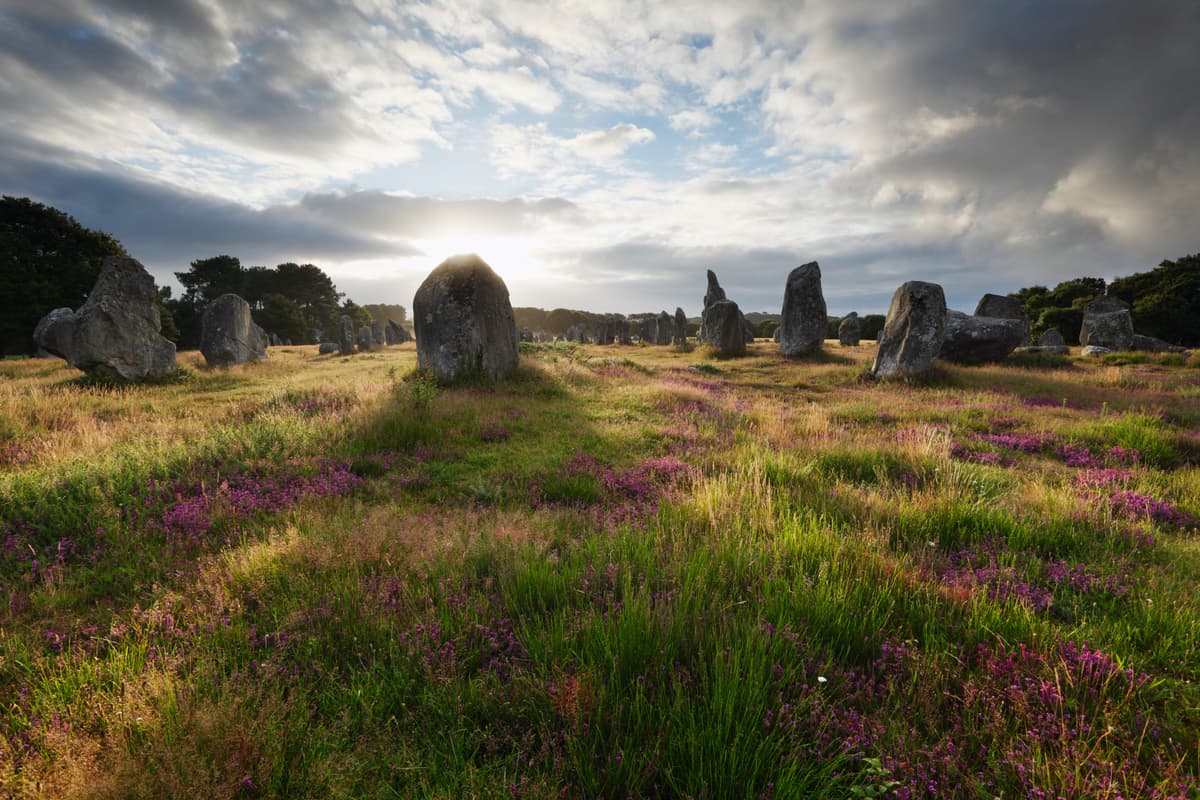
Entire Human Populations Vanished 3,000 Years Ago. Scientists Figured Out Where They Went.
Why It Matters
The discovery shows how ancient pandemics and climate stress can trigger rapid genetic and cultural replacement, reshaping European prehistory. It refines migration models that inform both archaeology and modern population‑genetics research.
Key Takeaways
- •Bury tomb shows 200-year burial gap (3100‑2900 BCE).
- •DNA reveals two unrelated population phases.
- •Phase two ancestry >80% from Neolithic Iberia.
- •Collapse linked to disease, climate, and demographic contraction.
- •Iberian farmers repopulated Paris Basin after Neolithic decline.
Pulse Analysis
The Bury megalithic tomb, a 30‑mile‑north‑of‑Paris stone monument, has long been a touchstone for Neolithic archaeology. By extracting and sequencing ancient DNA from 132 skeletal remains, researchers could map genetic lineages across two burial episodes separated by a two‑century hiatus. This methodological blend of genomics, radiocarbon dating, and paleo‑environmental data offers a rare window into how burial practices reflect broader demographic shifts.
The genetic contrast between the two phases is stark. Early burials display a mosaic of ancestry linked to farming groups spread across continental Europe, while the later interments are strikingly homogenous, with more than 80 % of their DNA tracing back to Neolithic populations of Iberia. Coupled with pollen records showing forest regrowth and pathogen DNA indicating plague‑like illnesses, the evidence points to a sudden collapse of established communities around 3100 BCE, followed by an influx of Iberian farmers who filled the empty landscape.
These findings rewrite the narrative of Europe’s Neolithic transition. Rather than a gradual diffusion of agriculture, the data support a model where a continent‑wide demographic vacuum—likely spurred by disease and climate stress—prompted rapid, large‑scale migrations. Understanding this ancient turnover informs modern discussions about how societies respond to pandemics and environmental change, and it provides a genetic baseline for tracing subsequent cultural evolutions across northwestern Europe.
Entire Human Populations Vanished 3,000 Years Ago. Scientists Figured Out Where They Went.
Comments
Want to join the conversation?
Loading comments...