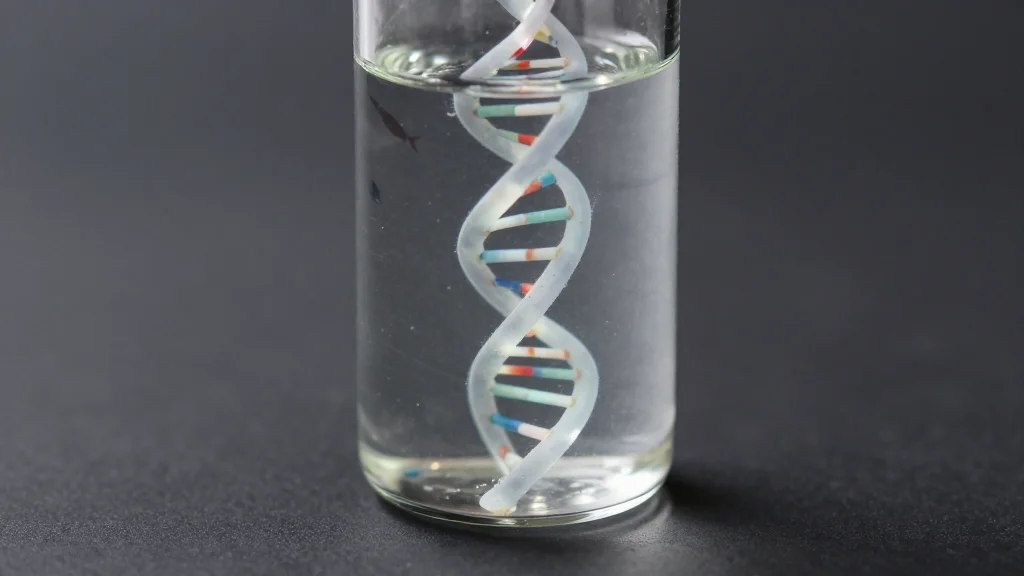
Environmental DNA Brings the East River’s Fish Population Into Focus
Why It Matters
eDNA offers a scalable, affordable way to monitor biodiversity in polluted urban rivers, informing conservation and public‑health decisions. Its success in the East River could accelerate adoption by government agencies and community groups nationwide.
Key Takeaways
- •eDNA identified 30+ vertebrate species in East River.
- •Metabarcoding distinguished fish despite wastewater DNA noise.
- •Study cost $15,000 annually vs $15,000 daily boat surveys.
- •Chicken DNA revealed New Yorkers’ dinner choices in wastewater.
Pulse Analysis
Environmental DNA has moved from niche research labs into the mainstream of urban ecology, and the East River study underscores its practical value. By extracting microscopic fragments of genetic material from water samples, scientists can reconstruct a snapshot of the entire vertebrate community without disturbing habitats. This approach is especially powerful in cities where traditional sampling is hampered by traffic, safety concerns, and limited access. The East River, once a notorious sewage conduit, now serves as a living laboratory demonstrating how eDNA can track ecological recovery in real time.
One of the biggest hurdles for eDNA in metropolitan waterways is the background “noise” from wastewater, which can flood samples with human and domestic animal DNA. The Rockefeller team applied advanced metabarcoding pipelines that filter out irrelevant sequences, allowing them to isolate native fish signatures even during heavy rain events that trigger combined‑sewer overflows. Beyond ecological data, the incidental detection of chicken DNA offered a quirky glimpse into the city’s dinner plates, illustrating the breadth of information embedded in waterborne genetic material. Crucially, the entire operation cost roughly $15,000 for a full year, a stark contrast to the $15,000‑per‑day expense of deploying a research vessel for net surveys.
The implications extend far beyond academic curiosity. Municipal agencies can now consider eDNA as a cost‑effective supplement—or even alternative—to legacy monitoring programs, enabling more frequent and spatially extensive assessments. Non‑profits and citizen‑science groups also gain a viable tool for local stewardship, fostering community‑driven data collection. As regulatory frameworks evolve to incorporate molecular monitoring, the East River case may catalyze broader policy shifts, encouraging investment in portable sequencing platforms and standardized data pipelines. Ultimately, eDNA promises to democratize environmental surveillance, delivering high‑resolution biodiversity insights that support smarter, more resilient urban water management.
Environmental DNA brings the East River’s fish population into focus
Comments
Want to join the conversation?
Loading comments...