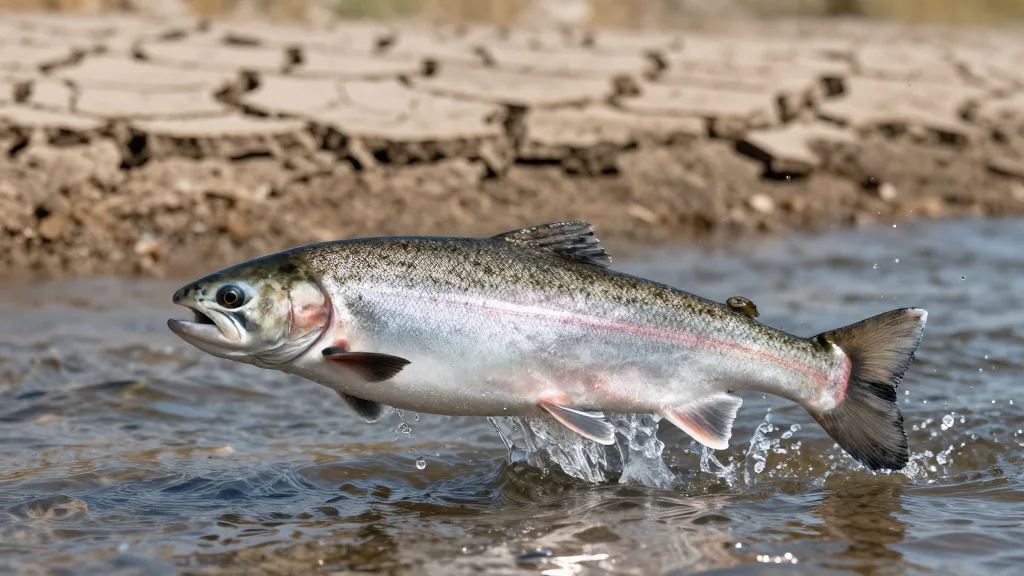
Ep. 467: Cocaine Salmon, Legislative Scorecard, and Oh My God It's Dry in the West
Why It Matters
Drug contamination threatens aquatic ecosystems, while drought and rising fuel costs amplify pressure on wildlife and rural economies, making targeted conservation funding and policy decisions critical.
Key Takeaways
- •Swedish study: cocaine speeds salmon 20% faster, doubles travel distance.
- •NRCS allocates $52 million to voluntary public access habitat program, largest since 2008.
- •Western snowpack decline threatens elk, deer, trout, and sage‑grouse populations.
- •State hunting bills split: some pass, others die, reshaping wildlife management.
- •Montana diesel exceeds $5/gal, projected over $6/gal, raising agricultural costs.
Pulse Analysis
The discovery that cocaine can dramatically alter salmon behavior underscores a growing, under‑examined threat: pharmaceutical and illicit‑drug residues infiltrating freshwater systems. While the immediate effect may appear isolated, the broader implication is a potential cascade of ecological disruption, especially for species already stressed by habitat loss and climate change. Researchers warn that such contaminants could compound existing pressures on fish populations, prompting regulators to consider stricter water‑treatment standards and upstream drug‑disposal policies.
At the same time, the USDA’s NRCS injection of $52 million into the Voluntary Public Access and Habitat Incentive Program represents a strategic investment in private‑land conservation. By incentivizing landowners to open habitats for public hunting and fishing, the program aims to sustain rural economies and preserve biodiversity without relying solely on federal land. This funding surge, the largest since the program’s 2008 launch, signals a policy shift toward collaborative stewardship, offering a template for other agencies grappling with limited budgets and escalating environmental challenges.
The western United States faces a compounding crisis: a historic drought that has slashed snowpack, accelerated river warming, and jeopardized game species from elk to trout. Coupled with soaring diesel prices—now over $5 per gallon and projected to exceed $6—farmers, ranchers, and outdoor‑industry businesses confront rising operational costs. These stressors amplify the urgency for adaptive wildlife management, such as adjusting harvest quotas and expanding public‑access initiatives, to balance ecological resilience with the economic realities of rural communities.
Ep. 467: Cocaine Salmon, Legislative Scorecard, and Oh My God It's Dry in the West
Comments
Want to join the conversation?
Loading comments...