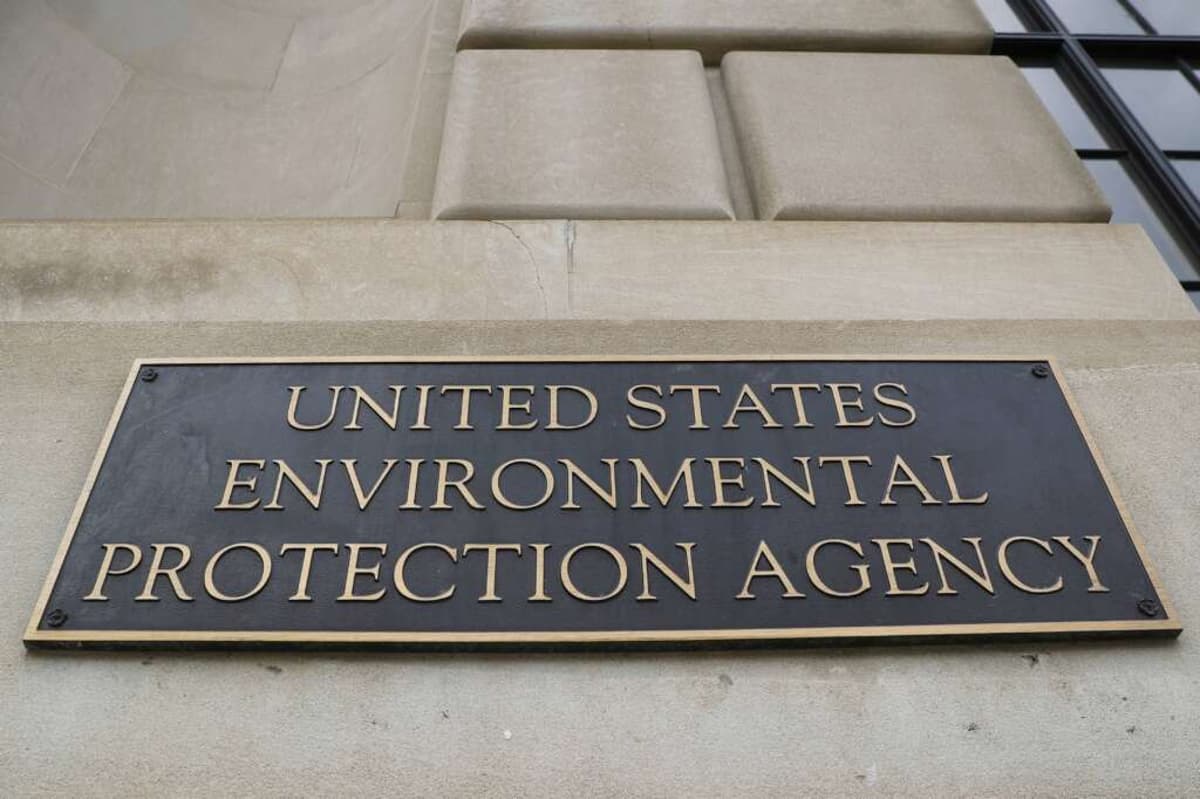
EPA Producing Less Scientific Research After 20% Staffing Cut, Data Shows
Why It Matters
Reduced EPA research limits the data foundation for regulations protecting public health and the environment, potentially slowing policy responses to pollution and climate challenges.
Key Takeaways
- •EPA output dropped 17% after 3,000 staff cuts.
- •2026 projections show only 163 peer‑reviewed papers.
- •Science‑related jobs represent 25‑30% of eliminated positions.
- •FY2027 budget seeks >50% funding cut and 200 more layoffs.
Pulse Analysis
The Environmental Protection Agency has long relied on its Office of Research and Development to generate the scientific evidence that underpins air, water and chemical regulations. After a 20% reduction in staff—roughly 3,000 positions—the agency’s peer‑reviewed output slipped to 275 studies in 2025, a 17% decline from the previous year. This contraction follows a broader trend that began under the Biden administration but accelerated during the second Trump term, when the agency dismantled its flagship research office and replaced it with a smaller Office of Applied Science and Environmental Solutions. The resulting dip in publications erodes the EPA’s capacity to conduct long‑term studies, many of which take years to move from data collection to peer‑reviewed release.
A weakened research pipeline has tangible policy repercussions. Regulators depend on robust, independent science to justify standards for hazardous pollutants, set emissions caps, and assess climate‑related risks. With fewer studies, the agency may face legal challenges from industry groups claiming insufficient scientific justification, while states and tribes could lose a critical source of data for local environmental assessments. Moreover, the new “advance notice” policy, which requires pre‑approval for high‑profile research, may further delay the dissemination of findings, limiting timely public and stakeholder engagement.
The political backdrop intensifies the uncertainty. The FY‑2027 budget proposal seeks to slash EPA funding by more than half and trim another 200 staff positions, signaling a continued de‑prioritization of federal environmental science. If enacted, these cuts could push the agency’s research capacity to historic lows, potentially prompting congressional oversight or litigation to protect essential scientific functions. Stakeholders—ranging from industry compliance teams to environmental NGOs—should monitor forthcoming appropriations hearings, as the balance between fiscal restraint and the need for credible environmental data will shape regulatory outcomes for years to come.
EPA producing less scientific research after 20% staffing cut, data shows
Comments
Want to join the conversation?
Loading comments...