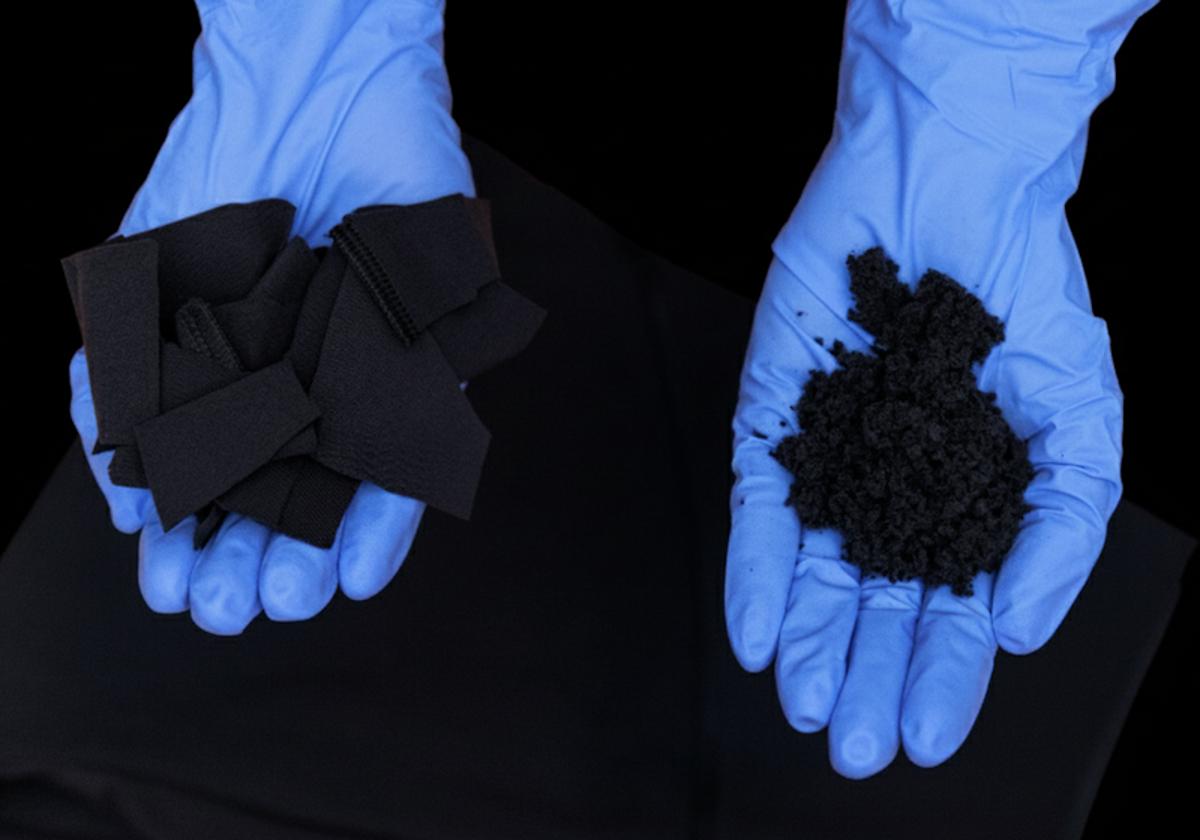
Epoch to Open World’s Largest Nylon Biorecycling Plant
Why It Matters
By turning high‑volume nylon waste into reusable material, Epoch could lower reliance on virgin petrochemical feedstocks and help apparel and automotive firms meet tightening sustainability mandates. The demo plant also proves that enzymatic recycling can be deployed at commercial scale.
Key Takeaways
- •Epoch's plant will process hundreds of tonnes of nylon‑6,6 annually
- •Location: Imperial College London's Grapht Works manufacturing hub
- •Enzymatic recycling targets apparel, automotive, military, industrial sectors
- •Demo plant slated for Q3 2026, aiming for commercial scale
Pulse Analysis
Synthetic fibers like nylon 6,6 account for a growing share of global textile waste, with estimates indicating millions of tonnes discarded annually. Traditional mechanical recycling struggles with polymer degradation, while chemical methods often require harsh solvents and high energy inputs. This waste stream contributes to greenhouse‑gas emissions and landfill pressure, prompting regulators and brands to seek more sustainable alternatives. The urgency for a circular nylon economy has intensified as major apparel companies pledge net‑zero targets and consumers demand greener products.
Epoch Biodesign’s enzymatic approach leverages engineered microbes that break down nylon 6,6 into its monomeric components under mild conditions. By operating at Imperial College’s Grapht Works, the company benefits from cutting‑edge research infrastructure and proximity to a talent pool in biotech and materials science. Processing “hundreds of tonnes” per year positions the demo plant as the largest of its kind, moving the technology beyond pilot‑scale proof‑of‑concept. The enzymatic route promises lower energy consumption, minimal hazardous waste, and the ability to handle mixed‑use nylon streams from apparel, automotive interiors, and even military gear, which are typically difficult for conventional recycling.
If successful, Epoch’s model could reshape supply chains by providing a reliable source of recycled nylon feedstock, reducing dependence on fossil‑derived raw materials. Investors are watching closely, as circular‑economy initiatives attract billions in funding and policy incentives, especially in Europe and North America. The plant’s performance will inform future commercial roll‑outs, potentially spurring partnerships with major brands seeking certified recycled content. In the broader market, scalable biorecycling could accelerate the transition toward a low‑carbon textile industry, aligning with ESG goals and emerging regulatory frameworks.
Epoch to open world’s largest nylon biorecycling plant
Comments
Want to join the conversation?
Loading comments...