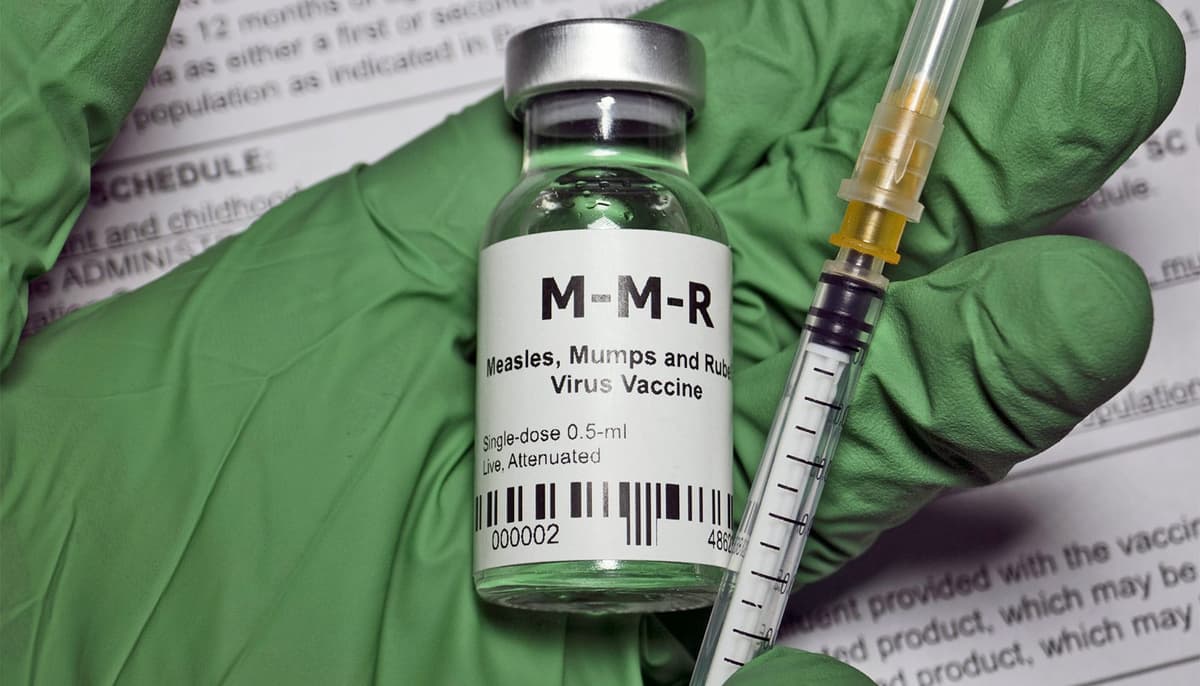
Why It Matters
The study reveals how underserved ER patients contribute to measles resurgence and shows that leveraging emergency departments for vaccine outreach could improve equity and curb future outbreaks.
Key Takeaways
- •Survey of 2,459 ER patients reveals low MMR knowledge
- •Under‑vaccination linked to race, language, insurance, primary‑care gaps
- •ERs can serve as screening hubs for vaccine education
- •Researchers suggest low‑burden steps to direct patients to clinics
- •Findings highlight systemic barriers driving measles resurgence
Pulse Analysis
Measles, one of the most contagious viral illnesses, has resurfaced in the United States, with California reporting its highest annual case count in seven years as of 2026. The disease spreads through airborne droplets, and even modest declines in immunization coverage can spark outbreaks that strain local health resources. Public health officials have warned that gaps in the measles‑mumps‑rubella (MMR) vaccine uptake undermine herd immunity, making vulnerable communities susceptible to rapid transmission. Understanding why these gaps persist is essential for reversing the upward trend.
A University of California, Riverside‑led investigation surveyed 2,459 adult patients across ten emergency departments between April and December 2024. The study uncovered widespread misinformation, uncertainty about vaccination status, and pronounced hesitancy, especially among racial minorities, non‑English speakers, and uninsured individuals. These systemic barriers—limited health‑literacy tools, language obstacles, and fragmented primary‑care access—correlate with lower MMR coverage. By treating emergency rooms as “safety‑net” sites, researchers argue that clinicians can identify under‑immunized patients, deliver targeted education, and connect them with affordable vaccination venues.
The authors propose practical, low‑burden interventions: routine MMR screening questions, culturally tailored informational handouts, and referrals to nearby pharmacies or community clinics. While most emergency departments lack the capacity to stock the vaccine, their high patient volume and trust relationship position them to influence preventive health behaviors. Scaling such initiatives could narrow equity gaps, curb future measles spikes, and reinforce broader vaccine confidence. Policymakers and health systems should consider funding dedicated staff or digital tools to streamline education and referral pathways, turning acute care settings into proactive public‑health allies.
ER patients highlight measles vaccine gaps
Comments
Want to join the conversation?
Loading comments...