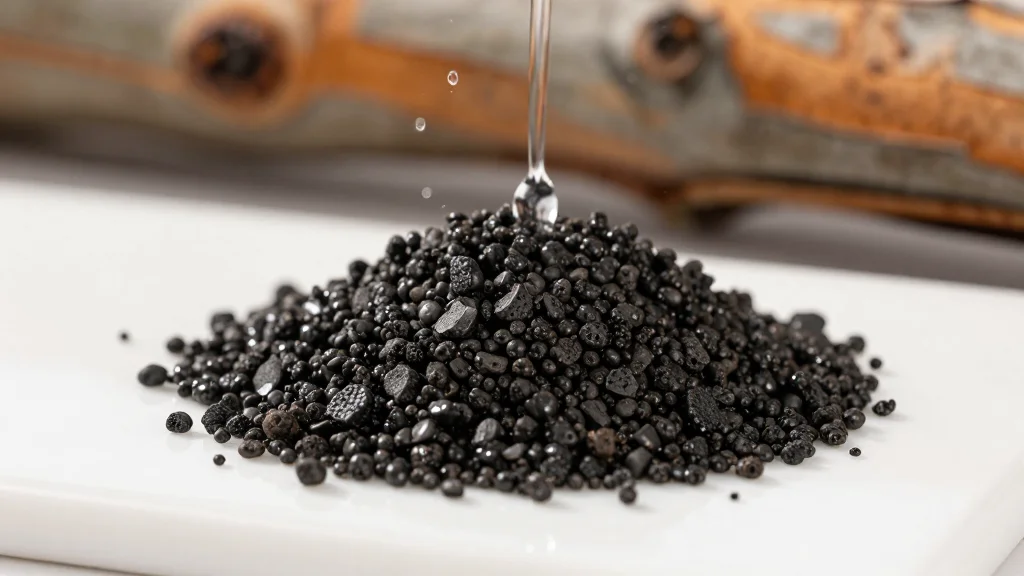
Eucalyptus Bark a Natural Fit as a Filter
Why It Matters
The breakthrough provides a sustainable, cost‑effective filter solution for industries facing tightening environmental regulations, especially mining and water treatment sectors. By turning a waste product into high‑performance material, it advances circular‑economy goals and reduces reliance on fossil‑based adsorbents.
Key Takeaways
- •RMIT converts eucalyptus bark into porous carbon filter material.
- •Material removes 90% of heavy metals from contaminated water.
- •Air filtration tests show 80% reduction of particulate matter.
- •Carbon capture potential comparable to activated charcoal.
- •Low-cost, sustainable alternative to synthetic filters.
Pulse Analysis
Eucalyptus bark, a by‑product of Australia’s prolific gum‑tree plantations, is emerging as a green raw material for environmental remediation. Researchers at RMIT University have refined a one‑step pyrolysis technique that converts the fibrous bark into a high‑surface‑area carbon scaffold. Unlike traditional activated carbon, which requires energy‑intensive processing and non‑renewable feedstocks, this bark‑derived material capitalises on a readily available, fast‑growing resource, aligning with ESG objectives and reducing supply‑chain carbon footprints.
Performance testing reveals the bark‑based carbon excels in three key domains. In aqueous environments, it adsorbs up to 90 % of heavy metals such as lead and cadmium, outperforming many commercial filters while operating at ambient temperature. Air‑filtration trials demonstrate an 80 % drop in particulate matter, and the material’s porous structure enables CO₂ uptake levels on par with activated charcoal, making it suitable for industrial emissions control. The simplicity of the production process also translates to lower capital expenditures, positioning the technology as a viable option for mining operations that must treat tail‑water and manage dust.
For the mining sector, where water scarcity and air quality are mounting concerns, the bark‑derived filter offers a dual benefit: compliance with stricter environmental standards and cost savings through waste valorisation. Its adoption could spur new revenue streams for forestry owners and create a circular‑economy loop between timber production and mineral processing. As regulatory pressure intensifies and investors demand greener practices, technologies that turn agricultural residues into high‑value environmental solutions are likely to attract both funding and market interest. Continued scaling and field trials will determine the material’s readiness for commercial deployment, but the early results suggest a promising pathway toward more sustainable resource extraction.
Eucalyptus bark a natural fit as a filter
Comments
Want to join the conversation?
Loading comments...