Companies Mentioned

Why It Matters
Plume detection would enable low‑cost sampling of Europa’s ocean, a key astrobiology target; their apparent absence reshapes mission strategies and timelines for life‑search efforts.
Key Takeaways
- •Hubble data 2013‑2020 shows no repeatable Europa plume signatures
- •Original UV excess likely due to Europa’s hydrogen exosphere, not jets
- •Plume absence limits near‑term sampling opportunities for Europa’s subsurface ocean
- •Europa Clipper, launching 2024, will carry instruments to detect faint plumes
- •Researchers caution that smaller, undetectable plumes may still exist
Pulse Analysis
Europa remains a prime candidate in the search for extraterrestrial life because of its global ocean beneath a thick ice shell. Early Hubble observations in 2013 sparked excitement by hinting at transient water vapor jets that could provide a shortcut to sampling the hidden sea. Those initial detections were based on excess ultraviolet emissions around the moon’s south pole, a finding that quickly influenced mission concepts and public expectations about a relatively easy path to biosignature analysis.
The latest analysis, covering twenty Hubble visits from 2013 to 2020 and three historic datasets, applies refined image‑registration techniques and incorporates the now‑well‑characterized hydrogen exosphere surrounding Europa. By tightening the positional accuracy to within a pixel, the researchers eliminated the spurious signal that had been misread as plume activity. Their conclusion—that the ultraviolet excess was most likely a product of the exosphere rather than active water jets—recalibrates the scientific community’s assessment of Europa’s surface‑ocean exchange processes. It also underscores the challenges of detecting faint, intermittent phenomena from Earth‑orbiting observatories.
Looking ahead, the Europa Clipper mission will carry a suite of high‑resolution spectrometers, ice‑penetrating radar, and a mass spectrometer capable of sniffing out trace gases at the moon’s limb. These instruments are designed to detect even subtle plume signatures that eluded Hubble, offering a definitive test of whether Europa still vents water into space. Confirmed plumes would dramatically lower the cost and risk of sampling Europa’s ocean, while their continued absence would reinforce the need for lander or drill technologies. Either outcome will shape the next generation of astrobiology missions and inform budgetary decisions across NASA and international partners.
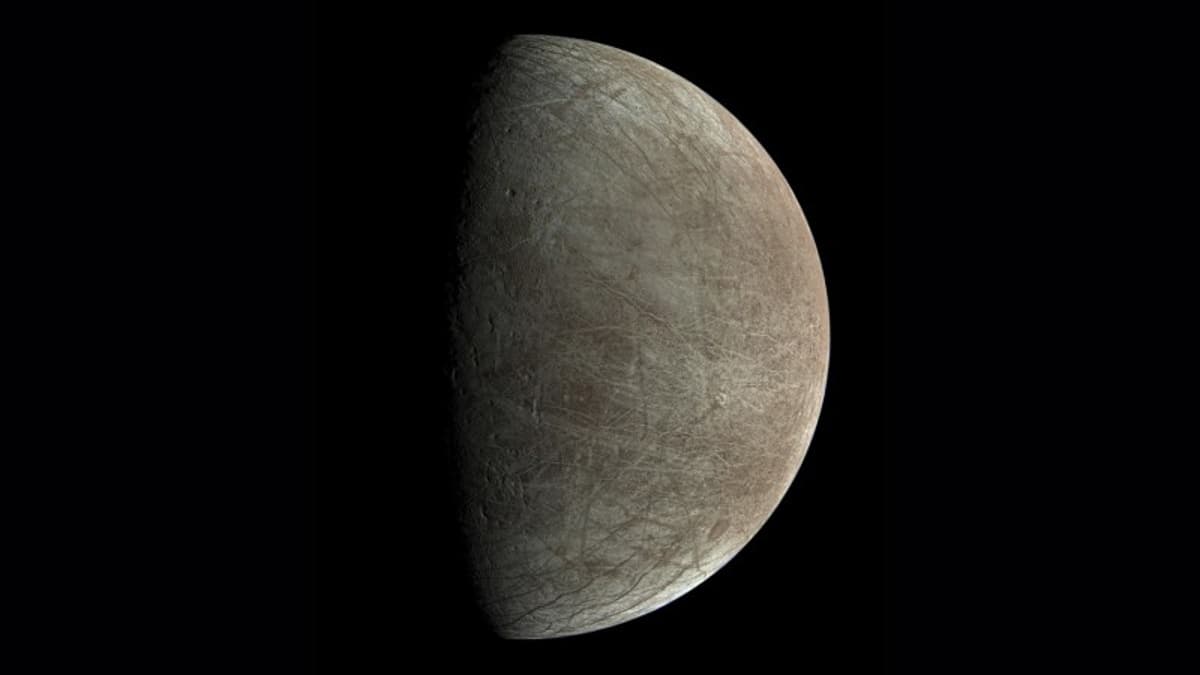
Europa may not vent water into space after all
Comments
Want to join the conversation?
Loading comments...