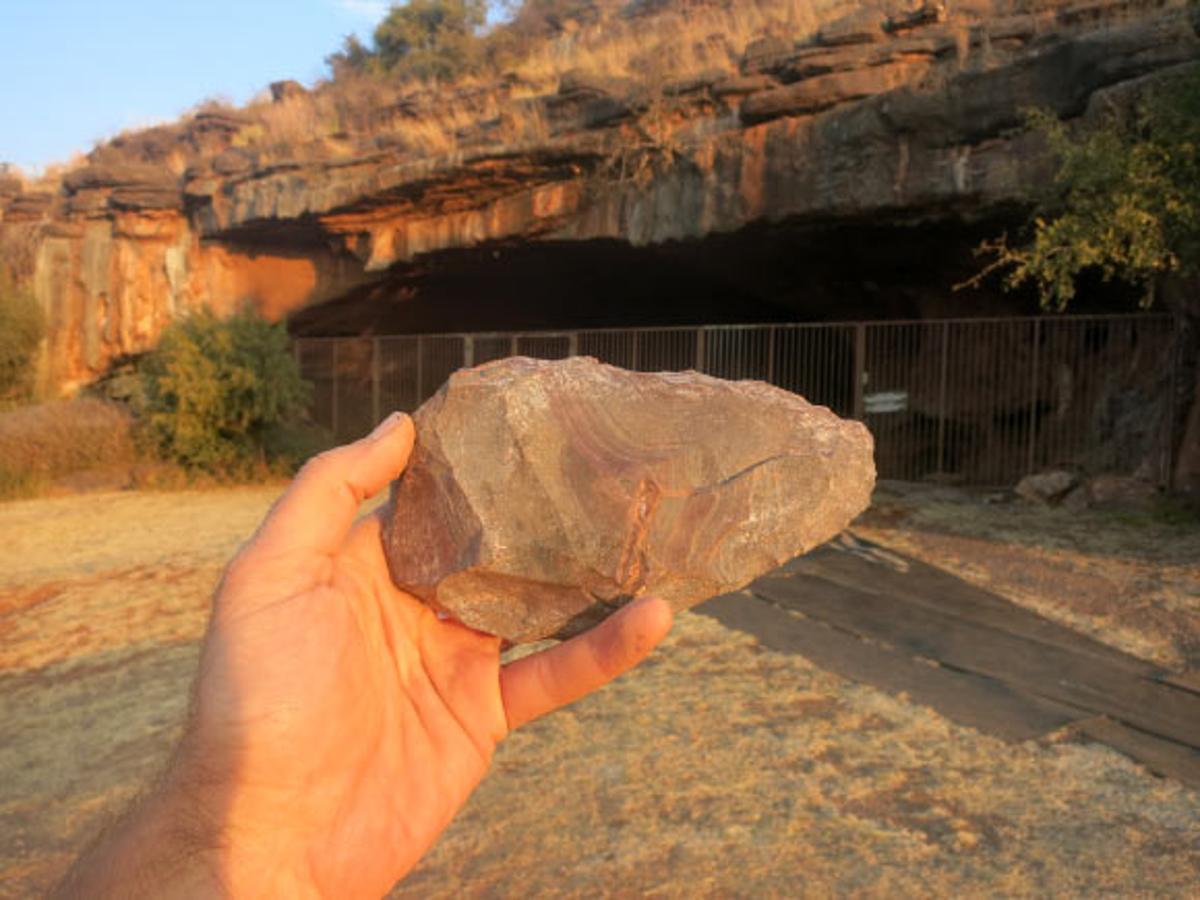
Evidence of Fire Use by Early Humans May Date Back Nearly 1.8 Million Years
Why It Matters
The discovery reshapes timelines for controlled fire, a cornerstone of human evolution, suggesting Homo erectus mastered fire transport long before inventing fire‑making. It deepens our understanding of early hominin adaptation and cultural development.
Key Takeaways
- •Burned bones dated 1.79 million years found in Wonderwerk Cave
- •Likely Homo erectus transported fire from wildfires into the cave
- •New luminescence technique detects heat exposure on fossil bones
- •Findings push earliest controlled fire use back by ~800,000 years
- •Evidence suggests intermediate fire behavior before true fire‑making
Pulse Analysis
The emergence of fire control is often cited as a pivotal leap in human evolution, yet pinpointing its origins has remained contentious. Prior to this study, the oldest widely accepted evidence of fire use hovered around one million years, primarily based on ambiguous ash layers and heated sediments. By uncovering definitively burned bones deep within Wonderwerk Cave, researchers provide a tangible, datable marker that predates earlier claims by several hundred thousand years, compelling scholars to revisit models of early hominin subsistence and habitat use.
Central to the breakthrough is a non‑destructive luminescence technique that excites fossil bone surfaces with specific wavelengths, causing heat‑altered minerals to emit a characteristic glow. Coupled with traditional chemical assays, this method distinguishes genuine fire exposure from post‑depositional alterations. The stratigraphic context—Acheulean stone tools interleaved with the charred remains and an absence of sediment transport—strengthens the argument that Homo erectus actively introduced fire into the cave rather than merely encountering natural wildfires. This nuanced behavior suggests a transitional stage between passive fire observation and deliberate fire production.
The implications extend beyond chronology. If early Homo erectus could capture and sustain fire, they would have benefited from improved nutrition through cooked food, enhanced protection from predators, and expanded activity periods after dark. Such advantages likely accelerated brain development and social complexity, laying groundwork for later technological innovations. Moreover, the study underscores the importance of interdisciplinary tools—optical physics, geochemistry, and archaeology—in unraveling deep‑time human behavior, setting a precedent for future investigations into our species' formative milestones.
Evidence of Fire Use by Early Humans May Date Back Nearly 1.8 Million Years
Comments
Want to join the conversation?
Loading comments...