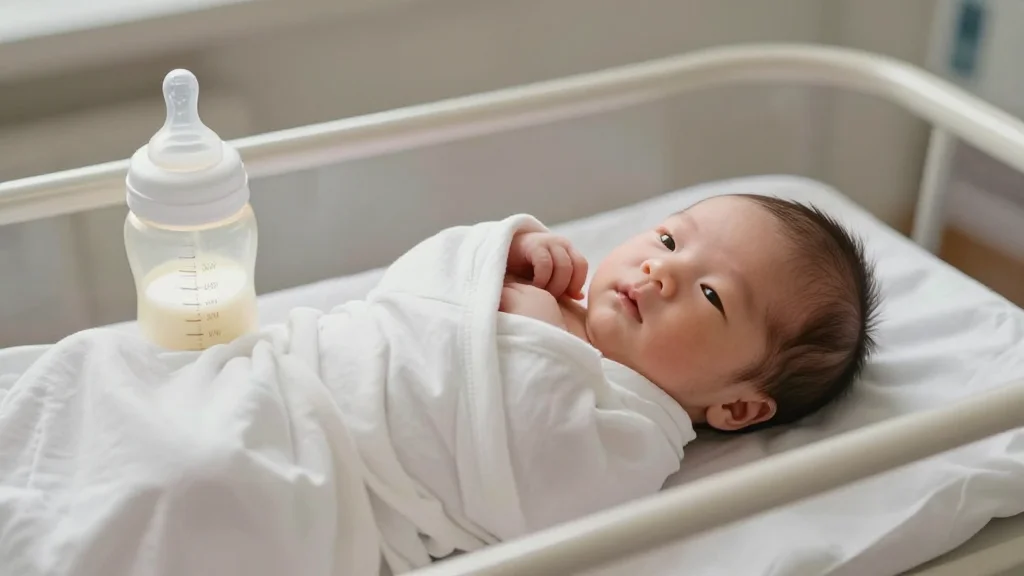
Exclusive Human Milk Diet Benefits Very Low Birth Weight Infants
Why It Matters
The trial provides robust clinical evidence that exclusive human milk feeding can become the new standard for VLBW care, influencing hospital policies, lactation support investment, and global neonatal nutrition guidelines.
Key Takeaways
- •Exclusive human milk diet increased growth velocity in VLBW infants
- •NEC and sepsis rates fell under exclusive human milk feeding
- •Study eliminated bovine protein fortifiers, using only human-derived nutrients
- •Findings support scaling human milk banks in NICUs worldwide
Pulse Analysis
The Japanese phase III trial arrives at a pivotal moment for neonatal nutrition, offering the first large‑scale, randomized proof that an exclusive human milk diet outperforms traditional mixed feeding. While formula supplementation has long been justified by its predictable nutrient profile, the study highlights human milk’s unique bioactive compounds—immunoglobulins, oligosaccharides, and growth factors—that directly enhance anabolism and gut integrity in preterm infants. By quantifying growth velocity gains and documenting a clear drop in necrotizing enterocolitis and sepsis, the research bridges the gap between biological plausibility and measurable clinical outcomes.
Beyond the immediate health benefits, the findings carry significant economic and operational implications. Reducing NEC and sepsis translates into shorter intensive‑care stays, fewer surgical interventions, and lower long‑term disability costs—factors that health systems and insurers closely monitor. However, scaling exclusive human milk feeding demands robust infrastructure: donor milk banks, standardized pasteurization processes that preserve bioactivity, and coordinated lactation support. Policymakers can leverage the trial’s cost‑effectiveness argument to justify investments in these services, especially in regions where preterm birth rates are rising.
Looking ahead, the study sets a research agenda for exploring personalized milk fortification, genetic interactions with milk bioactives, and longitudinal neurodevelopmental outcomes. As more NICUs adopt exclusive human milk protocols, real‑world data will refine dosage guidelines and identify any remaining gaps. For clinicians, the evidence now supports a decisive shift toward prioritizing human milk as the default nutrition for VLBW infants, aligning clinical practice with a growing body of science that positions breast milk as a therapeutic agent rather than merely a nutritional option.
Exclusive Human Milk Diet Benefits Very Low Birth Weight Infants
Comments
Want to join the conversation?
Loading comments...