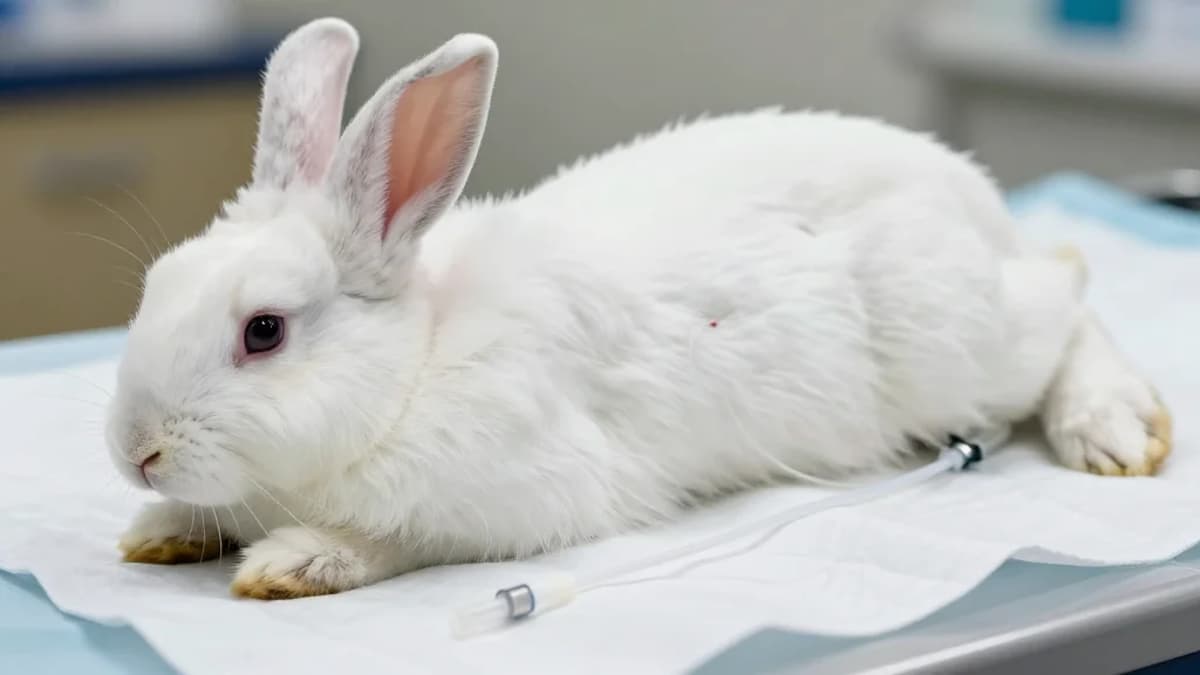
Experimental Study on the Construction of a Rabbit Biliary Stent Model via Transduodenal Puncture and the Placement of an Modified Intravenous Catheter
•March 12, 2026
0
Why It Matters
The model provides a reliable, low‑cost animal system for testing biliary stent designs, accelerating translational research and reducing reliance on larger, more expensive species.
Key Takeaways
- •86.7% stent placement success in rabbits
- •Minimal severe complications; mild inflammation observed
- •Biochemical markers normalized by postoperative day 14
- •Model enables testing of biliary stent technologies
- •Transduodenal approach reduces surgical invasiveness
Pulse Analysis
Pre‑clinical evaluation of biliary stents has long been hampered by the lack of a small‑animal model that accurately reproduces human biliary anatomy and pathology. Large mammals such as pigs offer anatomical similarity but entail high costs, extensive facilities, and ethical concerns. The New Zealand rabbit, with its manageable size and well‑characterized hepatic physiology, fills this gap when equipped with a transduodenal puncture technique and a repurposed intravenous catheter, delivering a minimally invasive yet anatomically relevant stent environment.
In the study, fifteen rabbits underwent transduodenal catheter placement, achieving an 86.7% success rate. Intra‑operative bleeding forced exclusion of two subjects, while postoperative bile reflux and localized infection affected less than a third of the cohort, all of which resolved without severe tissue damage. Biochemical monitoring revealed transient elevations in ALT, AST, and total bilirubin that normalized by day 14, confirming the model’s physiological resilience. Histopathology showed only mild mucosal inflammation, indicating that the modified catheter does not provoke aggressive foreign‑body reactions, a crucial factor for longitudinal device testing.
The implications for the medical device industry are significant. A reliable rabbit biliary stent model enables rapid iteration of stent materials, coatings, and delivery systems before advancing to larger animal trials or human studies. This accelerates regulatory pathways, reduces development costs, and supports more ethical research practices by limiting the use of higher‑order species. Moreover, the model can be adapted to investigate stent‑related complications such as occlusion, migration, and tissue hyperplasia, providing comprehensive data that inform both product design and clinical guidelines.
Experimental study on the construction of a rabbit biliary stent model via transduodenal puncture and the placement of an modified intravenous catheter
0
Comments
Want to join the conversation?
Loading comments...