Why It Matters
The finding reshapes our understanding of bear dietary flexibility and illustrates how niche specialization can influence species survival, offering insights into past ecosystem dynamics and informing modern conservation strategies.
Key Takeaways
- •Atlas bears were strict herbivores, unlike modern brown bears
- •Isotopic analysis shows nitrogen levels lower than local herbivores
- •Herbivorous diet likely avoided competition with lions and hyenas
- •No fish consumption detected despite coastal habitat
- •Findings illuminate niche partitioning in Pleistocene North Africa
Pulse Analysis
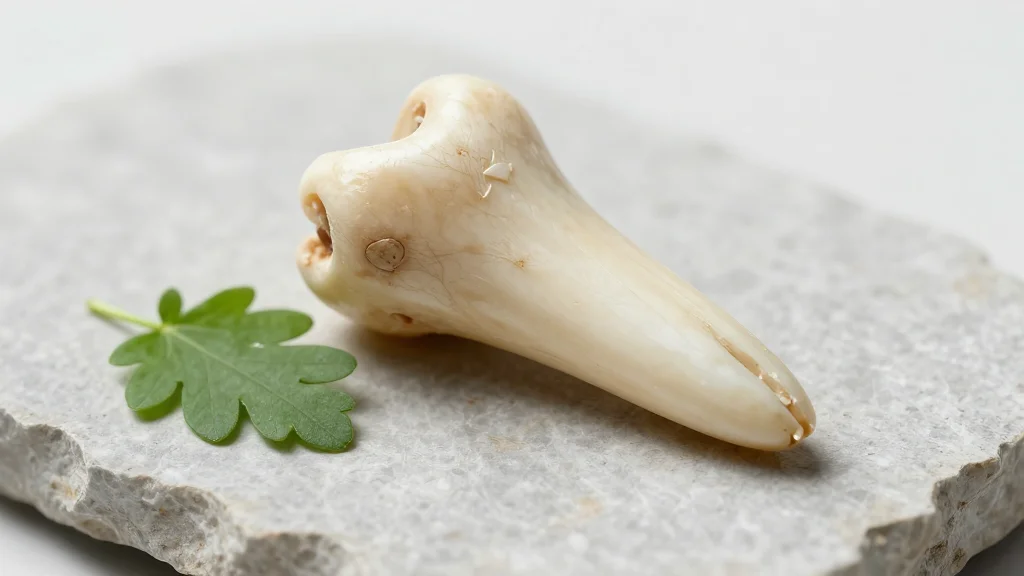
The Atlas bear (Ursus arctos crowtheri) has long been a footnote in paleontological literature, known mainly for its distinctive morphology and eventual disappearance. By extracting preserved collagen from fossils dated 11,000 to 10,000 years ago, scientists applied carbon and nitrogen isotope analysis—a proven method for reconstructing ancient diets. The results revealed nitrogen levels even lower than those of contemporary herbivores such as sheep and antelope, unequivocally pointing to a plant‑centric diet. This contrasts sharply with the opportunistic omnivory of today’s brown bears, underscoring the remarkable dietary plasticity within the species.
Ecologically, the Atlas bear’s herbivory likely served as a strategic adaptation to coexist with apex predators that dominated North Africa’s Pleistocene landscapes. By forgoing meat, the bears reduced direct competition with lions, leopards, and hyenas, carving out a niche that centered on legumes, heaths, and other vegetation. Such niche partitioning mirrors patterns observed in other bear lineages: when the hypercarnivorous short‑faced bear vanished in North America, brown bears expanded their meat intake, while the extinction of herbivorous cave bears in Europe prompted modern brown bears to increase carnivory. The Atlas bear thus exemplifies how dietary shifts can be both a response to and a driver of ecosystem change.
Beyond academic intrigue, this discovery carries broader implications for conservation biology. Understanding the conditions that allowed a bear subspecies to thrive on a strict herbivorous regime highlights the importance of habitat diversity and resource availability. As climate change reshapes habitats worldwide, modern bear populations may need to adjust their foraging strategies, much like their extinct relatives did millennia ago. The Atlas bear’s story reinforces the value of paleoecological research in forecasting how large mammals might navigate future ecological pressures.
Extinct brown bear had a surprising diet
Comments
Want to join the conversation?
Loading comments...