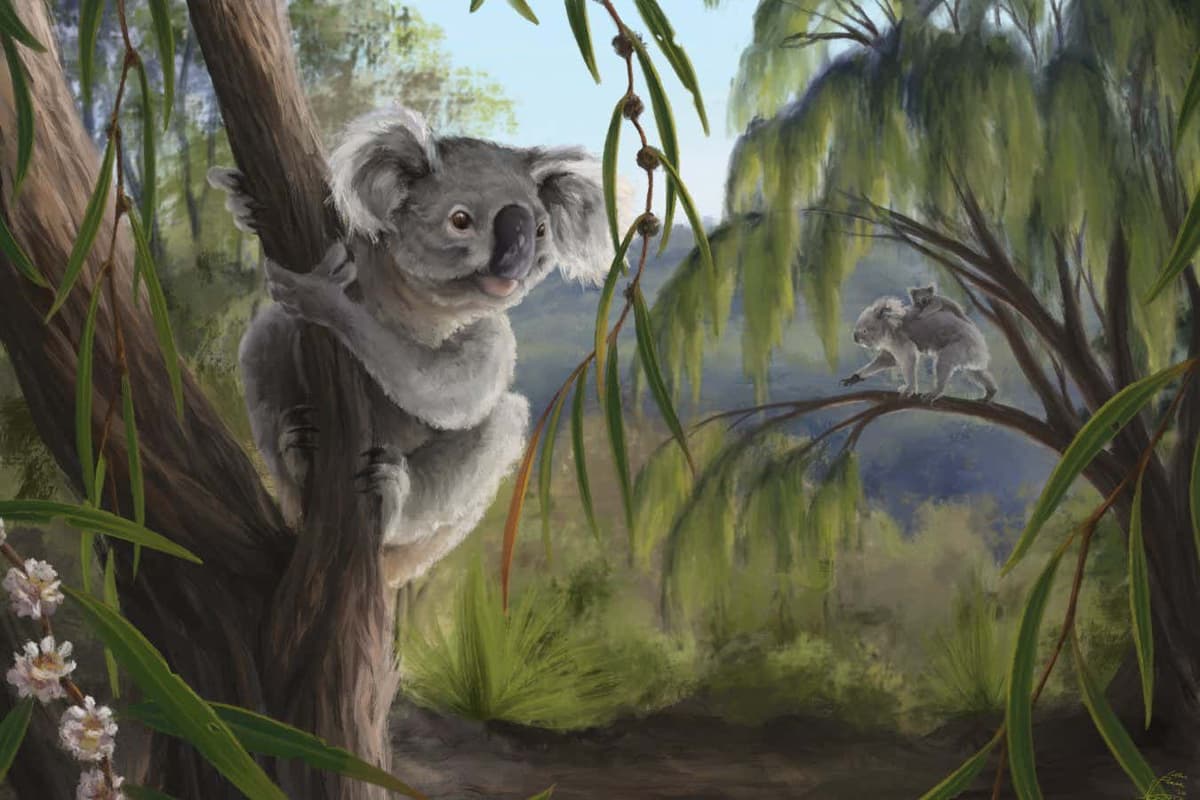
Extinct Relative of Koalas Discovered in Western Australia
Why It Matters
The discovery shows that Australia once hosted multiple koala lineages, highlighting how past climate shifts reshaped its fauna and informing current conservation strategies for the threatened eastern koala.
Key Takeaways
- •New species *Phascolarctos sulcomaxillaris* identified from Western Australian fossils
- •Fossils date between 137,000 and 31,000 years, showing long coexistence
- •Distinctive skull and jaw traits suggest different chewing mechanics
- •Drier climate 30,000 years ago likely drove species' extinction
- •Discovery reshapes understanding of pre‑colonial Australian megafauna diversity
Pulse Analysis
The Western Australian Museum’s recent paper adds a new chapter to Australia’s paleontological record by confirming the existence of *Phascolarctos sulcomaxillaris*, a koala that once roamed the continent’s arid west. The species was distinguished through a suite of skeletal features—shorter skulls, larger teeth and a unique cheek groove—that point to a chewing style adapted to the local eucalyptus flora. These fossils, spanning from 137,000 to 31,000 years ago, provide a rare, well‑dated window into marsupial evolution before human settlement, underscoring the depth of biodiversity that once existed across the continent.
Morphologically, the western koala’s reduced jaw muscles and altered dentition suggest it processed tougher, perhaps less nutritious leaves than its eastern counterpart. Such adaptations hint at a distinct ecological niche, likely tied to the drier, more open woodlands that characterized southwestern Australia during the late Pleistocene. When the region’s climate shifted toward aridity and forest cover vanished roughly 30,000 years ago, *P. sulcomaxillaris* could not survive, joining a wave of megafaunal extinctions that also claimed thylacines and giant marsupials. This pattern illustrates how rapid environmental change can outpace species’ ability to adapt, a lesson that resonates with today’s climate challenges.
For modern conservation, the find reinforces the fragility of specialized marsupials like the eastern koala, which now faces habitat loss, disease and vehicle strikes. Understanding past extinction drivers helps refine predictive models for current threats and may guide habitat restoration efforts. Moreover, the discovery sparks interest in extracting ancient DNA, which could illuminate evolutionary relationships and inform breeding programs. As scientists continue to unearth Australia’s hidden fossil troves, each new species reshapes our narrative of the continent’s ecological heritage and underscores the urgency of protecting its remaining wildlife.
Extinct relative of koalas discovered in Western Australia
Comments
Want to join the conversation?
Loading comments...