Extreme Heat Is a Growing Threat to Health, Jobs and Food Security in Southern Africa – Study Looks for Practical Solutions
Key Takeaways
- •Temperatures up 1‑1.5 °C since 1961; 4.5‑5 °C by 2050
- •Heat intensifies cardiovascular, respiratory and kidney disease risks
- •Outdoor laborers face higher illness rates and productivity loss
- •Early‑warning alerts and climate‑proof clinics cut heat‑related deaths
- •South Africa, Malawi, Namibia pilot heat‑adaptation initiatives
Pulse Analysis
Southern Africa is warming faster than many parts of the world, with surface temperatures already 1‑1.5 °C above 1961 baselines and projections of an additional 4.5‑5 °C by mid‑century under business‑as‑usual emissions. Researchers from the Academy of Science of South Africa (ASSAf) argue that heat should be treated as an “integrator hazard” – a multiplier that intensifies existing climate stresses rather than a stand‑alone weather event. This framing aligns with emerging scientific consensus that extreme heat drives dehydration, heat‑stroke and exacerbates cardiovascular, respiratory and renal diseases, placing a hidden burden on health systems already stretched by infectious disease outbreaks.
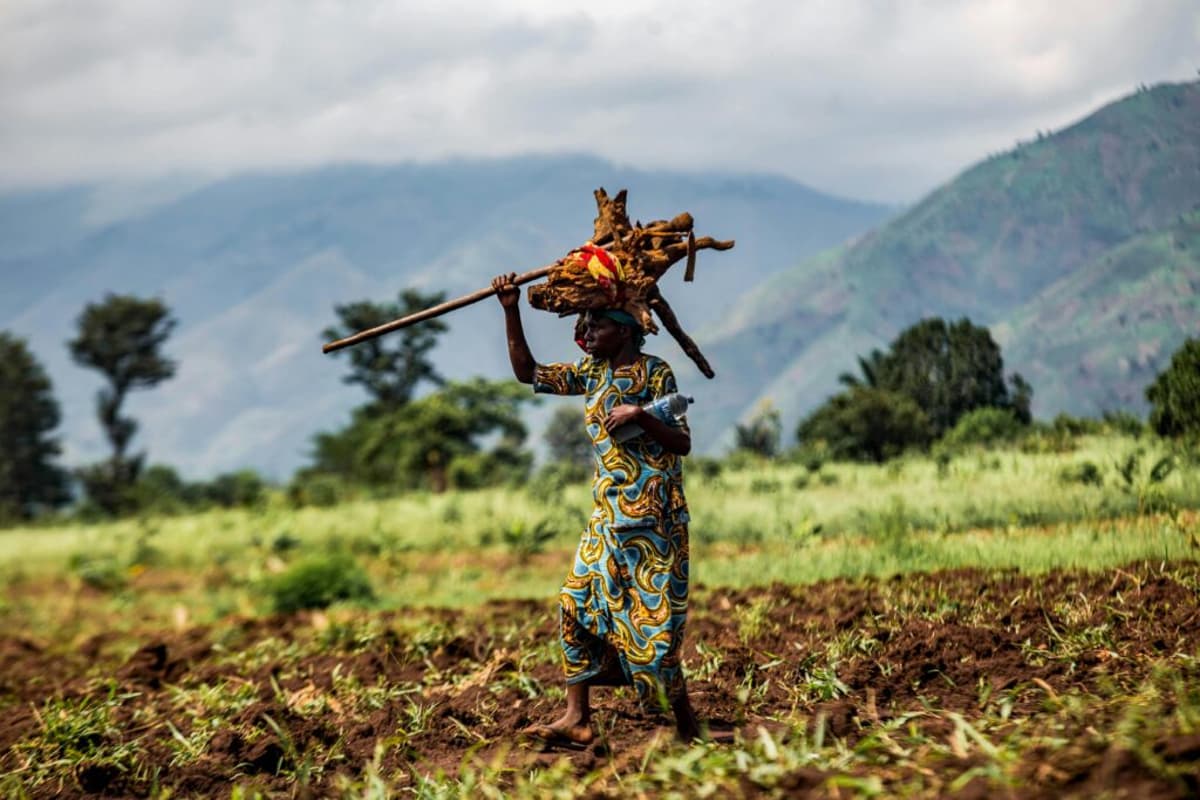
The health threat is unevenly distributed. Residents of informal settlements, households without reliable electricity, and communities facing chronic water scarcity bear the brunt, while outdoor workers—from farm laborers to market vendors—experience higher rates of illness and reduced productivity. Heat also degrades crop yields, lowers nutrient quality, and shortens the shelf life of perishable foods, threatening food security for the region’s 400 million people. These compounded pressures create a feedback loop: reduced labor capacity hampers agricultural output, which in turn deepens poverty and limits resources for adaptation.
Policy responses must move beyond generic advice to drink water. The ASSAf report recommends locally tailored early‑warning systems, systematic tracking of heat‑related morbidity, and climate‑resilient health facilities equipped with reliable power and cooling. Protecting workers through mandated rest breaks, shade structures and adjusted schedules can preserve productivity. Early pilots in South Africa’s heat‑health surveillance, Malawi’s climate‑smart farming, and Namibia’s community water management demonstrate scalable solutions. Coordinated action across the Southern African Development Community—linking meteorology, health, labor and emergency services—offers both a public‑health safeguard and an investment opportunity for firms developing cooling technologies and resilient infrastructure.
Extreme heat is a growing threat to health, jobs and food security in southern Africa – study looks for practical solutions
Comments
Want to join the conversation?