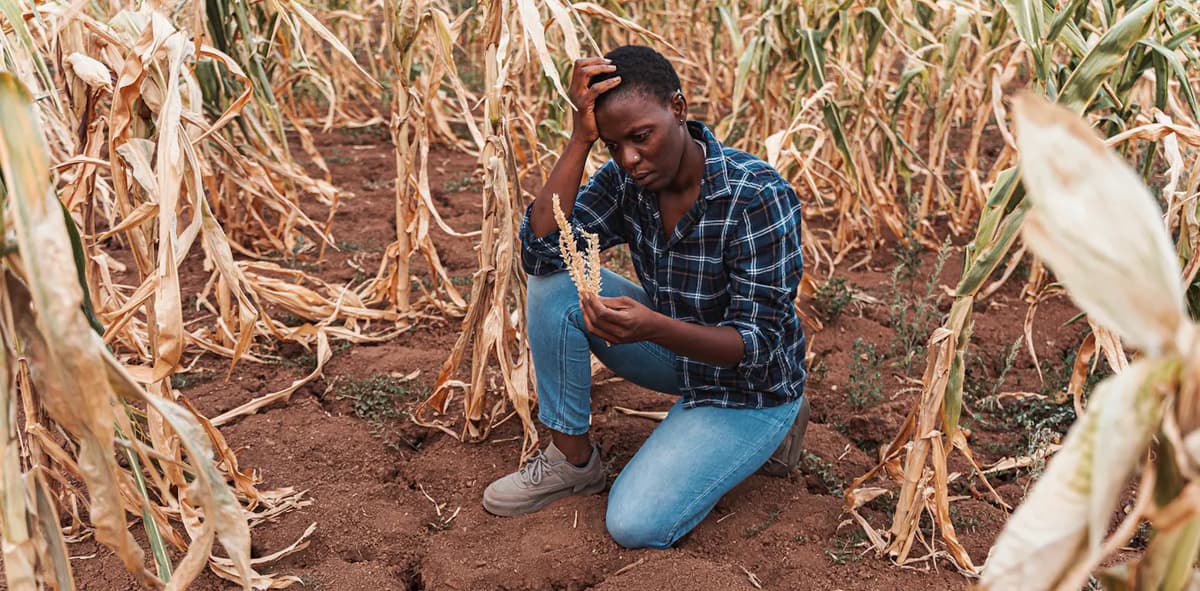
Extreme Heat Is a Growing Threat to Health, Jobs and Food Security in Southern Africa – Study Looks for Practical Solutions
Why It Matters
Because heat amplifies existing vulnerabilities, it jeopardizes livelihoods and public‑health systems in a region contributing less than 1.3 % of global emissions. Prompt, coordinated action can prevent escalating mortality, economic loss, and food‑insecurity across 400 million people.
Key Takeaways
- •Extreme heat threatens health, jobs, and food security in S. Africa
- •Temperatures rose 1‑1.5 °C since 1961; 4.5‑5 °C projected by 2050
- •Heat acts as an “integrator hazard,” amplifying existing risks
- •Vulnerable groups lack cooling, electricity, and safe housing
- •Governments urged to adopt early warnings, resilient clinics, and worker protections
Pulse Analysis
Southern Africa is entering a climate inflection point where heat is no longer a seasonal inconvenience but a systemic hazard. While the region contributes under 1.3 % of global greenhouse‑gas emissions, average temperatures have already climbed 1‑1.5 °C since the early 1960s, and high‑emission scenarios forecast an additional 4.5‑5 °C by mid‑century. This trajectory pushes heat beyond physiological thresholds, turning it into an "integrator hazard" that simultaneously stresses water supplies, power grids, and air quality, while accelerating the degradation of crops and livestock. The compounded effect erodes resilience across health, agriculture, and infrastructure sectors.
The human toll is sharply uneven. Informal settlements, where shade, ventilation, and reliable electricity are scarce, become heat traps that exacerbate dehydration, heat‑stroke, and chronic illnesses such as cardiovascular and renal disease. Outdoor laborers—from subsistence farmers to construction crews—face reduced productivity, forced work stoppages, or dangerous overtime, directly threatening household incomes. Children walking long distances to school and pregnant women experience heightened risks of premature birth and low birth weight, underscoring the intergenerational dimension of the crisis. Food‑security is also at stake as perishable goods spoil faster and crop yields decline, inflating prices for already vulnerable consumers.
Policy responses must move from reactive advice to structural safeguards. Early‑warning platforms that integrate meteorological data with health surveillance can trigger timely interventions, while climate‑resilient clinics equipped with backup power and cooling protect critical services during peaks. Labor regulations that mandate shaded rest areas, scheduled breaks, and flexible hours reduce occupational exposure. Urban planning that incorporates green corridors, reflective building materials, and community cooling centers can lower ambient temperatures for dense neighborhoods. Early examples from South Africa’s heat‑health guidelines, Malawi’s climate‑smart agriculture, and Namibia’s community water management illustrate scalable pathways, but scaling them regionally will require coordinated funding, cross‑border data sharing, and strong political commitment. The cost of inaction now far outweighs the investment needed to safeguard health, economies, and food systems across the Southern African Development Community.
Extreme heat is a growing threat to health, jobs and food security in southern Africa – study looks for practical solutions
Comments
Want to join the conversation?
Loading comments...