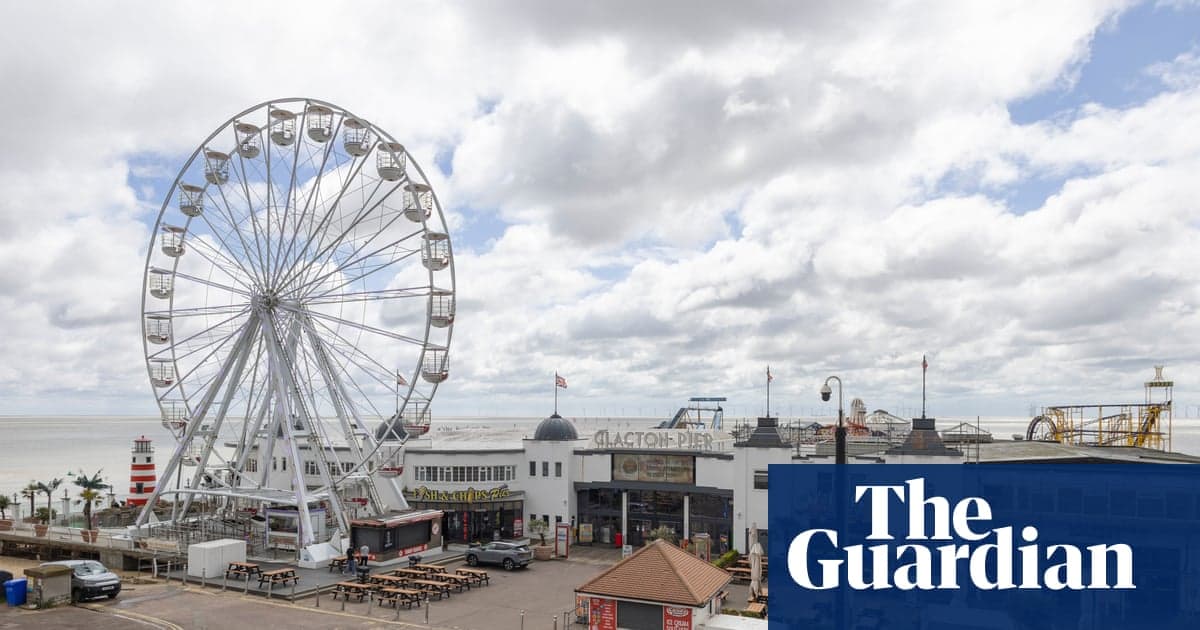
Farage’s Clacton-on-Sea Constituency Worst ‘Tree Desert’ in England, Research Shows
Why It Matters
Limited urban tree cover directly harms public health and deepens socioeconomic disparities, prompting urgent policy action to improve green infrastructure in deprived communities.
Key Takeaways
- •Clacton‑on‑Sea ranks worst in England for tree equity (98.2% lacking).
- •North‑east England contains 13 of the 15 poorest tree‑cover towns.
- •Tree deserts increase heat, pollution, asthma, and heart disease risk.
- •Wealthier neighborhoods enjoy higher tree density, widening health inequities.
- •Woodland Trust urges embedding tree equity in urban planning and funding.
Pulse Analysis
Tree equity, the measure of whether residents have sufficient access to urban greenery, has emerged as a critical public‑health metric. The Woodland Trust’s latest analysis flags Clacton‑on‑Sea as a "tree desert," where nearly all households lack the cooling shade, air‑filtering benefits, and mental‑health boosts that trees provide. Scientific studies link sparse canopy cover to higher ambient temperatures, elevated particulate matter, and increased rates of asthma and cardiovascular disease, underscoring the tangible health costs of green‑space deprivation.
The report also maps a pronounced north‑south gradient in tree equity across England. While London boroughs such as Lambeth and Hackney enjoy dense, well‑maintained street trees, the north‑east hosts a concentration of the nation’s most underserved communities, including Hartlepool and several towns in Essex. This geographic split mirrors broader socioeconomic patterns: affluent areas can fund planting and maintenance, whereas deprived neighborhoods often face budget constraints and competing development pressures. Embedding tree equity into local planning policies, as advocated by the Woodland Trust, could help close this gap by mandating minimum canopy standards and allocating dedicated funding streams.
Local authorities are already experimenting with community‑led planting schemes, grant‑backed tree‑challenge funds, and school‑based greening projects. In Tendring, for example, over 40,000 trees have been added through collaborative initiatives. However, planting alone is insufficient; long‑term stewardship, protection from indiscriminate felling, and integration with climate‑resilience strategies are essential. By prioritizing tree equity, cities can simultaneously address health inequities, mitigate flood risk, and meet broader sustainability goals, turning today’s "tree deserts" into resilient, livable neighborhoods.
Farage’s Clacton-on-Sea constituency worst ‘tree desert’ in England, research shows
Comments
Want to join the conversation?
Loading comments...