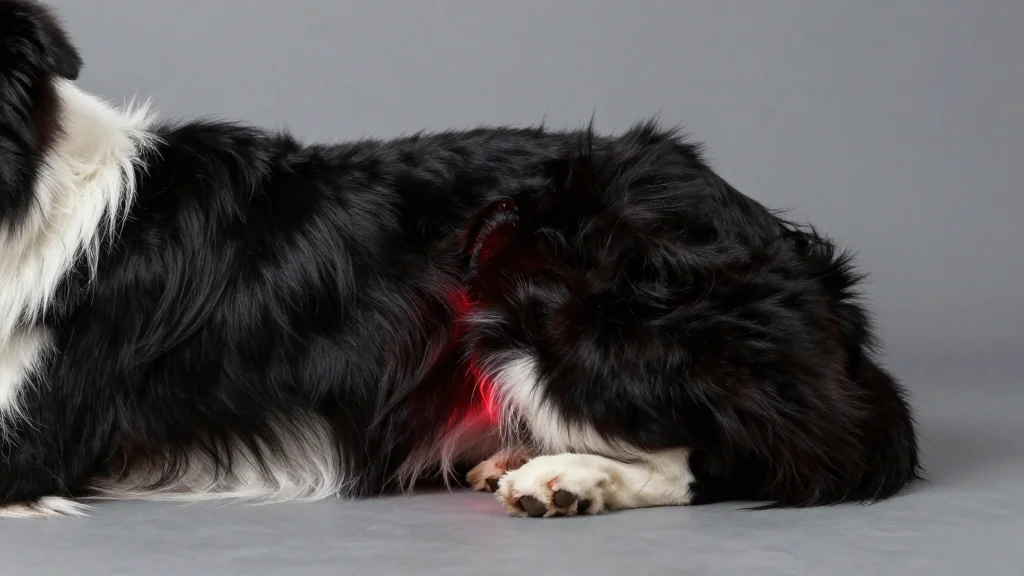
Favorable Long-Term Functional Outcome Following Left-Sided Compartmental Epaxial Muscle Resection (T13-L7) for a Longissimus Lumborum Liposarcoma in a Dog: A Case Report
Why It Matters
The case provides evidence that aggressive, unilateral epaxial resections are viable for canine paraspinal sarcomas, expanding treatment options while preserving quality of life.
Key Takeaways
- •Liposarcoma in canine epaxial muscles is extremely rare
- •Unilateral compartmental excision removed three lumbar muscle groups
- •Intra‑operative blood loss required transfusion but was controlled
- •Post‑op weakness and scoliosis resolved within months
- •No tumor recurrence observed after 16‑month follow‑up
Pulse Analysis
Intramuscular liposarcomas in dogs, especially within the epaxial musculature, represent a diagnostic and therapeutic niche rarely documented in veterinary literature. Their infiltrative nature typically prompts recommendations for wide excision, yet the extent of muscle loss raises concerns about postoperative mobility and owner satisfaction. Traditional approaches have favored conservative margins to preserve function, but emerging imaging techniques now allow precise delineation of tumor boundaries, opening the door for more aggressive resections when warranted.
The Border Collie case illustrates that a unilateral compartmental excision—removing the multifidus, longissimus, and iliocostalis muscles on one side—can be performed safely despite significant intra‑operative hemorrhage, which was mitigated with a blood transfusion and intensive monitoring. Post‑operative complications were limited to transient hind‑limb weakness and compensatory scoliosis, both of which improved as the contralateral musculature adapted. At 16 months, the dog exhibited normal activity levels and no radiographic evidence of recurrence, suggesting that functional outcomes can remain robust even after extensive muscle sacrifice.
For veterinary oncologists and surgeons, this outcome supports a shift toward more definitive surgical margins for selected paraspinal sarcomas, balancing oncologic control with functional preservation. Owners can be counseled that, while the procedure entails short‑term risks such as blood loss and temporary gait changes, the long‑term prognosis for quality of life may be favorable. Future research should focus on larger case series to refine patient selection criteria, assess rehabilitation protocols, and quantify long‑term musculoskeletal adaptations following unilateral epaxial resections.
Favorable long-term functional outcome following left-sided compartmental epaxial muscle resection (T13-L7) for a longissimus lumborum liposarcoma in a dog: a case report
Comments
Want to join the conversation?
Loading comments...