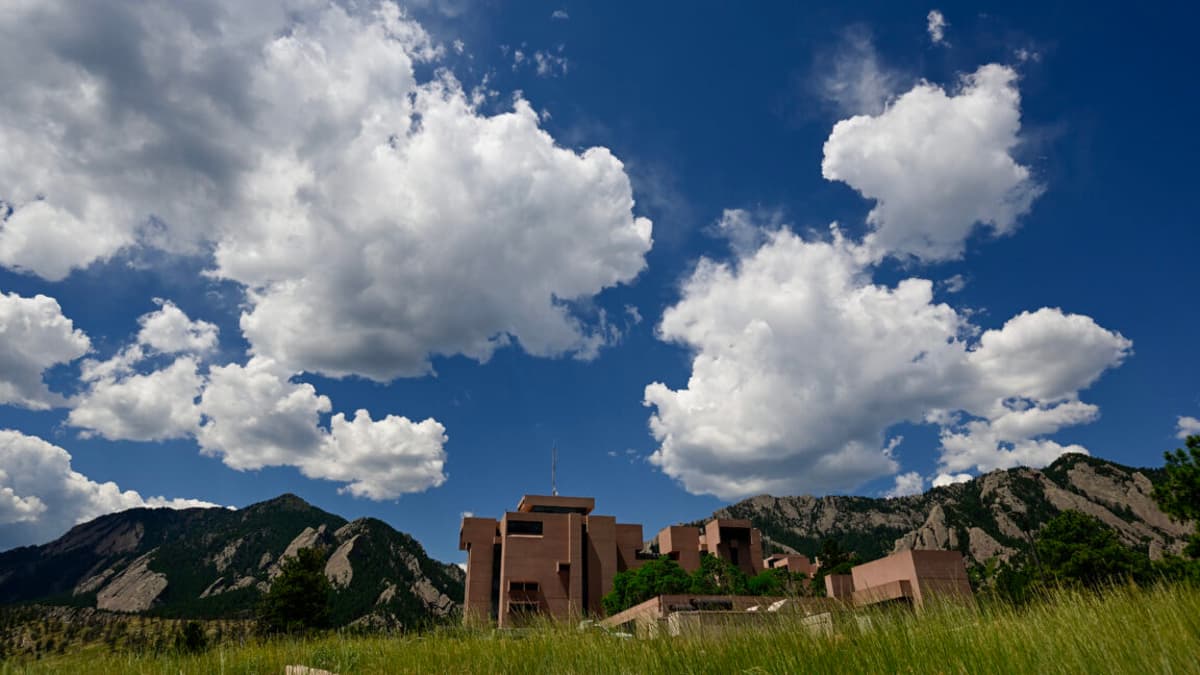
Feds Failing in Bid to Take a Supercomputer From a Climate Research Center
Why It Matters
The ruling safeguards a critical climate‑modeling supercomputer, preserving research capacity and preventing abrupt loss of highly specialized staff. It also reinforces legal limits on federal agencies’ ability to dismantle Federally‑Funded Research and Development Centers without proper procedure.
Key Takeaways
- •UCAR wins preliminary injunction halting supercomputer transfer.
- •Judge cites arbitrary‑capricious violation of Administrative Procedures Act.
- •NCAR’s staff attrition threatens critical climate modeling capacity.
- •Future threats include splitting NCAR and selling Boulder headquarters.
Pulse Analysis
The National Center for Atmospheric Research (NCAR) operates as a Federally‑Funded Research and Development Center, providing unique high‑performance computing resources essential for climate modeling, atmospheric chemistry, and weather prediction. Its Wyoming supercomputing center, one of the world’s most powerful climate research platforms, supports thousands of researchers worldwide. When the Trump administration moved to reassign this asset, it bypassed the standard rulemaking process, prompting UCAR to seek judicial relief. The court’s injunction underscores the importance of procedural safeguards for institutions that underpin national scientific infrastructure.
Legal analysts view the decision as a reaffirmation of the Administrative Procedures Act, which requires agencies to provide reasoned explanations for major actions. By labeling the transfer attempt as "arbitrary and capricious," the judge highlighted the administration’s failure to document a rational basis, especially given internal dissent and the lack of public‑comment analysis. This precedent could deter future attempts to dismantle or privatize other FFRDCs without transparent justification, reinforcing the judiciary’s role in overseeing federal agency conduct.
Beyond the courtroom, the outcome has tangible implications for the climate‑science community. The supercomputer’s continuity ensures ongoing simulations that inform policy, disaster preparedness, and long‑term climate projections. Moreover, retaining the skilled workforce prevents a costly talent drain that would be difficult to reverse. While NCAR still faces potential fragmentation and the sale of its Boulder campus, the injunction buys time for stakeholders to negotiate a sustainable path forward, preserving a critical national asset in the fight against climate change.
Feds failing in bid to take a supercomputer from a climate research center
Comments
Want to join the conversation?
Loading comments...