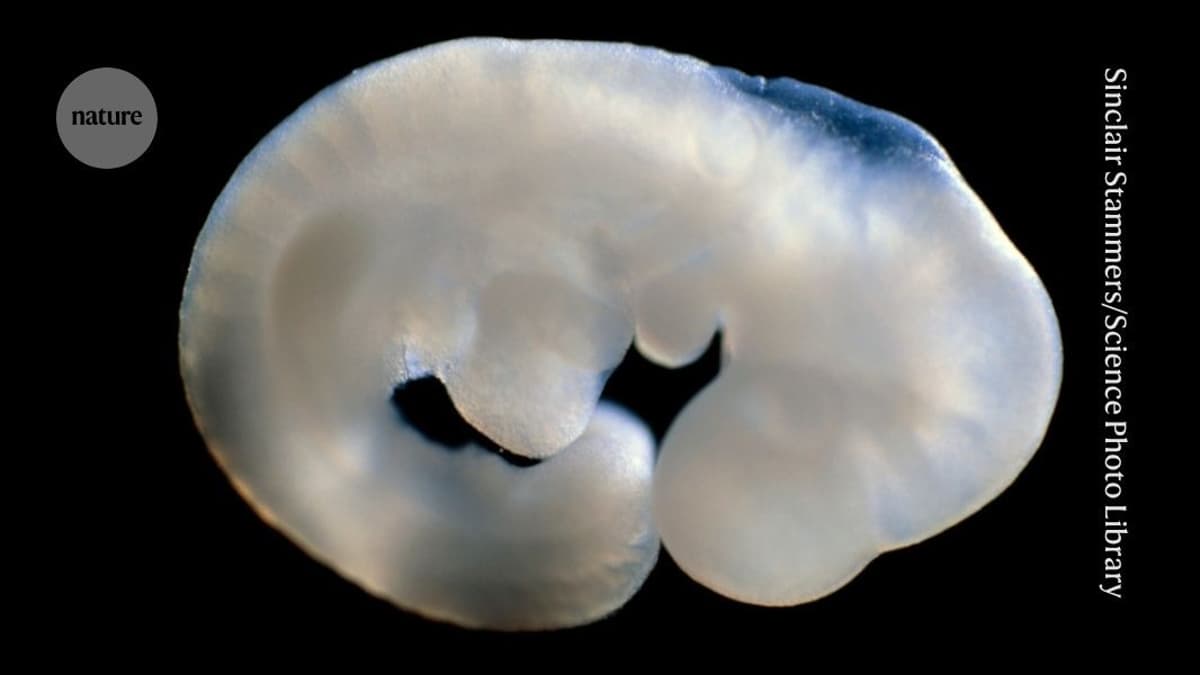
Female Mice Grow Testes After This Single DNA Tweak
Why It Matters
The discovery demonstrates that subtle changes in non‑coding DNA can flip sex fate, opening new avenues for diagnosing and treating human disorders of sex development that often lack a clear genetic cause.
Key Takeaways
- •Single‑letter edit of Enh13 triggers testes formation in XX mice
- •Both copies of Enh13 must be altered; heterozygous mice remain female
- •Enh13 functions as enhancer and silencer of Sox9 during sex determination
- •Findings highlight diagnostic potential of non‑coding DNA in human DSD cases
- •Prior Enh13 deletions caused XY sex reversal; now reverse shown
Pulse Analysis
Sex determination in mammals hinges on a delicate balance of genetic signals, with the transcription factor Sox9 acting as a master switch for testis development. While protein‑coding genes have long been the focus of research, recent work underscores the power of non‑coding regulatory elements, such as enhancer 13 (Enh13), to modulate Sox9 activity. By fine‑tuning the enhancer’s DNA sequence, cells can either amplify or silence Sox9, dictating whether an embryo follows a male or female developmental trajectory.
In the new study, scientists used CRISPR‑based genome editing to introduce a single‑base substitution into both copies of Enh13 in XX mouse embryos. The mutation converted Enh13 from a repressive element into a potent activator, leading to ectopic Sox9 expression and the formation of functional testes in genetically female mice. Importantly, mice with only one modified allele displayed normal ovarian development, highlighting a dosage‑dependent effect. This bidirectional manipulation—previously shown only in XY mice—provides the first definitive proof that a non‑coding enhancer can singularly dictate sex fate in both directions.
The implications extend far beyond the laboratory. Approximately half of individuals with disorders of sex development (DSDs) lack identifiable mutations in protein‑coding regions, suggesting that hidden regulatory variants may be at play. Targeted sequencing of the human Enh13 ortholog could reveal pathogenic non‑coding changes, improving diagnostic yield and informing personalized therapeutic strategies. Moreover, the findings encourage broader exploration of enhancer biology in complex traits, positioning non‑coding DNA as a frontier for precision medicine.
Female mice grow testes after this single DNA tweak
Comments
Want to join the conversation?
Loading comments...