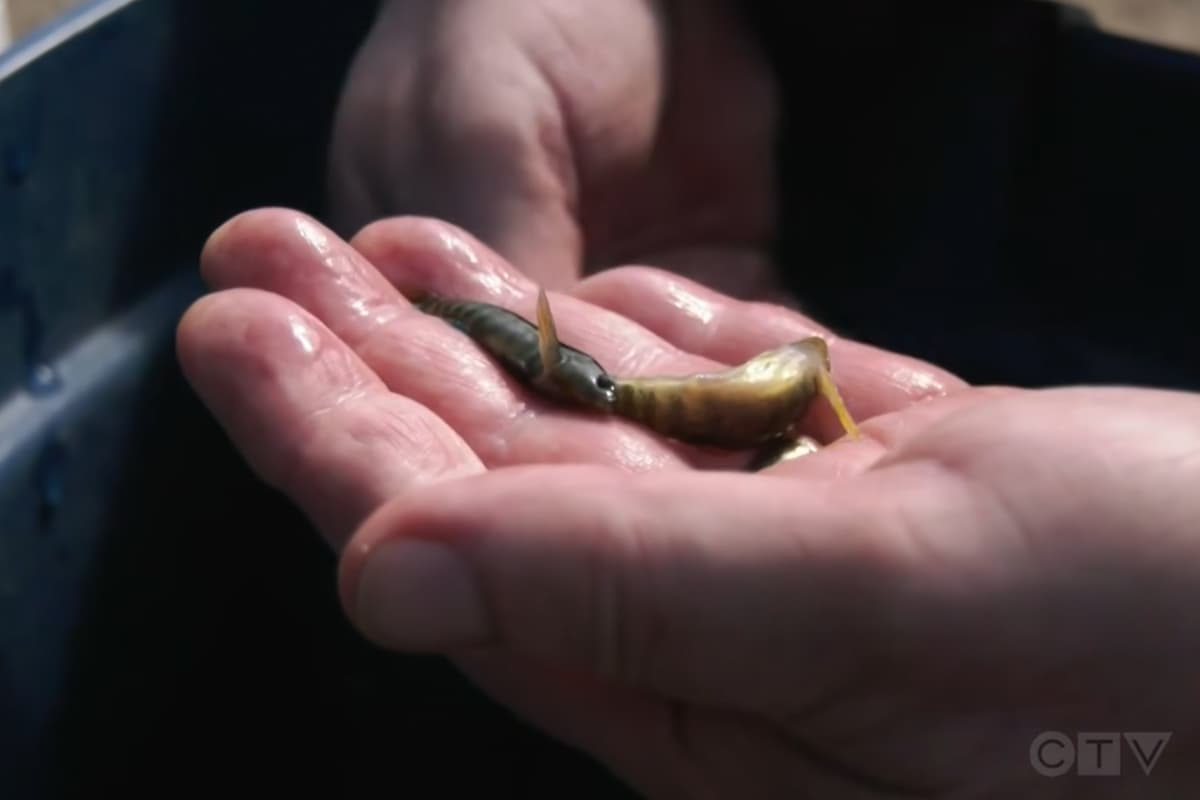
Fentanyl Detected in Wild Fish Near Wastewater Treatment Plants (Video)
Why It Matters
The detection reveals that conventional treatment plants cannot fully remove potent pharmaceuticals, posing ecological risks and potential downstream human exposure. It underscores the need for upgraded treatment technologies and regulatory attention to emerging contaminants.
Key Takeaways
- •Fentanyl detected in wild darters downstream of 30 Ontario treatment plants
- •Males accumulated higher drug concentrations than females in study
- •Even treated wastewater still releases trace opioids into rivers
- •Researchers used electrofishing and advanced extraction to quantify contaminants
Pulse Analysis
The University of Waterloo’s watershed study shines a spotlight on a hidden class of pollutants—synthetic opioids and antidepressants—that are slipping through municipal treatment plants and into aquatic ecosystems. By deploying ultrasonic‑solvent extraction paired with solid‑phase cleanup, scientists quantified nanogram‑level residues in male and female darters, a small but ecologically significant fish species. The use of electrofishing allowed for non‑selective sampling, ensuring the data reflect real‑world exposure across the Grand River watershed, which hosts more than 30 treatment facilities.
Ecologically, the presence of fentanyl and related compounds raises concerns about sub‑lethal effects on fish behavior, reproduction, and predator‑prey dynamics. Prior research links opioid exposure to altered development and reduced survival rates in aquatic organisms, suggesting that bioaccumulation could ripple through food webs. While the study reports no immediate risk to human consumers, the persistence of these chemicals downstream hints at potential exposure for communities relying on river water for recreation or drinking, especially where treatment upgrades lag.
Policy makers and water utilities now face pressure to adopt advanced treatment solutions such as activated carbon, advanced oxidation, or membrane filtration to capture trace pharmaceuticals. Continuous monitoring programs, leveraging the analytical methods demonstrated in this research, can track the efficacy of upgrades and inform risk‑based regulations. Ultimately, the findings call for a coordinated response that blends public‑health education, stricter disposal guidelines, and investment in cutting‑edge wastewater technology to safeguard both ecosystem health and public safety.
Fentanyl Detected in Wild Fish Near Wastewater Treatment Plants (Video)
Comments
Want to join the conversation?
Loading comments...