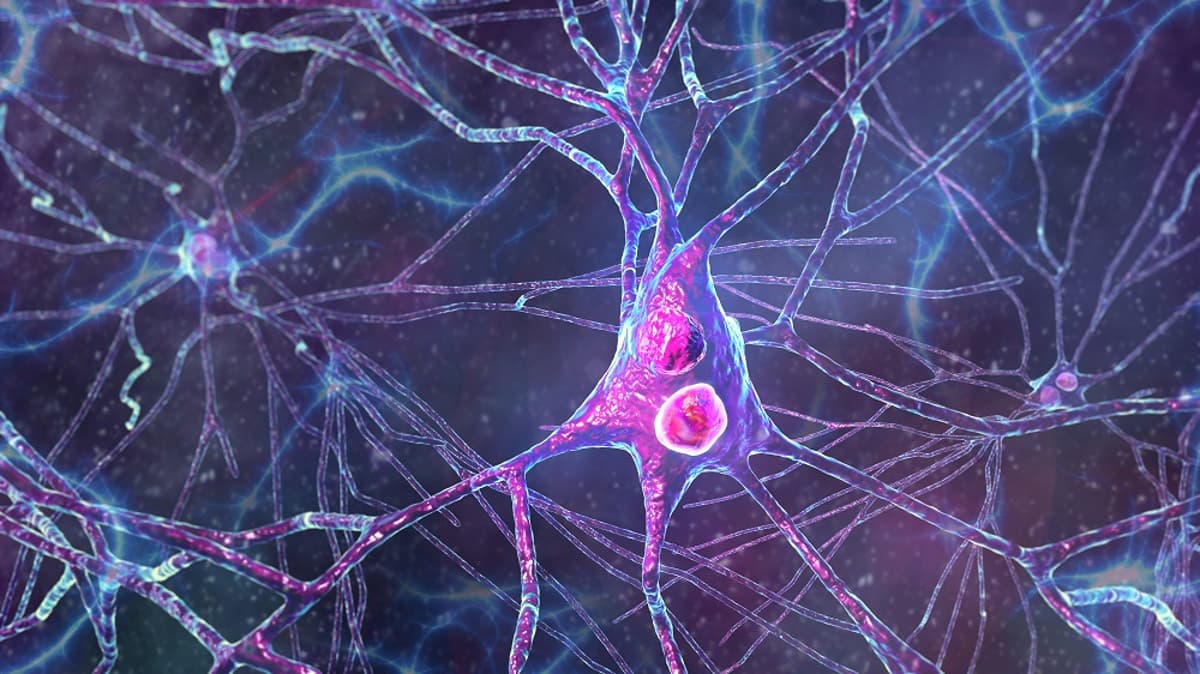
Fighting Parkinson’s by Restoring Protein Degradation
Why It Matters
Restoring proteasome function directly attacks the root cause of neurodegeneration, offering a potentially disease‑modifying approach rather than symptomatic relief. This insight opens a drug development pathway targeting protein‑degradation machinery.
Key Takeaways
- •Blm10/PA200 stabilizes proteasome activity against α‑synuclein aggregates.
- •Phosphorylated α‑synuclein (S129) impairs autophagy and proteasome function.
- •High PA200 expression reduces α‑synuclein inclusions in human neuroglioma cells.
- •Yeast model reveals indirect stabilization of Blm10 via autophagy inhibition.
- •Targeting proteasome caps offers a novel therapeutic route for Parkinson’s.
Pulse Analysis
Proteostasis—the cell’s ability to maintain a balanced protein environment—declines with age, allowing misfolded proteins like α‑synuclein to accumulate and form toxic aggregates. While the 26S proteasome normally degrades soluble α‑synuclein, phosphorylated forms at serine‑129 hinder both autophagy and proteasomal pathways, accelerating neurodegeneration. The recent study leverages a yeast model to uncover how the proteasome activator Blm10, the ortholog of human PA200, becomes stabilized when autophagy is blocked, indirectly protecting the proteasome’s gatekeeping function.
In both yeast and human neuroglioma cells, overexpressing Blm10/PA200 dramatically reduces α‑synuclein aggregates. The mechanism involves a protective cap that restores the activity of the 20S proteasome core, enabling it to degrade unfolded α‑synuclein even when the 26S pathway is compromised. Notably, the effect depends on the phosphorylation state of α‑synuclein, with phosphorylated S129 prompting a shift toward the S20 degradation route, while non‑phosphorylated variants favor S26. This nuanced interplay highlights the proteasome’s adaptability and the therapeutic promise of modulating its regulatory subunits.
The implications extend beyond Parkinson’s disease. By demonstrating that enhancing PA200‑containing proteasome caps can clear pathogenic protein aggregates, the research points to a new class of disease‑modifying agents for a range of aggregopathies, including Lewy body dementia and possibly Alzheimer’s. Future drug discovery efforts may focus on small molecules or gene‑therapy approaches that boost PA200 expression or mimic its cap‑forming activity, offering hope for interventions that address the underlying proteostatic failure rather than merely alleviating symptoms.
Fighting Parkinson’s by Restoring Protein Degradation
Comments
Want to join the conversation?
Loading comments...