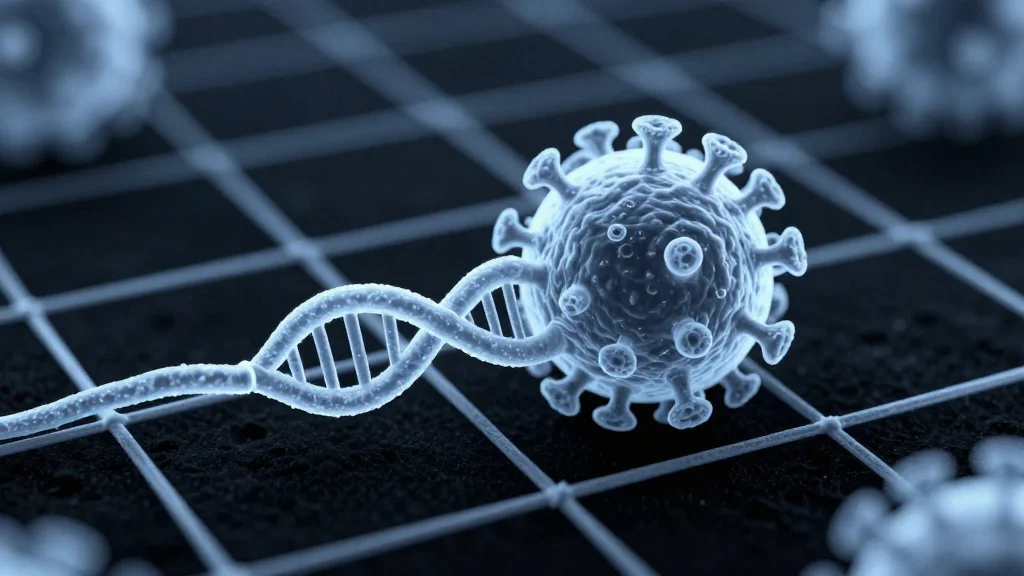
First Detailed Insight Into Bornavirus Nucleoprotein–RNA Complex Reveals Unique Assembly
Why It Matters
Understanding BoDV‑1’s nucleoprotein‑RNA architecture provides a molecular target for drugs against a rare but fatal zoonotic virus and completes structural knowledge of human‑infecting mononegaviruses.
Key Takeaways
- •First high‑resolution BoDV‑1 nucleoprotein‑RNA structure revealed
- •Each nucleoprotein subunit binds eight RNA nucleotides
- •RNA binding essential for viral RNA synthesis, not assembly
- •Ring‑like nucleoprotein assemblies differ from other mononegaviruses
- •Study enables antiviral design targeting nucleoprotein‑RNA interaction
Pulse Analysis
The new BoDV‑1 nucleoprotein‑RNA structure fills the last major void in the structural catalog of human‑infecting mononegaviruses. Cryo‑electron microscopy captured ring‑shaped complexes, each subunit cradling eight nucleotides, a configuration not seen in related viruses such as rabies or measles. This distinct binding geometry suggests that Bornaviridae have evolved a unique strategy for genome protection and replication, prompting researchers to reassess assumptions about nucleoprotein flexibility across the order.
From a therapeutic perspective, the delineation of RNA‑binding residues offers concrete targets for small‑molecule inhibitors. Prior antiviral efforts against mononegaviruses have focused on polymerase or surface glycoproteins; the BoDV‑1 data demonstrates that disrupting nucleoprotein‑RNA contacts can cripple viral RNA synthesis while leaving the protein scaffold intact. Such a strategy could yield drugs with a higher barrier to resistance, as mutations that prevent RNA binding also impair replication, limiting viral escape pathways.
Looking ahead, the research team plans to examine complexes extracted from infected cells and to map intermediate assembly states with longer RNA segments. Comparing these structures to those of other mononegaviruses will deepen our grasp of the universal principles governing nucleoprotein‑RNA interactions. Ultimately, this knowledge base could accelerate the development of broad‑spectrum antivirals that target a conserved step in the life cycle of many negative‑sense RNA viruses.
First Detailed Insight into Bornavirus Nucleoprotein–RNA Complex Reveals Unique Assembly
Comments
Want to join the conversation?
Loading comments...