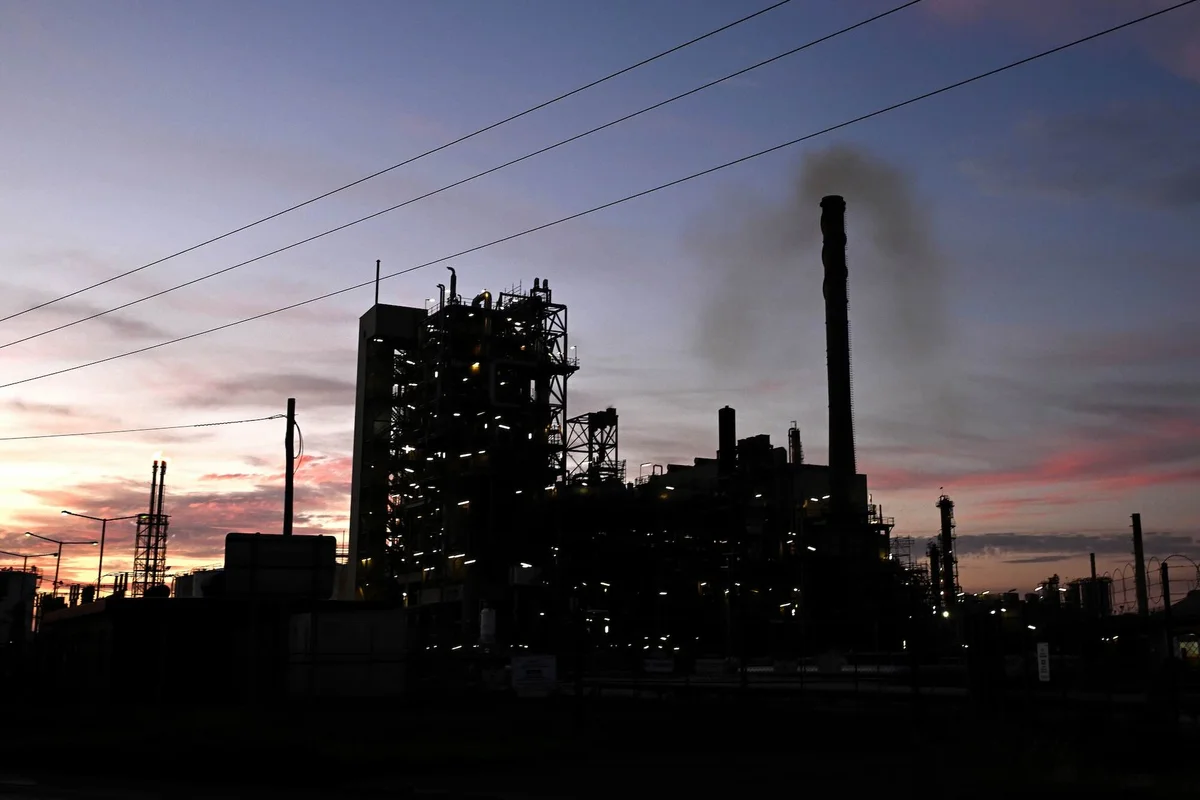
First of a Kind “Carbon Refinery” To Embed Emissions in Concrete and Other Building Materials
Companies Mentioned

Why It Matters
By turning emissions into marketable building inputs, the refinery creates a revenue stream from carbon while helping heavy‑industry sectors meet tightening climate mandates. Its success could spark a new manufacturing niche and accelerate Australia’s transition to a low‑carbon economy.
Key Takeaways
- •Facility can convert 2,500 t CO₂ into 10,000 t products annually
- •First commercial carbon refinery in Australia demonstrates carbon‑embodied materials
- •Targets hard‑to‑abate sectors like steel, cement, chemicals
- •Partnership with Austrian refractory RHI Magnesita for pilot products
- •Located beside Orica’s ammonia plant on Kooragang Island
Pulse Analysis
Carbon capture and utilization (CCU) is moving from laboratory proof‑of‑concepts to full‑scale industrial applications, driven by mounting pressure to decarbonise sectors where emissions are embedded in the product itself. While traditional carbon capture and storage (CCS) focuses on burying CO₂, CCU seeks to create economic value by converting the gas into useful commodities. This shift aligns with global climate goals and offers a tangible pathway for countries like Australia, which possess abundant fossil‑fuel‑related emissions and a strong manufacturing base, to monetize their carbon footprints.
The Myrtle refinery, operated by MCi Carbon, exemplifies this emerging model. Situated beside Orica’s ammonia plant on Kooragang Island, the facility captures up to 2,500 tonnes of CO₂ annually and blends it with mineral feedstocks to produce 10,000 tonnes of concrete, glass, paint pigments and polymer fillers. By partnering with Austrian refractory specialist RHI Magnesita for initial trials, MCi Carbon is targeting industries—steel, cement, chemicals—where CO₂ is an integral by‑product. The plant’s modular design promises scalability, allowing other heavy‑polluting factories to replicate the process and integrate carbon‑embodied materials into their supply chains.
If the demonstration proves commercially viable, the refinery could catalyse a new export‑oriented sector for the Hunter region and beyond. Australian policy, which aims for a 70 % emissions cut by 2035, is likely to reward such innovations with subsidies, tax incentives and preferential procurement. However, widespread adoption will hinge on cost competitiveness against conventional materials, regulatory clarity, and the development of standards for carbon‑embodied products. Success would not only reduce atmospheric CO₂ but also create jobs, diversify the regional economy, and position Australia as a leader in the nascent carbon‑refinery industry.
First of a kind “carbon refinery” to embed emissions in concrete and other building materials
Comments
Want to join the conversation?
Loading comments...