Why It Matters
The discovery shows that complex sleep patterns evolved long before mammals, providing a new, tractable model for probing the neural circuitry of sleep and informing both basic neuroscience and aquaculture practices.
Key Takeaways
- •Zebrafish exhibit four sleep substates, similar to human stages
- •Nighttime sleep totals ~10 hours across three distinct phases
- •Daytime naps last 5‑10 minutes but are neurologically deep
- •Study opens fish as models for sleep‑biology research
Pulse Analysis
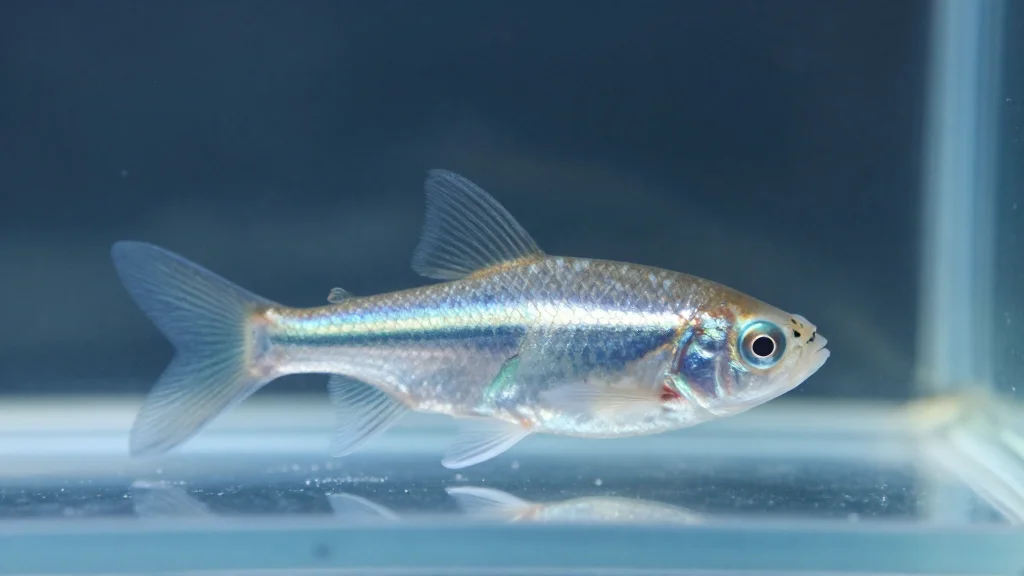
The recent Nature Communications paper leverages high‑resolution eye‑tracking to map zebrafish sleep, uncovering four substates that mirror the REM and non‑REM stages familiar to human physiology. By categorizing a deep, motionless stare, a light eye‑twitch phase, a pre‑dawn eye‑position shift, and brief daytime micro‑naps, the researchers demonstrate that sleep complexity is not exclusive to mammals. This methodological breakthrough—using non‑invasive ocular metrics—offers a scalable platform for dissecting sleep architecture across vertebrates, filling a long‑standing gap in comparative neurobiology.
From an evolutionary standpoint, the findings suggest that the neural mechanisms governing sleep stage transitions emerged early in vertebrate history. The presence of distinct substates in a species lacking eyelids implies that brain‑wide oscillatory patterns, rather than peripheral cues, drive sleep depth and consolidation. Consequently, zebrafish can now serve as a cost‑effective, genetically tractable model to explore the molecular underpinnings of sleep disorders, potentially accelerating drug discovery pipelines that have traditionally relied on rodent models.
Beyond basic science, the research carries practical implications for the aquaculture industry and animal welfare. Understanding when fish are in deep versus light sleep can inform feeding schedules, reduce stress‑induced mortality, and improve growth rates. Moreover, the ability to monitor sleep non‑invasively paves the way for real‑time health diagnostics in farmed fish populations. As the field moves forward, integrating these insights with neuroimaging and transcriptomic data will likely reshape our grasp of sleep’s role in cognition, metabolism, and disease across the animal kingdom.
Fish Sleep a Lot Like Us. (They Even Nap.)
Comments
Want to join the conversation?
Loading comments...