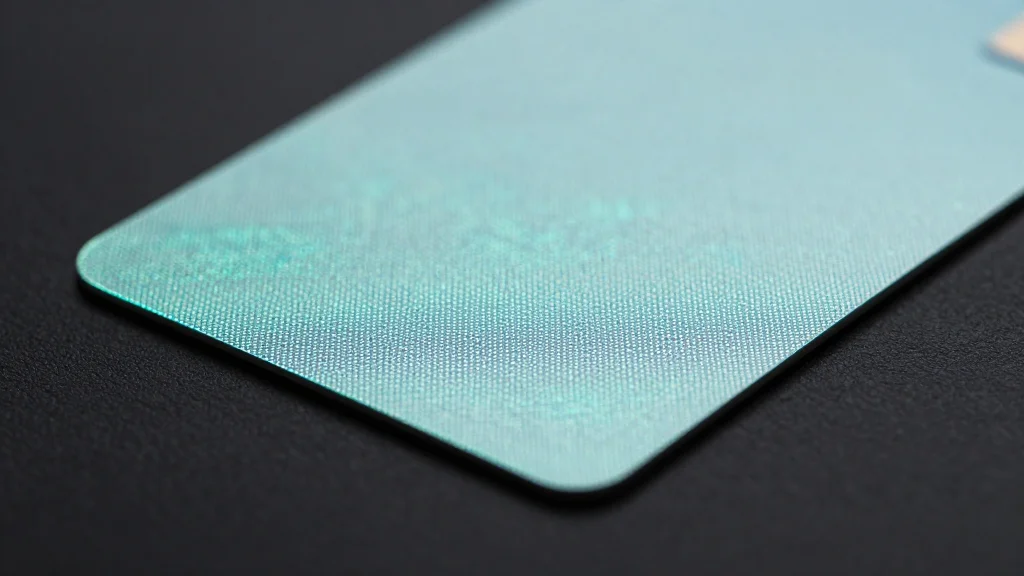
Flexible Organic-Inorganic Hybrid Synapse Advances Physical Reservoir Computing
Why It Matters
The technology offers energy‑efficient neuromorphic processors that can be integrated into flexible and bio‑compatible platforms, expanding AI capabilities in wearables, soft robotics, and edge IoT devices.
Key Takeaways
- •Hybrid synapse merges organic flexibility with inorganic charge‑trap performance
- •Enables non‑volatile, analog weight storage with fast response and high endurance
- •Demonstrated accurate temporal pattern recognition on bendable substrates
- •Fabrication compatible with large‑area, solution‑processable manufacturing
- •Opens prospects for wearable brain‑machine interfaces and low‑power edge AI
Pulse Analysis
The surge of neuromorphic computing seeks to emulate the brain’s efficiency by moving beyond conventional von Neumann architectures. Among the most promising paradigms is physical reservoir computing, where a dynamic substrate processes temporal data through its intrinsic nonlinearities, eliminating the need for extensive training of internal weights. However, translating this concept into hardware has been hampered by the lack of devices that can simultaneously offer tunable analog weights, rapid state updates, and mechanical resilience. Existing rigid CMOS‑based reservoirs consume significant power and cannot conform to emerging form factors such as wearables or soft robotics, limiting their real‑world impact.
The newly reported organic‑inorganic hybrid charge‑trap synapse directly addresses those bottlenecks. By embedding high‑k inorganic dielectrics doped with defect sites beneath an organic semiconductor channel, the device traps charges that modulate conductance in a non‑volatile, analog manner. This architecture delivers sub‑microsecond switching, endurance beyond 10⁹ cycles, and energy consumption measured in femtojoules per operation—orders of magnitude lower than traditional CMOS synapses. Crucially, the organic matrix imparts bendability and stretchability, allowing the synapse to retain its computational fidelity even when folded or stretched. The fabrication relies on solution‑processable organics combined with sputtered thin films, a workflow compatible with roll‑to‑roll manufacturing and large‑area flexible displays.
The implications for industry are immediate. Flexible reservoir processors can be embedded in smart textiles, implantable health monitors, and soft‑actuated robots, delivering on‑device inference with millisecond latency and negligible heat dissipation. Edge‑AI nodes in the Internet of Things stand to gain ultra‑low‑power, real‑time signal processing without offloading data to the cloud. While the hybrid platform shows promise, long‑term stability of the organic layer under humidity and temperature cycles remains a research priority, as does the development of error‑tolerant algorithms to manage device variability. Continued interdisciplinary work will likely accelerate commercialization, positioning flexible neuromorphic chips as a cornerstone of next‑generation intelligent electronics.
Flexible Organic-Inorganic Hybrid Synapse Advances Physical Reservoir Computing
Comments
Want to join the conversation?
Loading comments...