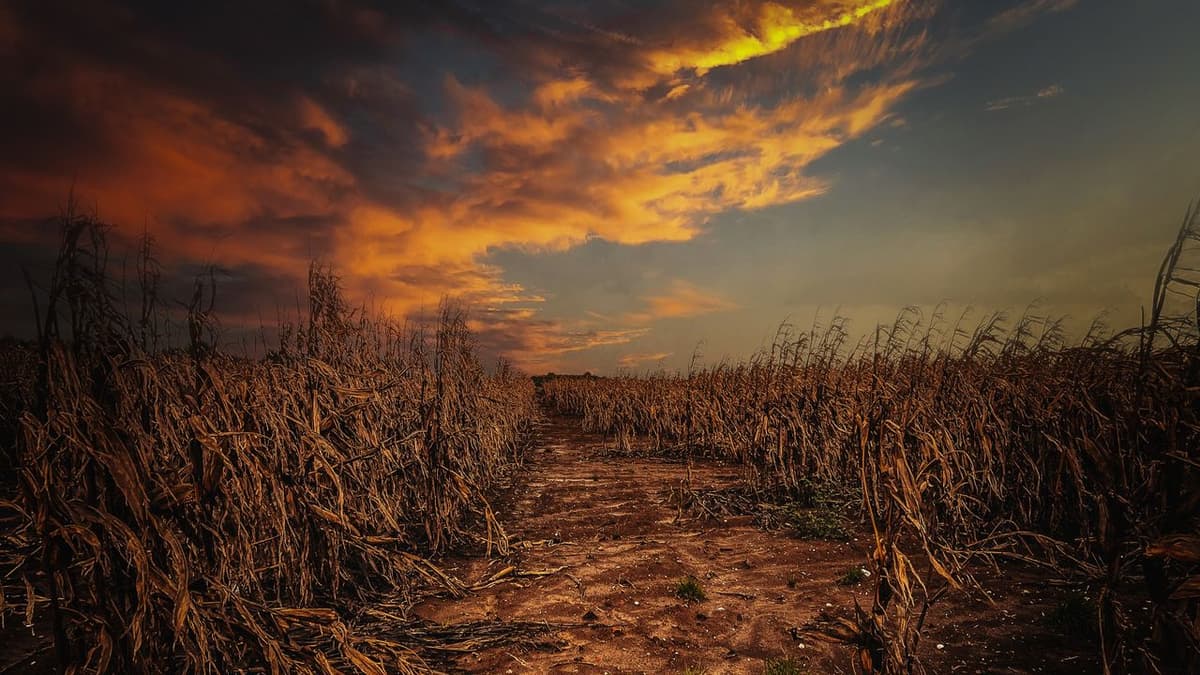
'Food Insecurity Is No Longer Just About Low-Income Countries': Environmental Economist Explains How Climate Change Is Pushing Agricultural Systems to the Brink
Why It Matters
Heat‑driven productivity losses threaten global food supplies, push up prices, and jeopardize farm profitability, making climate adaptation a critical business priority.
Key Takeaways
- •Extreme heat costs half a trillion agricultural work hours annually
- •Europe saw 1 million new food‑insecure people in 2023
- •Farmers lose 24 work hours per year per worker since 2020
- •Livestock productivity drops sharply under high temperatures
- •Proactive safety nets and climate‑resilient crops can mitigate impacts
Pulse Analysis
Extreme heat is emerging as a silent economic force, reshaping agriculture worldwide. The latest UN FAO‑WMO analysis quantifies the problem: half a trillion labor hours vanish each year as temperatures breach crop‑growth thresholds, while droughts intensify across major growing regions. This erosion of productivity is no longer confined to low‑income nations; even temperate zones like Europe are feeling the strain, underscoring a systemic vulnerability that investors and policymakers must address.
In Europe, the Lancet Countdown report highlights a stark rise in food insecurity, with an additional one million people affected in 2023 compared to the 1981‑2010 baseline. Simultaneously, agricultural laborers have seen their annual work time shrink by roughly 24 hours per worker since 2020, directly cutting earnings and farm output. These labor shocks ripple through supply chains, inflating commodity prices and squeezing margins for agribusinesses. The convergence of reduced yields, livestock stress, and diminished workforce capacity signals a looming pressure on global food markets and economic growth.
Mitigation hinges on forward‑looking policies. Proactive safety nets—cash transfers, food assistance, and insurance schemes—can shield vulnerable workers before crises hit. Parallel investment in climate‑resilient and salinity‑tolerant crop varieties, drawing on innovations from the Global South, offers a path to sustain yields under hotter, drier conditions. For businesses, aligning capital with these adaptation strategies not only safeguards supply continuity but also opens new growth avenues in resilient agriculture technologies.
'Food insecurity is no longer just about low-income countries': Environmental economist explains how climate change is pushing agricultural systems to the brink
Comments
Want to join the conversation?
Loading comments...