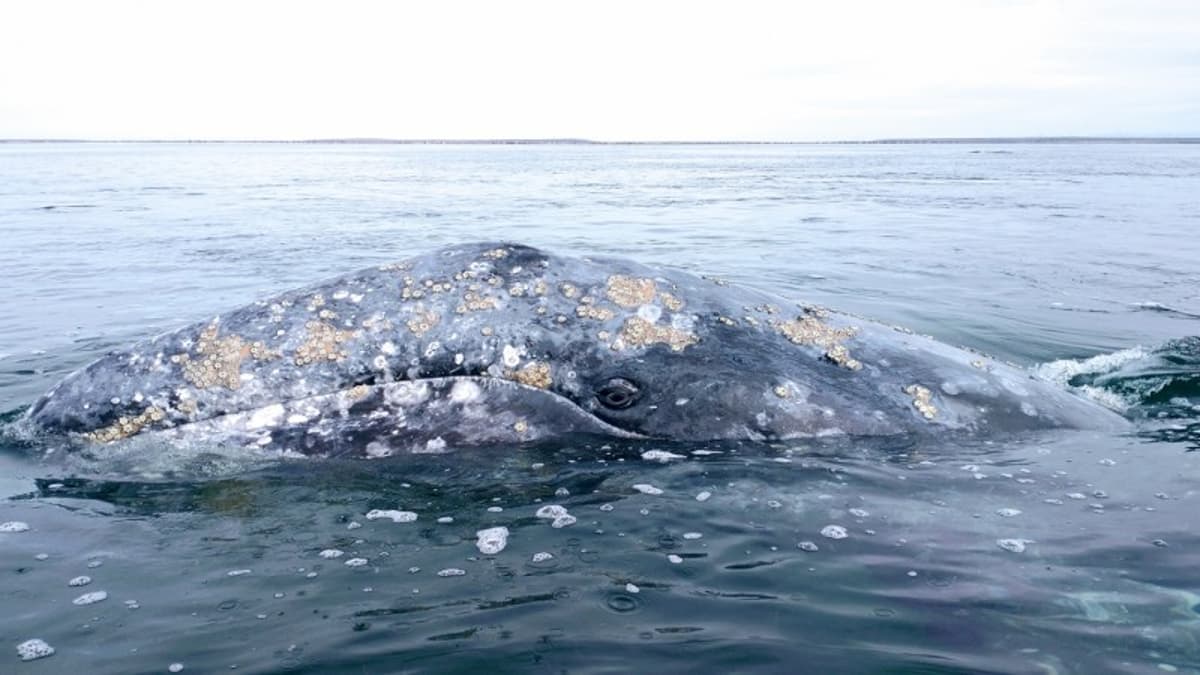
For Gray Whales, San Francisco Bay Is Becoming a Deadly Pit Stop
Why It Matters
The high death rate highlights a new, human‑induced threat to an already vulnerable species, emphasizing urgent conservation and maritime policy interventions.
Key Takeaways
- •18% of gray whales entering San Francisco Bay die there
- •Vessel strikes cause half of documented whale deaths in the bay
- •Whales are detouring to the bay due to Arctic food scarcity
- •New feeding hotspots appear from Florida to Hawaii
- •Protecting bay waters could reduce mortality and aid climate resilience
Pulse Analysis
Gray whales (Eschrichtius robustus) traditionally travel a 16,000‑kilometer corridor from Arctic feeding grounds to the breeding lagoons of Baja California without stopping. A new analysis published in Frontiers in Marine Science reveals a disturbing deviation: between 2018 and 2025, 114 individually identified whales entered San Francisco Bay, and 21 of them—about 18 percent—were later found dead. Researchers examined roughly 70 carcasses in the region, attributing half of the confirmed deaths to vessel strikes. The study suggests the bay has become a lethal pit stop for a species already pressured by declining Arctic prey.
The surge in bay visits aligns with a broader pattern of gray whales seeking food outside their historic range, a behavior first noted during the late‑1990s and now re‑emerging as Arctic ecosystems warm and plankton abundance shifts. Sightings off Florida, New England and even Hawaii indicate a species‑wide search for alternative foraging grounds. While this flexibility could theoretically buffer populations against climate‑driven habitat loss, the immediate risk in congested coastal waters is high. Boat traffic, reduced visibility, and shallow channels increase the likelihood of fatal collisions, compounding the stress of nutritional scarcity.
Mitigating the mortality spike will require coordinated management actions. Speed‑limit zones, real‑time whale detection systems, and public awareness campaigns can reduce vessel‑strike incidents in the bay. Moreover, protecting critical feeding habitats elsewhere—through sustainable fisheries and climate‑resilient marine protected areas—could lessen the need for desperate detours. As gray whales adapt to a warming ocean, policymakers must balance short‑term safety measures with long‑term ecosystem restoration to ensure the species’ recovery. The San Francisco Bay case underscores how human activity and climate change intersect to reshape marine migration pathways.
For gray whales, San Francisco Bay is becoming a deadly pit stop
Comments
Want to join the conversation?
Loading comments...