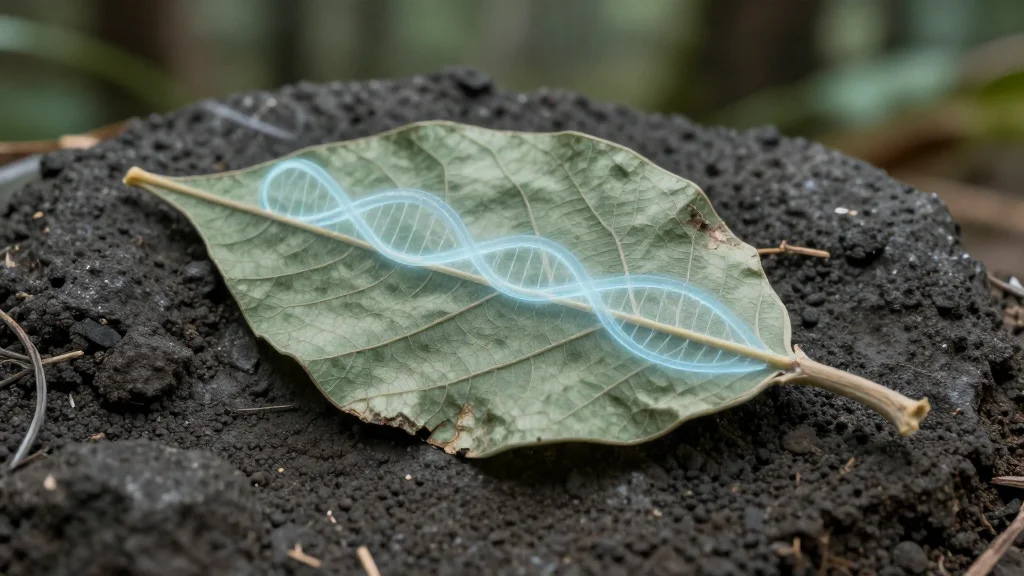
Fossils and DNA Reveal Jurassic Origin of Angiosperms
Why It Matters
Re‑dating angiosperm origins reshapes evolutionary models and informs how plant‑pollinator ecosystems developed, impacting agriculture, conservation, and climate‑change research.
Key Takeaways
- •Jurassic fossils show enclosed ovules, a key angiosperm trait.
- •Molecular clocks calibrated with fossils narrow origin estimate to ~150 Mya.
- •Study reconciles previous fossil‑molecular timing conflicts.
- •Early angiosperm diversification may have coincided with Jurassic climate shifts.
- •Integrated methodology offers a template for dating other ancient clades.
Pulse Analysis
The latest Jurassic origin hypothesis for flowering plants emerges from a rigorous synthesis of paleobotanical specimens and genome‑scale data. By anchoring molecular clocks to well‑dated macrofossils and pollen grains, the authors applied a Bayesian relaxed‑clock model that accommodates rate variation across lineages. This approach trims the confidence interval around the divergence estimate, moving the earliest angiosperm split from the previously accepted 130 million‑year mark to roughly 150 million years ago. Such precision not only resolves a decades‑long debate but also demonstrates how cross‑disciplinary calibration can overcome the fragmentary nature of deep‑time fossil records.
An earlier emergence reshapes our understanding of plant‑insect co‑evolution and the assembly of terrestrial ecosystems. The Jurassic period experienced heightened volcanic activity, rising atmospheric oxygen, and fluctuating carbon dioxide levels—conditions that likely opened niche spaces for novel reproductive strategies. Early angiosperms, equipped with enclosed ovules and specialized pollen, could exploit these niches, setting the stage for the explosive Cretaceous radiation that underpins modern agriculture and biodiversity. Recognizing this protracted buildup informs models of trait evolution, such as flower morphology and pollinator attraction mechanisms.
The study’s integrative framework offers a blueprint for tackling other chronologically ambiguous clades, from early gymnosperms to ancient animal lineages. By pairing fossil minimum ages with expansive genomic datasets, researchers can generate more reliable timetrees even when the fossil record is sparse. Practically, the refined timeline guides paleontologists toward specific Jurassic strata likely to yield transitional fossils, accelerating discovery. For conservationists, a deeper grasp of angiosperm resilience across past climate upheavals provides clues for safeguarding plant diversity amid today’s accelerating environmental change.
Fossils and DNA Reveal Jurassic Origin of Angiosperms
Comments
Want to join the conversation?
Loading comments...