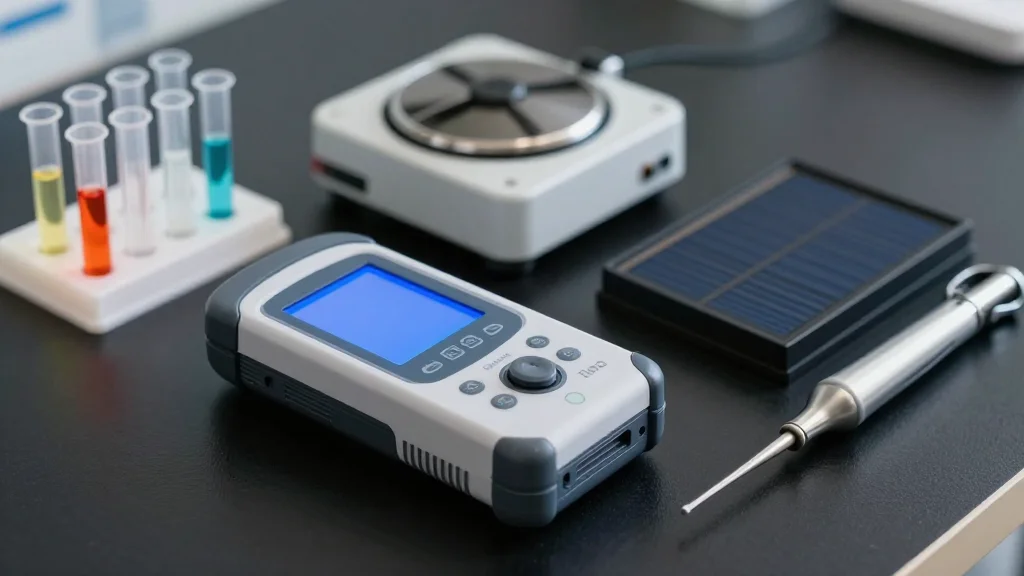
Freeze-Dried Reagents and Hand-Powered Hardware Bring Biomanufacturing to Remote Labs
Why It Matters
Local production of reagents empowers laboratories in low‑resource settings to maintain research continuity and respond swiftly to health emergencies, strengthening global scientific resilience.
Key Takeaways
- •Freeze‑dried cell‑free reagents ship without refrigeration, rehydrate with water
- •Hand‑powered 3D‑printed centrifuge enables protein purification in field settings
- •Platform produced SARS‑CoV‑2 vaccine candidate and diagnostic tools on remote sites
- •Performance matched commercial reagents across Canada, Brazil, Chile, India
- •Decentralized biomanufacturing reduces supply‑chain vulnerability for low‑income labs
Pulse Analysis
Supply‑chain disruptions have long plagued life‑science research, especially in low‑ and middle‑income countries where cold‑chain logistics are costly and unreliable. By lyophilizing the molecular machinery required for protein synthesis, the Toronto team sidesteps refrigeration altogether, allowing reagents to be mailed globally and stored at ambient temperature. This freeze‑dry approach not only cuts shipping expenses but also mitigates the risk of reagent degradation, a critical advantage for field studies and rapid response to emerging pathogens.
The hardware side of the platform is equally transformative. A 3D‑printed, hand‑cranked centrifuge provides the necessary centrifugal force for protein purification without electricity, making it ideal for remote or off‑grid locations. Field trials in the Algonquin Highlands, the Yukon, and laboratories across Brazil, Chile, Colombia, and India demonstrated that the system can reliably generate growth factors, vaccine antigens, and diagnostic proteins. In head‑to‑head comparisons, the on‑site products performed on par with commercially sourced equivalents, confirming that low‑cost, portable equipment does not sacrifice quality.
Beyond the technical achievements, the broader impact lies in democratizing biomanufacturing. By enabling labs to produce essential reagents locally, researchers can accelerate discovery, reduce project downtime caused by delayed shipments, and tailor solutions to region‑specific health challenges. This shift toward decentralized production could spur new business models around reagent kits and portable hardware, while also fostering greater research equity worldwide. As more institutions adopt cell‑free, freeze‑dry technologies, the global biotech ecosystem becomes more resilient, inclusive, and capable of rapid innovation.
Freeze-dried reagents and hand-powered hardware bring biomanufacturing to remote labs
Comments
Want to join the conversation?
Loading comments...