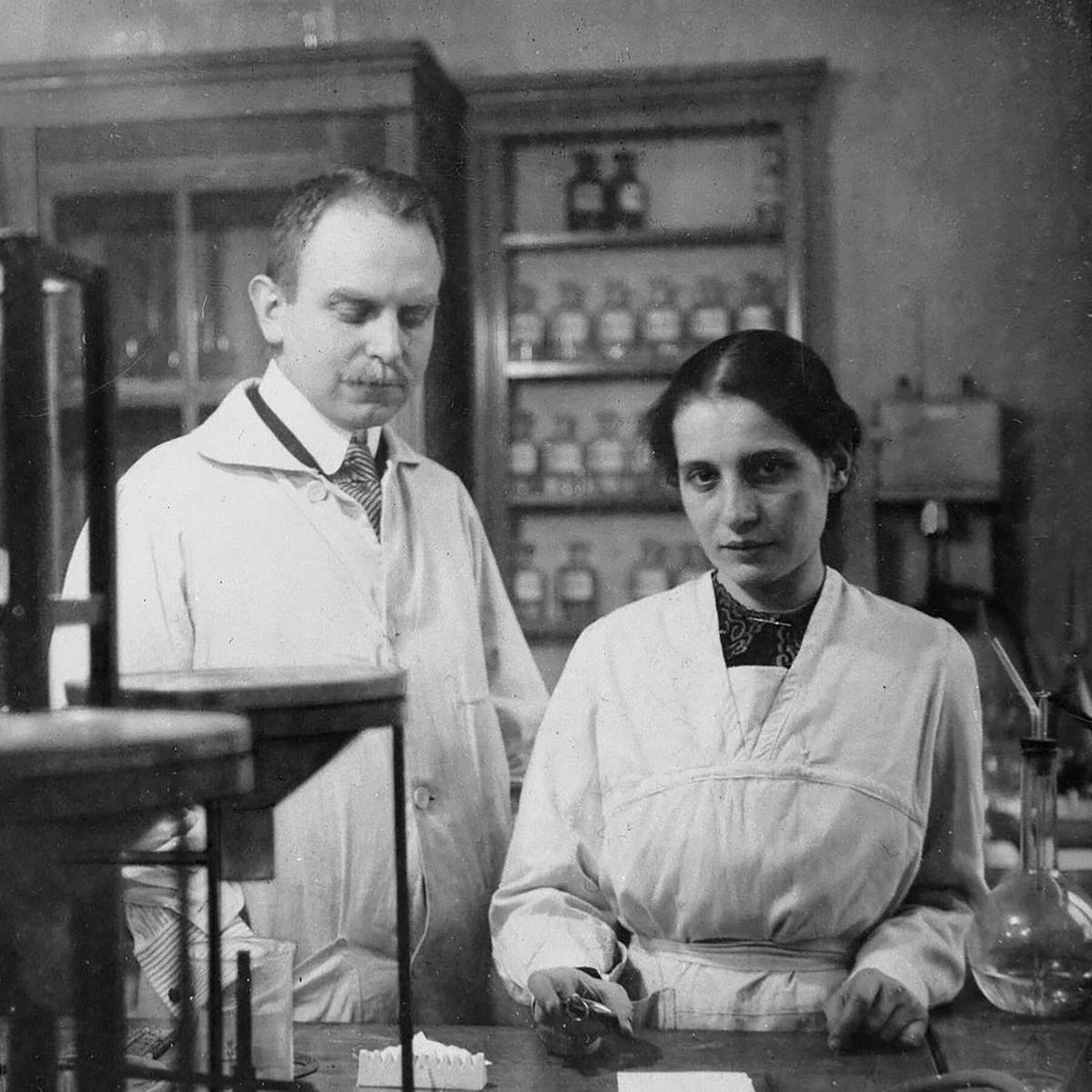
From 1968: Lise Meitner, Physicist, Is Dead at 89; Paved Way for Splitting of Atom
•March 10, 2026
0
Why It Matters
Meitner’s work underpins today’s nuclear energy and weapons landscape, while her story spotlights the historic contributions of women in science.
Key Takeaways
- •First calculated energy from uranium fission.
- •Co-discovered nuclear fission with Otto Hahn.
- •Forced to flee Nazi Germany, continued research abroad.
- •Pioneered women’s role in nuclear physics.
- •Legacy influences modern nuclear energy and security.
Pulse Analysis
Lise Meitner’s calculations of the energy released by uranium fission transformed theoretical physics into a practical reality, directly informing the development of the atomic bomb and the civilian nuclear power industry. By interpreting Hahn’s experimental data, she provided the quantitative framework that revealed how a single atom could unleash colossal power, a breakthrough that reshaped global security and energy policy in the mid‑20th century.
Beyond her scientific achievements, Meitner’s career illustrates the profound challenges faced by women and refugees in hostile regimes. Forced to abandon her laboratory in Berlin due to Nazi persecution, she continued her research in Sweden, demonstrating resilience that inspired subsequent generations of female scientists. Her inclusion in Women’s History Month underscores the ongoing need to recognize overlooked contributors who broke gender barriers in traditionally male‑dominated fields.
Today, Meitner’s legacy endures in nuclear research, medical isotopes, and discussions about non‑proliferation. Modern physicists build on her theoretical insights to improve reactor safety and explore fusion energy, while policymakers reference her story when debating the ethical dimensions of nuclear technology. Acknowledging her contributions not only enriches the historical record but also reinforces the importance of diverse perspectives in driving scientific innovation.
From 1968: Lise Meitner, Physicist, Is Dead at 89; Paved Way for Splitting of Atom
0
Comments
Want to join the conversation?
Loading comments...