From Motion to Memory: Researchers Create Soft Machines that Amplify Movement and Remember Touch
Why It Matters
The breakthrough provides energy‑efficient, high‑force actuation for soft robots while enabling hardware‑level mechanical memory, opening pathways for autonomous, power‑constrained devices.
Key Takeaways
- •Elasto‑magnetic instability yields up to 700‑fold motion amplification
- •Impact energy increased 50× versus non‑coupled soft actuators
- •Concave waveforms improve efficiency 64.4× over sine waves
- •System stores volatile and non‑volatile mechanical memory without electronics
- •3×3 mechanical memory array demonstrates programmable actuation
Pulse Analysis
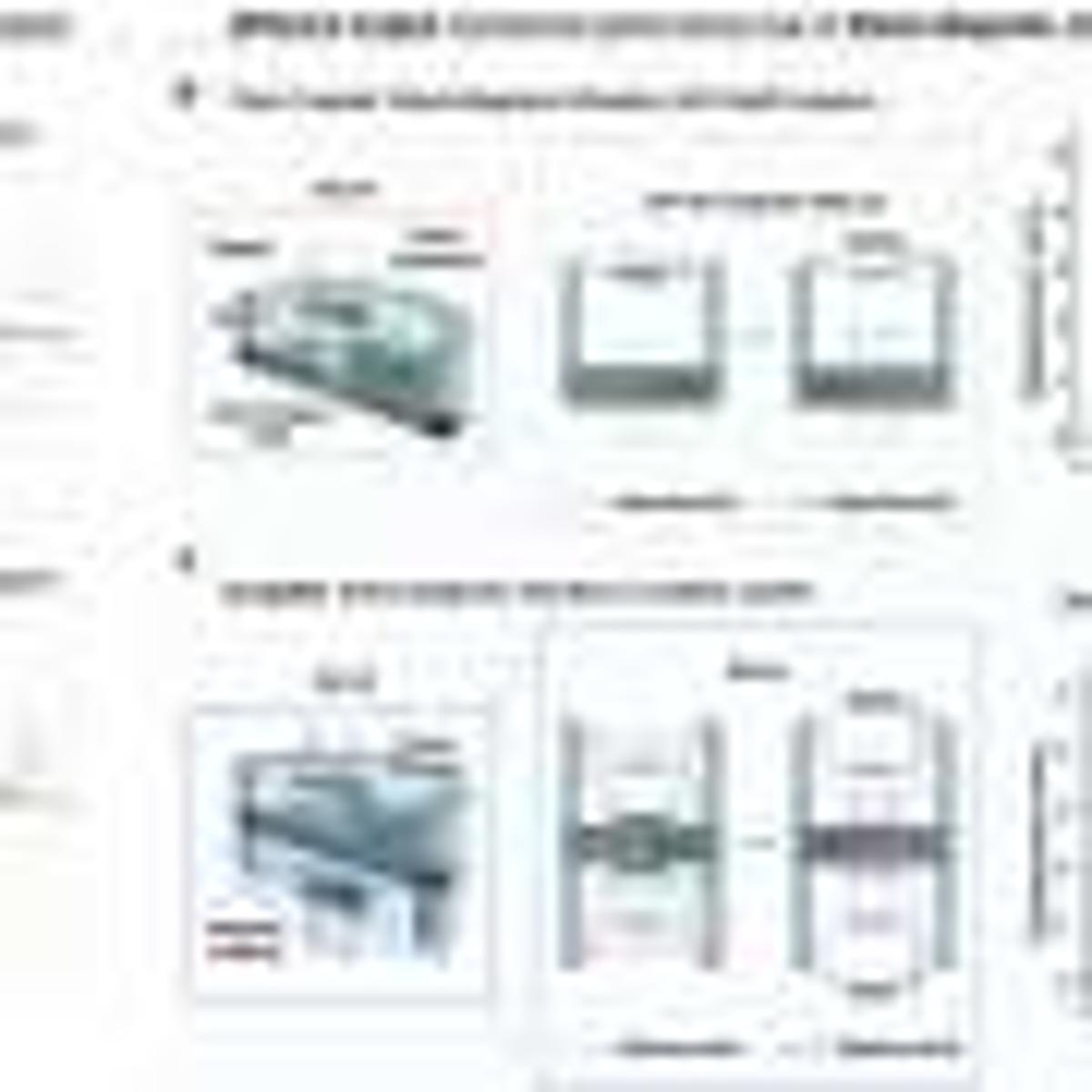
Soft robotics has long struggled with the trade‑off between compliance and force output. Traditional pneumatic or dielectric actuators deliver modest displacement and require bulky power supplies, limiting their use in wearable devices or autonomous systems. Researchers at Seoul National University turned to nature’s own solutions—Venus flytraps and pistol shrimp—that store elastic energy and release it suddenly via mechanical instability. By coupling permanent magnets with stretched elastic membranes, they created a Coupled Elasto‑Magnetic Vibration (C‑EsMV) platform that deliberately exploits elasto‑magnetic instability to turn a tiny electrical pulse into a large, rapid motion.
The C‑EsMV device operates in a bistable regime where magnetic attraction and elastic tension balance until a threshold is crossed. A modest current through an electromagnet triggers a snap‑through event, converting stored elastic energy into kinetic energy with an amplification factor of up to 700‑fold. Experimental tests showed a hammer‑like indenter delivering 50 times more impact energy than an equivalent non‑coupled actuator, even shattering thin glass. Moreover, shaping the input waveform into a pseudo‑Gaussian profile cut the required energy by a factor of 64.4 compared with a sine wave, highlighting the system’s exceptional energy efficiency.
Beyond raw force, the platform encodes mechanical memory: a brief magnetic or tactile stimulus flips the actuator into a high‑vibration state that persists without continuous power, offering both volatile and non‑volatile storage modes. A 3 × 3 array demonstrated spatially resolved memory cells, suggesting a route toward mechanical transistors or spike‑based processors that operate without semiconductor chips. For industries such as soft‑wearable haptics, autonomous underwater exploration, and space‑constrained robotics, this technology promises high‑force actuation with minimal power budgets. Continued scaling and integration could reshape how engineers design adaptive, low‑energy machines that remember their interactions.
From motion to memory: Researchers create soft machines that amplify movement and remember touch
Comments
Want to join the conversation?
Loading comments...