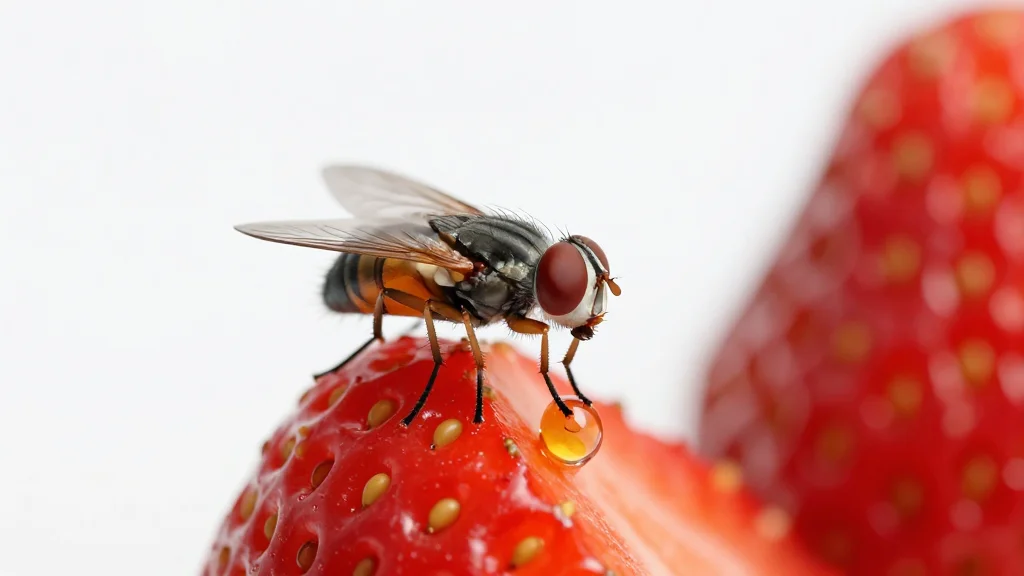
Fruit Fly Study Links Dopamine to Stress-Induced Sexual Dysfunction
Why It Matters
By pinpointing dopamine’s role in sustaining stress‑induced sexual suppression, the study opens new avenues for treating stress‑related sexual dysfunction in humans. It also validates fruit flies as a rapid‑turnaround model for neurobehavioral research.
Key Takeaways
- •Dopamine controls duration of stress‑induced courtship suppression in male flies
- •30‑minute confinement triggers lasting suppression; 10‑minute does not
- •Mushroom body dopamine receptors mediate persistence of stress response
- •Findings suggest dopamine’s role in human stress‑related sexual dysfunction
- •Fruit fly model links stress duration to behavioral recovery timeline
Pulse Analysis
Stress is a well‑documented driver of sexual dysfunction, yet the molecular circuitry linking the two remains murky. Traditional mammalian studies are costly and time‑consuming, prompting researchers to turn to Drosophila, whose neural pathways share core features with higher vertebrates. By exposing male flies to confined spaces, the Tokyo team recreated a quantifiable stressor that reliably dampens courtship, mirroring how chronic stress can blunt libido in humans. This model provides a scalable platform to dissect the neurochemical cascades that underlie stress‑induced behavioral changes.
The investigators discovered that dopamine does not initiate courtship suppression but crucially determines its longevity. Flies with genetically or pharmacologically reduced dopamine showed normal onset of suppression but recovered much faster than controls. The persistence effect maps to dopamine receptors within the mushroom body, a hub for sensory integration and memory formation. Notably, the duration of confinement—30 minutes versus 10 minutes—produced a binary outcome, with longer exposures leading to suppression that lasted days. This dose‑response relationship underscores how stress intensity can rewire neural circuits over extended periods.
Translating these findings to human health, the study suggests that targeting dopamine signaling could mitigate the lingering sexual side effects of chronic stress or PTSD. Existing drugs that modulate dopamine pathways, such as certain antidepressants or atypical antipsychotics, might be repurposed to shorten the recovery window after stress exposure. Moreover, the fruit‑fly paradigm enables rapid screening of candidate compounds before moving to rodent models, accelerating therapeutic development. As the field seeks precision interventions for stress‑related sexual dysfunction, dopamine’s role as a temporal regulator emerges as a promising focal point for future research.
Fruit fly study links dopamine to stress-induced sexual dysfunction
Comments
Want to join the conversation?
Loading comments...