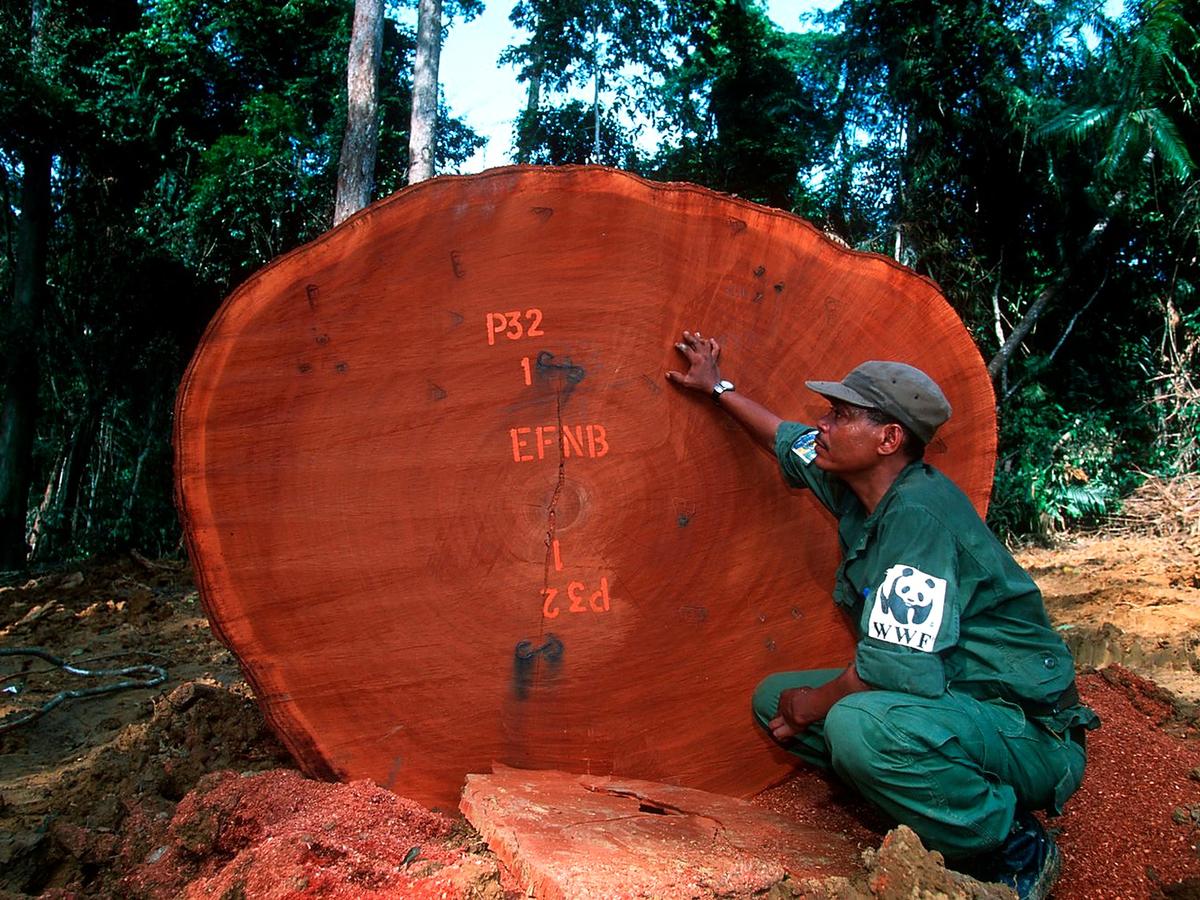
FSC and PEFC Alone Cannot Halt Global Forest Loss — Lindenmayer
Why It Matters
The findings challenge the assumption that voluntary certification can curb deforestation, signaling that policymakers and industry must look beyond market labels to address the primary driver—timber extraction—if global climate and biodiversity goals are to be met.
Key Takeaways
- •Global forest canopy loss stayed 21‑32 million ha annually (2013‑2023).
- •FSC and PEFC certification covered ~10% of forests, no measurable loss reduction.
- •Industrial roundwood and fuelwood production density were strongest drivers of loss.
- •Indigenous‑led management outperformed certification, showing lower tree‑cover loss.
Pulse Analysis
The new ANU study provides a rare, data‑driven audit of the world’s most prominent forest‑certification schemes. By coupling high‑resolution satellite imagery with a panel‑data model, the researchers demonstrated that neither FSC nor PEFC certification—despite expanding to 300 million hectares by 2023—shifted the trajectory of canopy loss. This result matters because it isolates the underlying economic engine of deforestation: rising demand for industrial roundwood and fuelwood, which grew faster than any protective measure during the same period. The analysis also confirms that wealthier nations, with higher GDP per capita, tend to lose less forest, underscoring the role of economic capacity in enforcing sustainable practices.
Why have certification programs fallen short? The study suggests that voluntary market mechanisms lack the enforcement teeth needed to curb commercial logging, especially in low‑income, high‑extraction countries such as Brazil, the Congo, and Indonesia. Certification often applies only to a fraction of timber supply chains, leaving large swaths of production outside its jurisdiction. Moreover, the data show that protected areas, when overlaid with intense wood‑extraction pressure, fail to deliver meaningful loss reductions, highlighting a mismatch between policy design and on‑the‑ground realities.
Policy implications are clear: governments and corporations must complement certification with broader strategies. Indigenous‑led forest stewardship consistently outperforms both certification and formal protection, delivering lower tree‑cover loss in key biodiversity areas. Integrating Indigenous land rights, expanding legally protected zones, and tightening the EU Deforestation Regulation’s supply‑chain requirements could collectively address the timber‑demand driver. In short, a multi‑pronged approach—combining market incentives, robust legal frameworks, and community‑based management—is essential to meet the Glasgow Leaders’ Declaration and the 30 percent forest‑cover target by 2030.
FSC and PEFC Alone Cannot Halt Global Forest Loss — Lindenmayer
Comments
Want to join the conversation?
Loading comments...