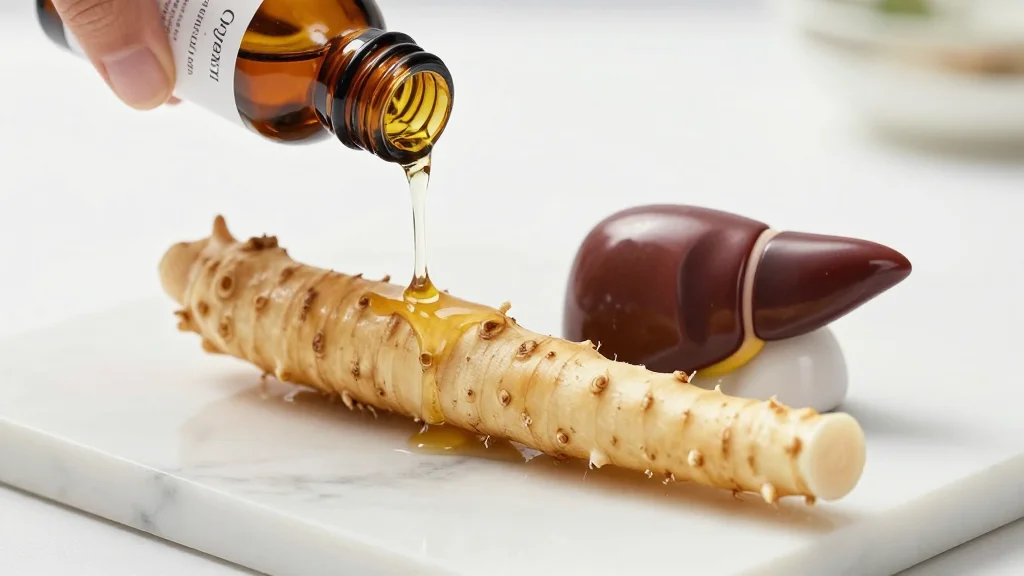
Functional Processing Enhances Hepatic Targeting: The OAT2/MRP2 Mechanism of Vinegar-Processed Cyperi Rhizoma
Companies Mentioned
Why It Matters
The findings validate a centuries‑old TCM processing claim and offer a scientific pathway to design liver‑targeted functional foods, enhancing efficacy and market differentiation.
Key Takeaways
- •Vinegar processing raises cyperotundone 1.35‑fold, eliminating cyperene.
- •VCR shows higher intracellular accumulation in HepaRG cells than raw CR.
- •Cyperotundone strongly binds OAT2, boosting hepatic uptake.
- •VCR up‑regulates OAT2 and down‑regulates MRP2 transporters.
- •Findings support liver‑targeted functional food design from traditional processing.
Pulse Analysis
Traditional processing methods have long been used to improve the therapeutic profile of botanical ingredients, yet scientific validation often lags behind folklore. Vinegar processing, a staple in Chinese herbal preparation, introduces an acidic environment that chemically remodels volatile constituents. In Cyperi Rhizoma, this transformation replaces the parent sesquiterpene cyperene with cyperotundone, a molecule that exhibits higher polarity and a stronger affinity for hepatic transport proteins. By aligning ancient processing wisdom with contemporary analytical tools—such as HS‑GC‑MS, UPLC‑QqQ‑MS, and AlphaFold‑based docking—researchers can now quantify how these chemical shifts translate into biological outcomes.
The study’s multi‑layered approach reveals that cyperotundone acts as a molecular switch for liver uptake. Docking simulations identified OAT2 as a high‑affinity target, a finding corroborated by ligand‑fishing assays that showed markedly greater binding of VCR extracts to OAT2 compared with raw material. Cellular uptake experiments in HepaRG hepatocytes demonstrated that VCR consistently delivered higher intracellular levels of key constituents, a result linked to the simultaneous up‑regulation of OAT2 and suppression of the efflux pump MRP2. Over‑expression of these transporters in HEK293 cells further confirmed that modulating OAT2/MRP2 balances can dictate hepatic exposure, providing a mechanistic explanation for the traditional claim that vinegar “guides” ingredients to the liver.
From a commercial perspective, these insights unlock new opportunities for functional‑food developers seeking liver‑focused products. By harnessing vinegar processing, manufacturers can create botanically derived ingredients with proven hepatic targeting, differentiating them in a crowded nutraceutical market. Moreover, the transporter‑centric framework offers a template for evaluating other processing techniques—such as fermentation or roasting—to optimize bioavailability. Future work should extend these findings to in‑vivo pharmacokinetic studies and explore synergistic effects among multiple transformed metabolites, paving the way for evidence‑based, liver‑specific dietary interventions.
Functional processing enhances hepatic targeting: the OAT2/MRP2 mechanism of vinegar-processed Cyperi Rhizoma
Comments
Want to join the conversation?
Loading comments...